
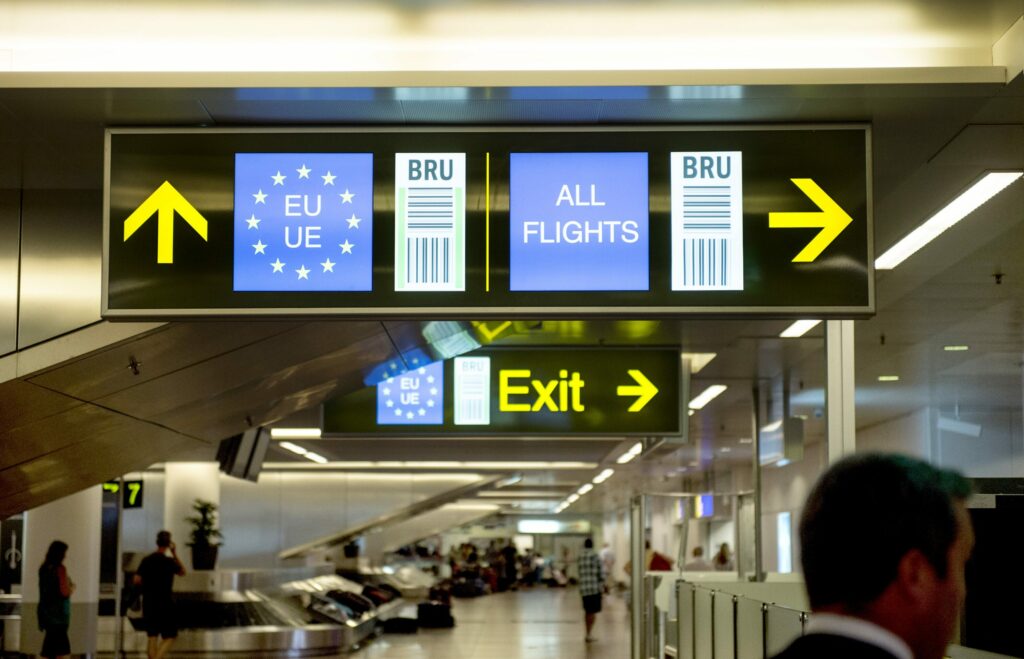
The European Union has begun implementing a new entry and exit system (EES) to enhance security and modernise external border controls.
Launched on 12 October 2025, the system is being introduced in stages at airports, land, and sea borders, allowing operators and travellers time to adjust to the updated procedures, the European Commission says.
Once it is fully operational in April 2026, the EES will replace traditional passport stamps with digital checks for non-EU citizens entering or leaving the Schengen Area for short stays.
The system will record entry and exit details, biometric data, and personal information drawn from travel documents.
Biometric details such as facial images and fingerprints will be collected, intended to help combat identity fraud and strengthen identity verification at border crossings.
Self-service border crossings planned
Data gathered by the EES will automatically identify travellers who exceed the allowed duration of their stay, the Commission said.
Border checks are expected to become faster and offer more self-service options as the system is rolled out.
Information stored in the EES will also be accessible to law enforcement agencies, who will use it to assist in preventing and investigating serious crimes and terrorism.
Related News
- Everything you need to know about the EU's upcoming Entry-Exit changes
- Belgium is now conducting 'inland entry checks' to prevent migration
- Nearly 400 asylum seekers already sent back to Belgium on German border
- Everything you need to know about the EU's biometric border checks
- Non-EU passengers face three hour queues at Brussels Airport border control
