
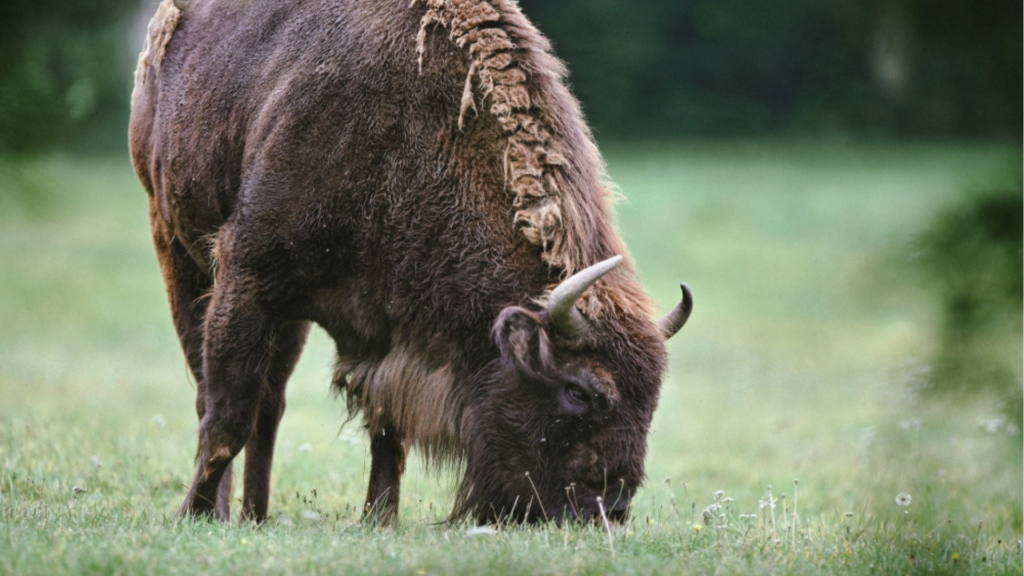
Preparations are underway in Flanders to introduce wild European bison as part of a nature project at the Bosland National Park, in the province of Limburg.
The European bison is Europe's largest living wild land mammal, with fully grown male bison often weighing around 850 kilograms.
The species was almost extinct on the continent decades ago, but its population has grown in recent years, to around 8,000 bison, as a result of breeding and reintroduction programmes.
Belgium is now set to contribute to the conservation of the species as it prepares to dedicate some 500 hectares of fenced-off land to wild nature, including a herd of bison, as part of a project by the Flemish Agency for Nature and Forest (ANB).
A Belgian first
While the project is still in its preparatory phase, the ANB hopes the fences will be installed as early as this year.
The fenced area aims to give "free rein” for plants and animals to develop with minimum human intervention, also offering an opportunity for ecological research programmes.
In this space, an initial group of five bison will act as natural grazers, marking the first time a large wild herbivore is brought into nature in the country to fulfil its ecological functions.
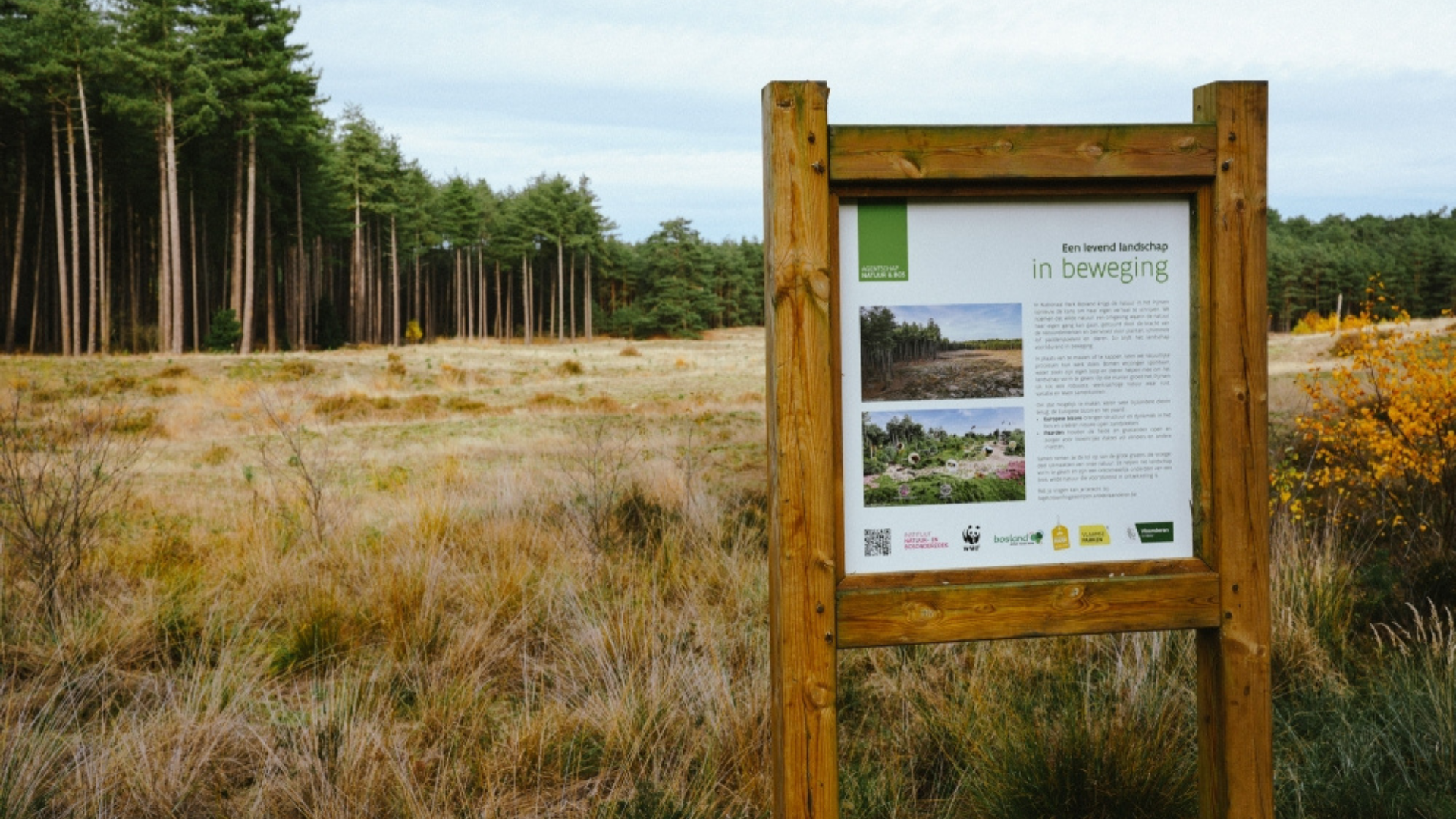
Image taken during the announcement of the project at the National Park Bosland. Credit: National Park Bosland
“There are no projects in Belgium with the introduction of wild large grazers. We have sheep, donkeys, horses, cattle, but they're all just domesticated,” said Jan Van Uytvanck, a researcher at the Institute for Nature and Forest (INBO) involved in the project.
Beyond the conservation aspect, Van Uytvanck sees the initiative as an opportunity for the “reintroduction of complex ecological functions and interactions,” while also restoring the degraded land.
“Most of the trees [in the area] were planted there to support the mining industry. But the mining industry was already finished when the trees used for it had grown old,” the researcher explained.
Bison sightings?
In the Netherlands, similar projects with the European bison have grown to allow people to walk freely through the areas inhabited by bison.
“When they're used to [people], they're quite relaxed about them. There's no aggression. The only problem could be dogs, but that's with all wild animals,” Van Uytvanck said.
But while the researcher sees a potential for Belgium to embrace a similar approach, he says it will likely take a few years before it is even considered. “People have to get used to it, but also the European bison as well [have to get] used to people,” he said.
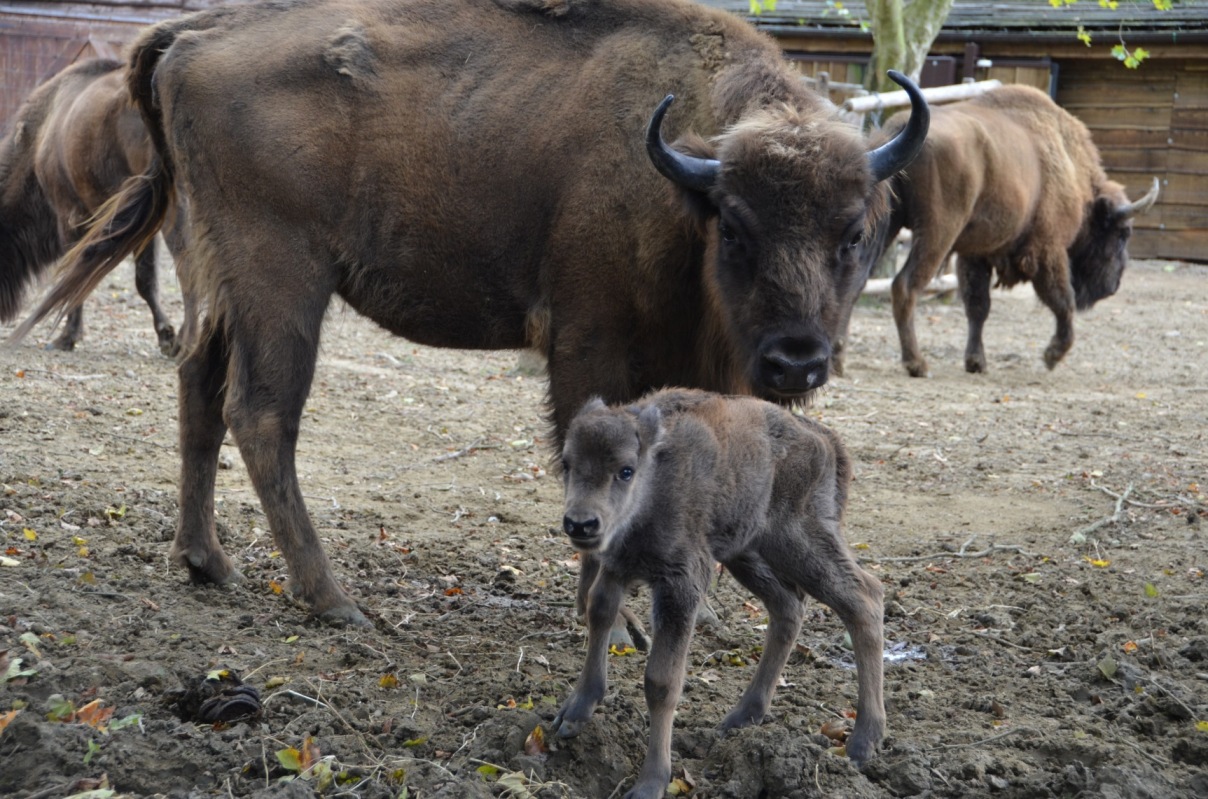
Illustrative image of European bison. Credit: Belga/Bellewaerde park
Speaking to the Brussels Times, ANB's communication officer, Rosetta Iannicelli, says the initial focus of the project will be to design the grazing area and introduce the bison, as well as 10 new horses.
As the fenced area will border a pre-existing recreational zone open to the public, Innicelli says that "with a bit of luck, it will be possible to see the European bison grazing in the open lanes" when visiting the National Park.
Nonetheless, she says there is a "long-term" idea to include an existing viewing platform within the bison's grazing land. "To reach this area of poor grasslands, the large grazers will have to cross a cycle path. One of the ideas is to build a cycle bridge, although this will first have to be worked out in detail in terms of technical and financial feasibility," she added.
In addition, guided tours with a forest ranger are being considered as a way to bring the public closer to the bison, although Iannicelli notes this would only be possible once the animals have fully adapted to the area.
European collaboration
While the plan is to first welcome five bisons to the area, this number may grow or decline according to ANB, depending on the impact of the wild animals in the area.
“We are obliged to regulate the population….animals tend to migrate to other places when there's not enough food. If they're fenced, they cannot do that,” explained Van Uytvanck, adding that bison will likely be exchanged with partners in other countries if necessary.
The project will be carried out in collaboration with the European Bison Conservation Centre, a European bison network with projects across Europe, including Poland, Germany, the Netherlands, Bulgaria, and Spain.
