
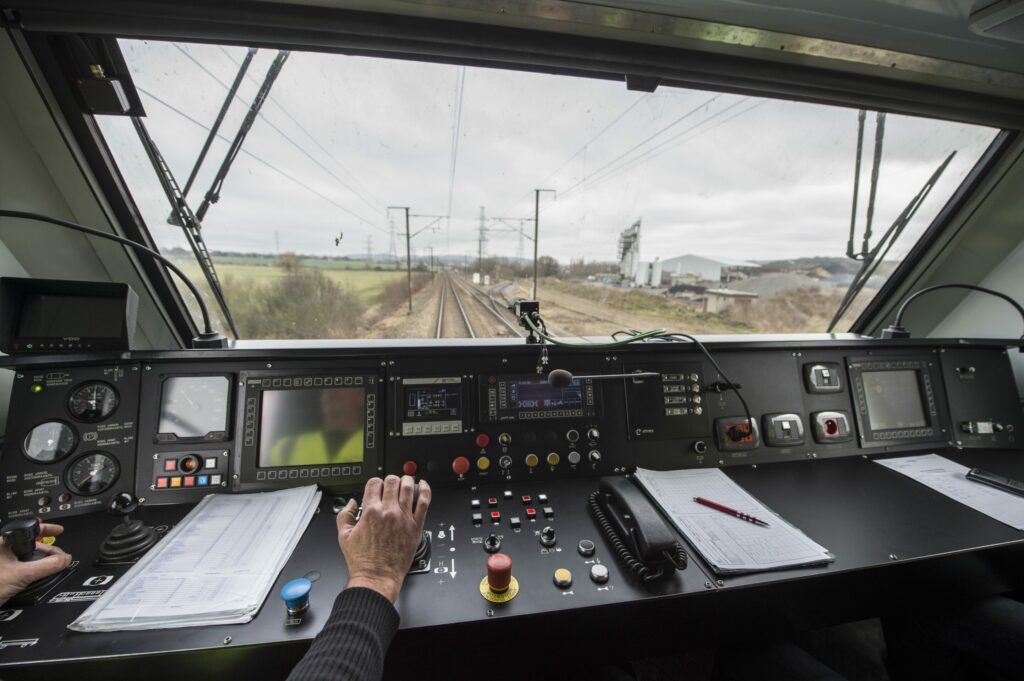
The SNCB/NMBS employee support system is under scrutiny, as unions are sounding the alarm about unsettling welfare surveys following the death of a train driver of the Belgian national railway operator in December last year.
Laurens Strubbe, 29, died by suicide at home after a late shift in December. His death comes after two fatal collisions at work earlier that year, according to Strubbe's family.
In 2024, Infrabel recorded 12 accidents per person, involving rolling stock in motion. Such collisions are putting pressure on train drivers and conductors on top of an already heavy workload and daily assaults against staff.
"All train drivers know colleagues who have had such collisions," Tony Fonteyne, General Secretary at Flemish railway union ACOD Spoor and a former train driver, told The Brussels Times.
In light of Strubbe's death, unions met with SNCB to propose revising the employee support system, ACOD Spoor told The Brussels Times. Psychological consultations by the occupational physician are currently voluntary.
"Many drivers would say that they are okay, but the impact can come weeks or even months later," said Fonteyne. "Then the employee has to take the initiative to seek help, which is not ideal."
Previous welfare surveys conducted by IDEWE, an external service for prevention and protection at work, have indicated high risks of burnout and depression among SNCB staff. According to De Standaard, Strubbe was the third employee of the Ostend-Bruges depot in four months to have died by suicide, although SNCB did not confirm this.
ACOD proposed that an occupational physician become a mandatory step in such situations. Fonteyne said employees needed enough time for proper recovery.
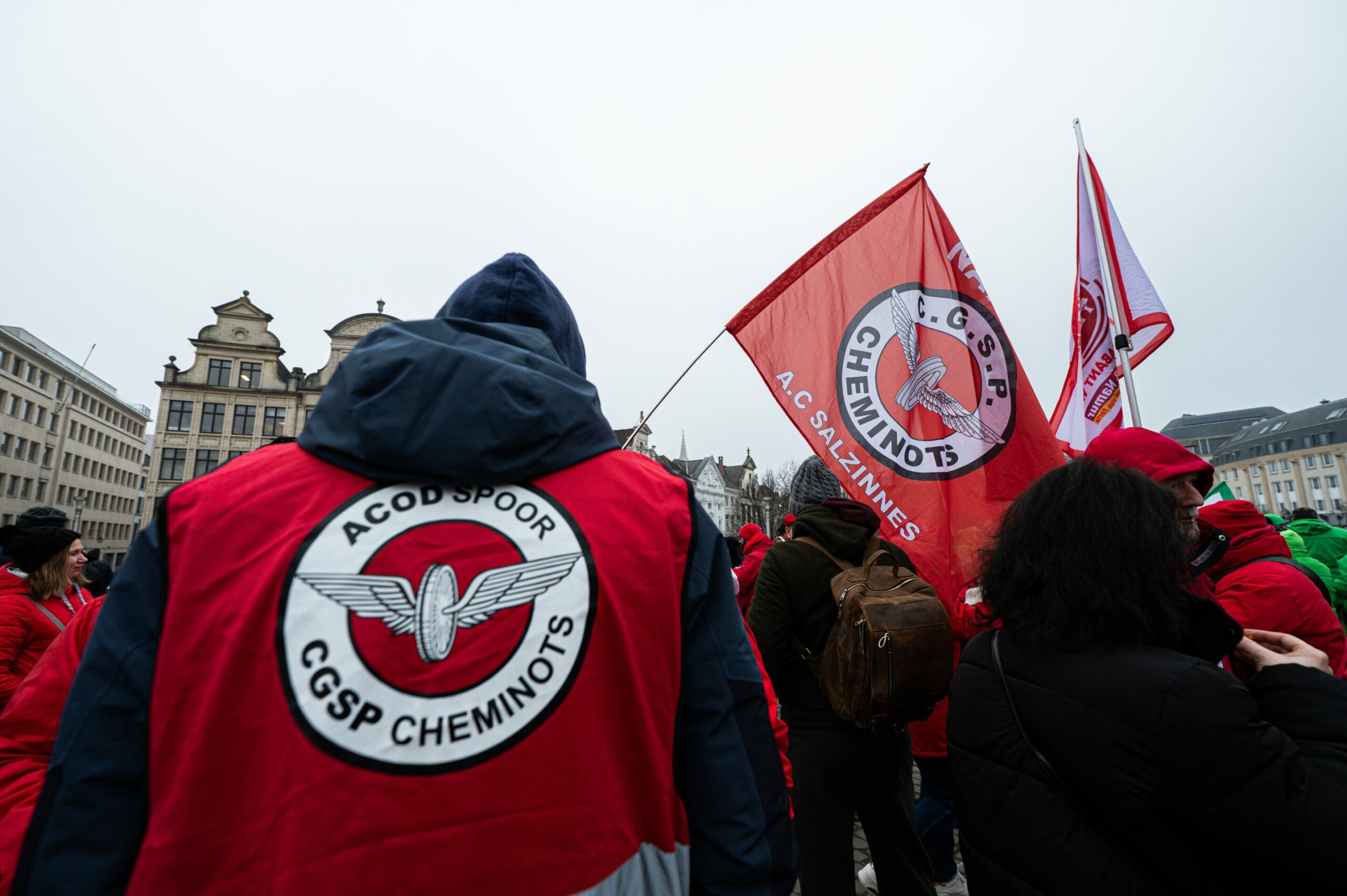
Members of the ACOD Spoor union gather at Brussel-Centraal station during the strike of the national railway company SNCB-NMBS on Monday, 26 January 2026. Credit: Belga / Emile Windal
SNCB did not comment on the meeting. SNCB stated in a press release that psychological counselling is not mandatory as each employee deals with trauma differently. "The basic principle is that help is accessible, available and strongly encouraged, without barriers or obligations that could be perceived as an additional burden," SNCB wrote.
SNCB has a network of approximately 400 employees, specifically trained to provide initial psychosocial support. When an incident happens, SNCB sends a "buddy" to promptly escort the train driver and conductors from the scene and provide first aid.
The company stated that employees "can count on professional external help at any time," and that "psychological support is structurally embedded in the welfare policy and is actively promoted".
Yet, the Strubbe family told De Standard that the support from SNCB was minimal. The pressure to return to work after a collision is high and has been increasing with the budget cuts, Fonteyne confirmed.
Related News
- A new night train line will connect Brussels to a German port city this summer
- How has the five-day rail strike impacted passengers across Belgium?
- What are your rights if your train is cancelled or delayed in Belgium?
The Federal Government has planned €100 million in railway budget cuts for 2026. SNCB will bear 60% of them, while Infrabel, a company that builds and maintains rails, will handle the remaining 40%, L'Echo reported.
"The workload of every railway worker in Belgium is increasing each year. We have the government telling the Belgian railways, Infrabel and SNCB, to add 2-3% more trains every year, but with the same or fewer number of staff. And that means that the pressure on all railway workers is very high at the moment," Fonteyne said.
