
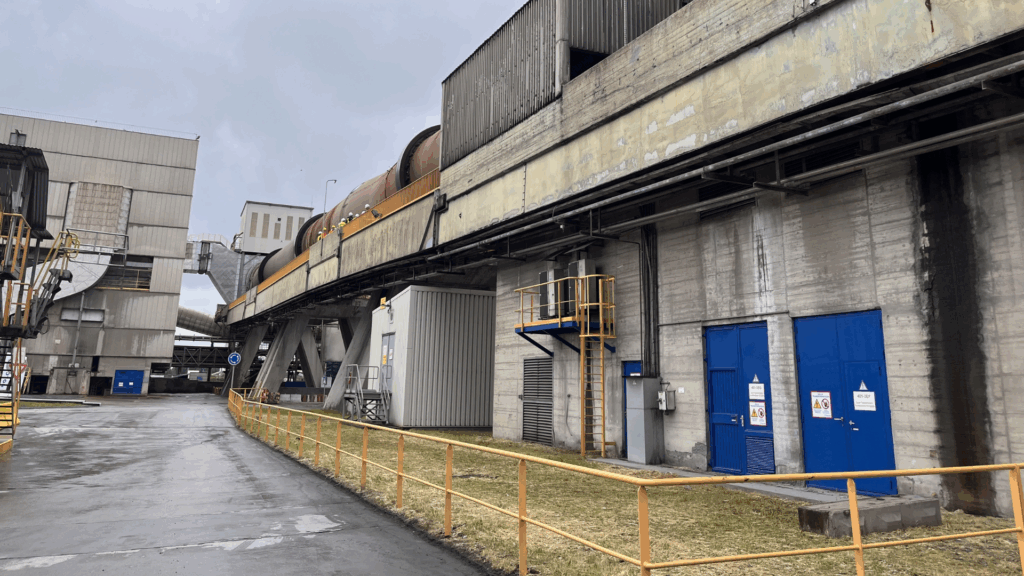
The Swiss company Holcim has paused a €250 million green transition project in Belgium that aimed to reduce carbon emissions at its cement plant in Obourg.
The project involves the installation of technology to capture, concentrate, and purify CO₂ emissions produced during clinker and cement production. Once processed, the CO₂ is transported and stored.
Originally, a final decision on the investment was expected in February. However, Vincent Michel, programme director of Go4Zero at Holcim Belgium, stated that the risks are currently too high for the company to proceed, calling a decision now “pure suicide.”
The initial timeline aimed for the Obourg site to become emission-free by 2029, but this target has been pushed back by at least two years, to late 2030 or early 2031.
Holcim’s Obourg plant is one of the largest cement factories in Europe, producing 25% of all cement used in Belgium. However, it emits around one million tonnes of CO₂ annually, making it one of the country’s biggest polluters.
The delay is tied to uncertainties surrounding Belgium’s CO₂ transport and storage infrastructure. Without clarity on this key element, Holcim cannot proceed with its plans to transform the factory into a net-zero emissions site.
