
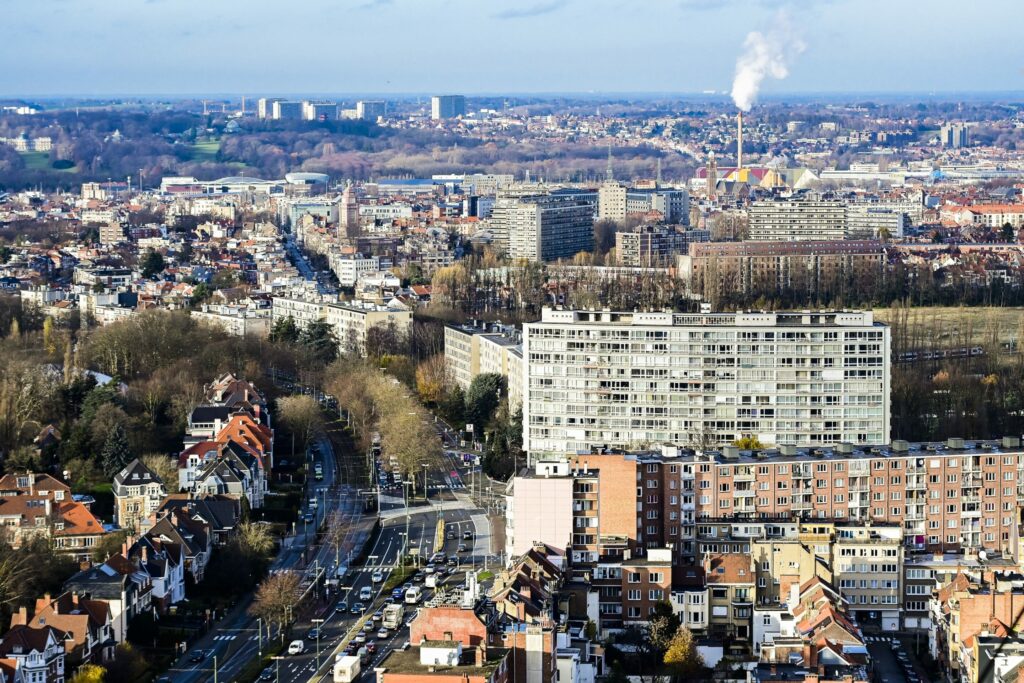
A quarter of Brussels residents faced the risk of poverty in 2025, according to the latest figures from the Health and Wellbeing Observatory published in the 2025 Wellbeing Survey.
The number of people living in extreme poverty in Brussels rose by over 25% in just two years, significantly impacting health and education opportunities for residents.
In 2025, 23% of Brussels citizens were at risk of poverty, compared to 7% in Flanders and 13% in Wallonia.
Six of Belgium’s ten poorest municipalities were situated in the Brussels Capital Region: Saint-Josse-ten-Noode, Molenbeek-Saint-Jean, Anderlecht, Koekelberg, Schaerbeek, and the City of Brussels.
Despite having a population five times smaller, Brussels had more welfare recipients than Flanders, recording 47,304 beneficiaries compared to 45,616 in Flanders.
Reforms to worsen situation
The proportion of welfare recipients in Brussels increased from 3% in 2002 to nearly 7% in 2025, far exceeding the 1.5% in Flanders and 4% in Wallonia.
Expected cuts to unemployment benefits may further drive up welfare dependency in Brussels, potentially surpassing the number of unemployed recipients.
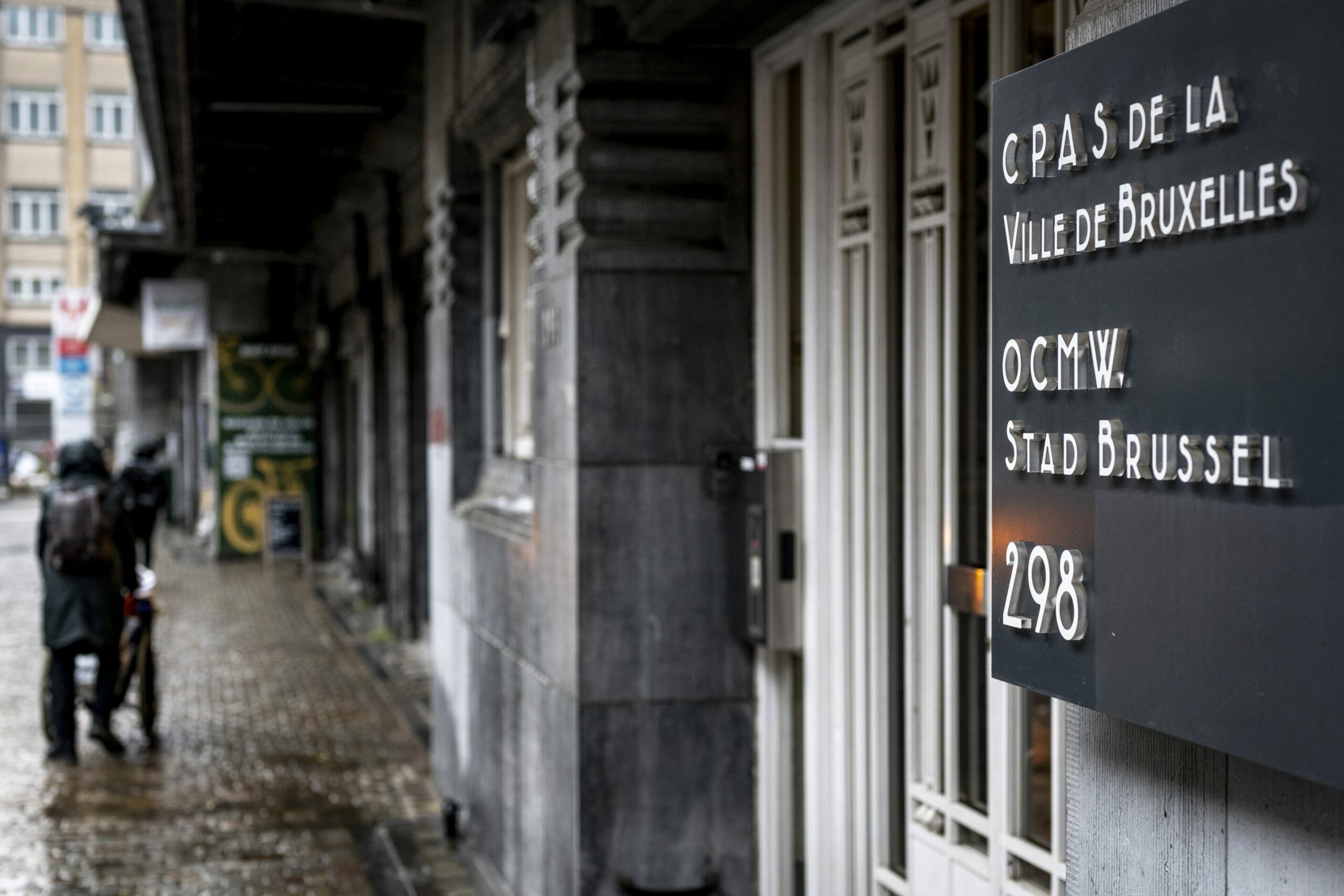
The entrance of the local social welfare centre (CPAS) in Brussels, pictured on Friday 09 January 2026. Credit: Belga / Dirk Waem
Extreme poverty also climbed in Brussels. More than 50,000 undocumented people reside in the region, representing 4% of the population. Meanwhile, homelessness figures recorded by Bruss’Help reached 9,777 in 2024—a 25% rise in two years.
Housing costs weigh heavily on Brussels residents, accounting for over a fifth of disposable income.
Among the poorest 20%, housing consumes more than half, leaving less than £10 per person per day for food, transport, healthcare, and other essentials.
Social housing is in critical demand, with 55,572 families on the waitlist as of January 2025—an increase of 78% over the past 15 years.
Waiting times often exceed ten years, and nearly a quarter of Brussels residents live in unhealthy housing, while one-third experience overcrowded conditions.
Booming inequality
Social inequality and poverty have a profound effect on health outcomes. Life expectancy differs by almost five years between the richest and poorest municipalities.
Chronic illnesses, such as diabetes, occur three times more frequently among the poorest 20% compared to the wealthiest.
Mental health also remains a significant concern post-Covid-19 pandemic, with nearly one in five people experiencing symptoms of anxiety or depression. This disproportionately affects youth and the economically vulnerable.
Children in Brussels are particularly impacted. One in three lives in a family at risk of poverty, undermining their learning conditions and prospects.
Educational disparities are stark; in Saint-Josse, 24% of secondary school students are at least two years behind their peers, compared to 8% in Woluwe-Saint-Pierre.
Absenteeism is another concern, with more than 21% of Brussels students frequently skipping school, significantly higher than the 14% in Flanders and 15% in Wallonia.
In some disadvantaged neighbourhoods, one in four students is affected. Over the past three years, these figures have doubled in Brussels.
