
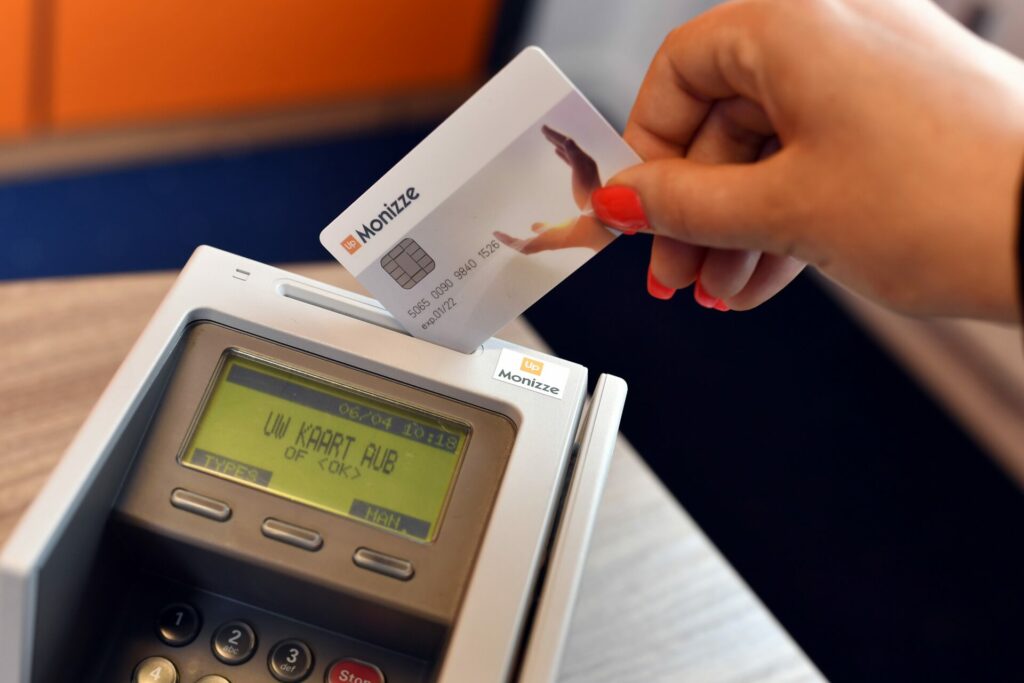
Meal vouchers remain the most popular fringe benefit, with over three-quarters of private sector employees now entitled to them, according to a study by the Belgian National Social Security Office (RSZ).
Meal vouchers, exempt from social security contributions and taxes, are the longest-standing alternative wage benefit and have gained steadily in popularity. In 2020, nearly 70% of private sector employees received vouchers; by 2024, this had increased to 76.5%. On average, a worker receives €952 worth of meal vouchers annually.
The RSZ predicts further growth in the usage and value of meal vouchers in 2026, citing recent wage negotiations as a key factor.
Other popular fringe benefits include second-pillar pensions, available to 68.5% of employees, and eco vouchers, which reached 51.7% coverage in 2024. Almost half of employees qualify for a reimbursement for commuting by car, making it another notable benefit.
A quarter of employees receive compensation for phone and internet expenses, while more than a fifth can use their company car for personal purposes. However, cycling benefits, which had been steadily rising in popularity until 2023, saw a slight decline in 2024, dropping from 18% of employees to 17%. The study notes uncertainty about whether this signals a peak or a longer-term downward trend.
Employer contributions to public transport for commuting, sports and culture vouchers, and gift cheques remain niche benefits, available to only 7.6% to 8.6% of employees in 2024.
The mobility budget, which allows employees to trade their company car for a tax-friendly allowance to fund alternatives such as leasing a bike or paying off their mortgage, continues to grow but remains relatively rare. In 2025, only 22,618 employees at 1,965 companies were using the scheme, according to the RSZ.
