
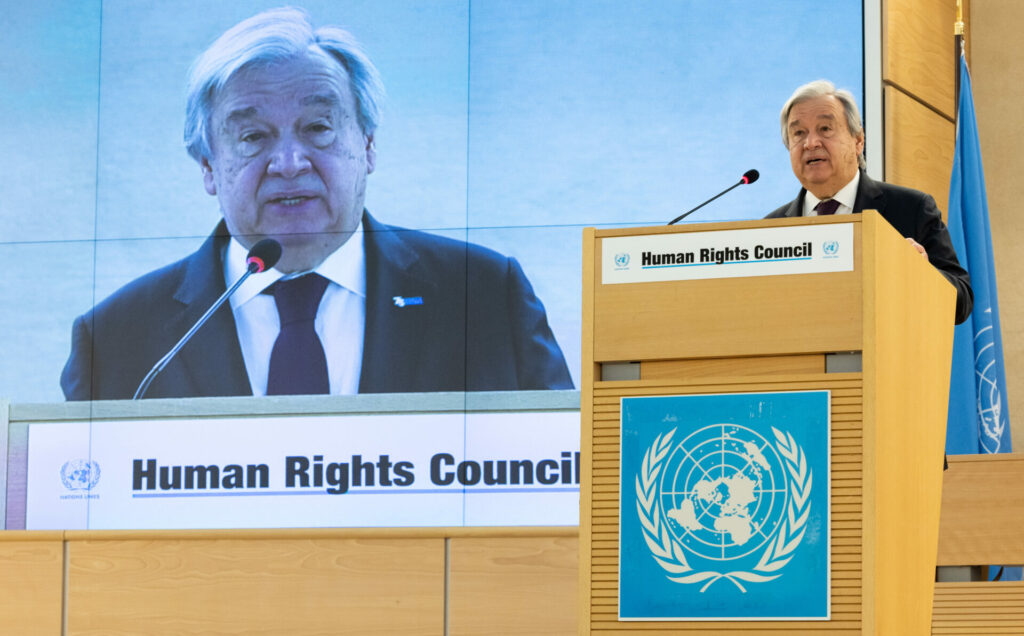
The United Nations Human Rights Council will review Belgium's efforts in ensuring the respect for domestic human rights on Wednesday in Geneva, as part of a periodic assessment happening every four to five years.
The Universal Periodic Review (UPR) is a UN mechanism to ensure compliance with human rights standards in member states, as required by the UN Charter, the Universal Declaration of Human Rights and other international treaties. Under this mechanism, Belgium has been previously reviewed in 2011, 2016 and 2021.
The country is represented by Deputy Prime Minister and Minister for Foreign Affairs, Maxime Prévot and his office, who issued a press release highly supportive of the initiative on the rhetorical level.
"Human rights are part of Belgium’s DNA. The universality, indivisibility and interdependence of human rights, which reinforce one another, are the guiding principles of Belgium’s actions, both within our own country and on the international stage," the Ministry of Foreign Affairs statement reads.
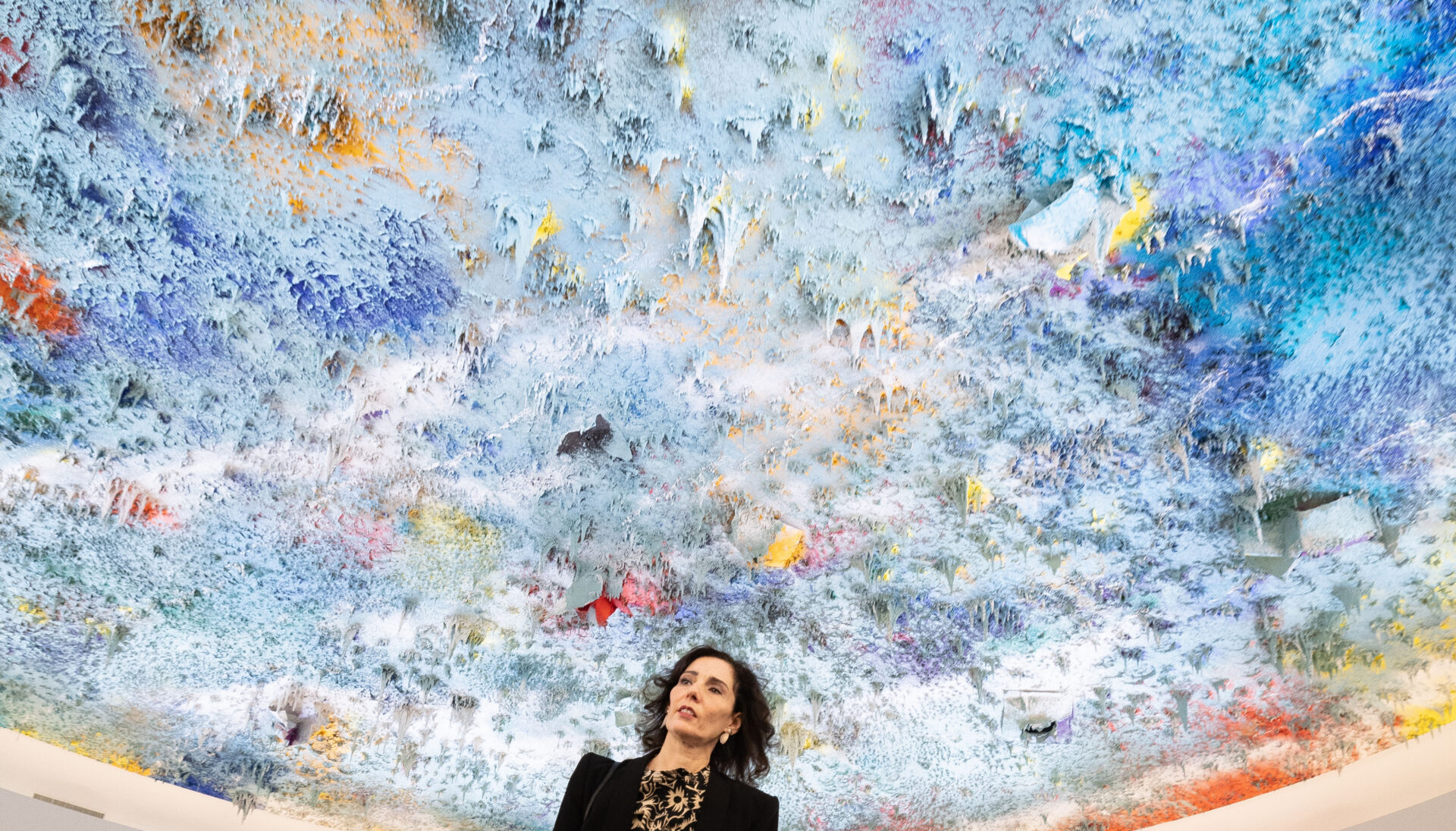
Former Belgian Foreign Minister Hadja Lahbib pictured at the opening session of the 52nd session of the United Nations Human Rights Council, in Geneva, Switzerland, Monday, 27 February 2023. Credit: Belga
How does it work?
The UPR is based on three different human rights assessments, all of them balancing different perspectives – one of the state itself, one from the UN and its member states, and another comprising criticisms from human rights experts and civil society organisations.
The first report is drafted by the Belgian federal and local authorities, who claim to have consulted civil society during the writing process. The report is mainly a follow-up on 251 recommendations from 119 countries that Belgium received during the previous UPR in 2021.
The second report is compiled by internal UN information, relying on the UN's extensive knowledge of the state of affairs of human rights in the country. It documents, highlights and reviews ongoing concerns or issues at stake.
Finally, the third report is based on contributions from various human rights institutions – NHRIs, academic organisations, local or international NGOs and advocacy groups. Their role is one of the watchdog, marking areas of improvement, where the UN should put pressure.
Some of the core issues to likely be highlighted this year in relation to Belgium are the asylum reception crisis, the effect of anti-terrorism legislation on civil liberties, longstanding prison overcrowding, non-compliance with judicial decisions, and the detention of individuals suffering from mental illness.
At the same time, Belgium was praised for expanding its support centres for victims of sexual violence, repatriation of children from active warzones, alongside anti-racism and anti-racial profiling efforts.
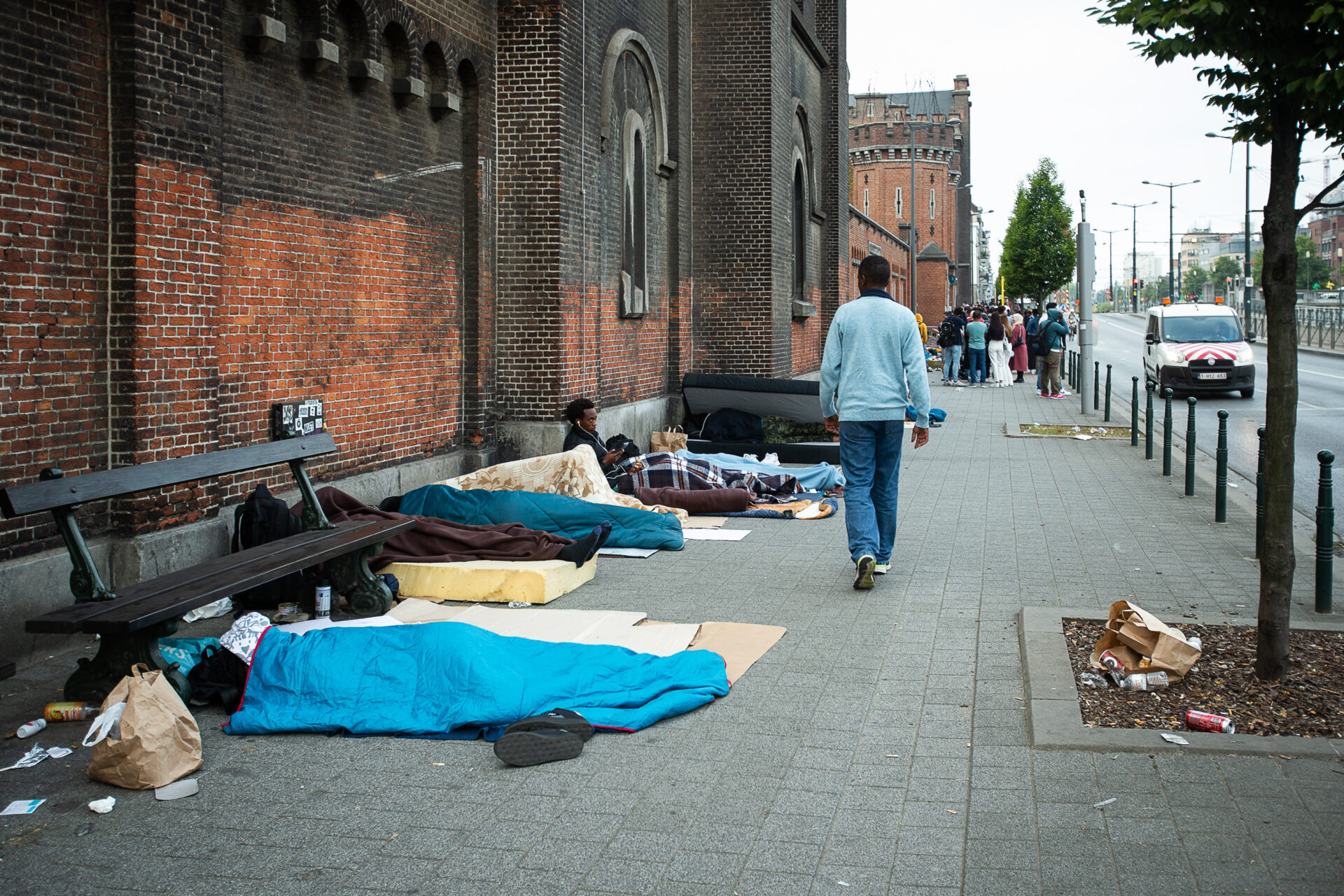
Illustration picture shows dozens of asylum seekers waiting at the entrance of the Fedasil registration centre Petit Chateau in Brussels, Friday 19 August 2022. Credit: Belga/James Arthur Gekiere
The UPR Working Group, which consists of the 47 Member States currently sitting on the UN Human Rights Council, has to familiarise itself with all of the reports.
Three UN countries randomly selected by lottery, known as Troika, take the stage as official rapporteurs.
This year, Estonia, Ethiopia and Iraq will draft a final verdict assessment, before a 3.5-hour session in the form of an interactive dialogue, during which the Belgian delegation receives recommendations from the UPR Working Group and any of the 193 Member States that wish to take the microphone.
Belgium, like any other country, can accept or "note" (diplomatic language for ignore) the recommendations.
