
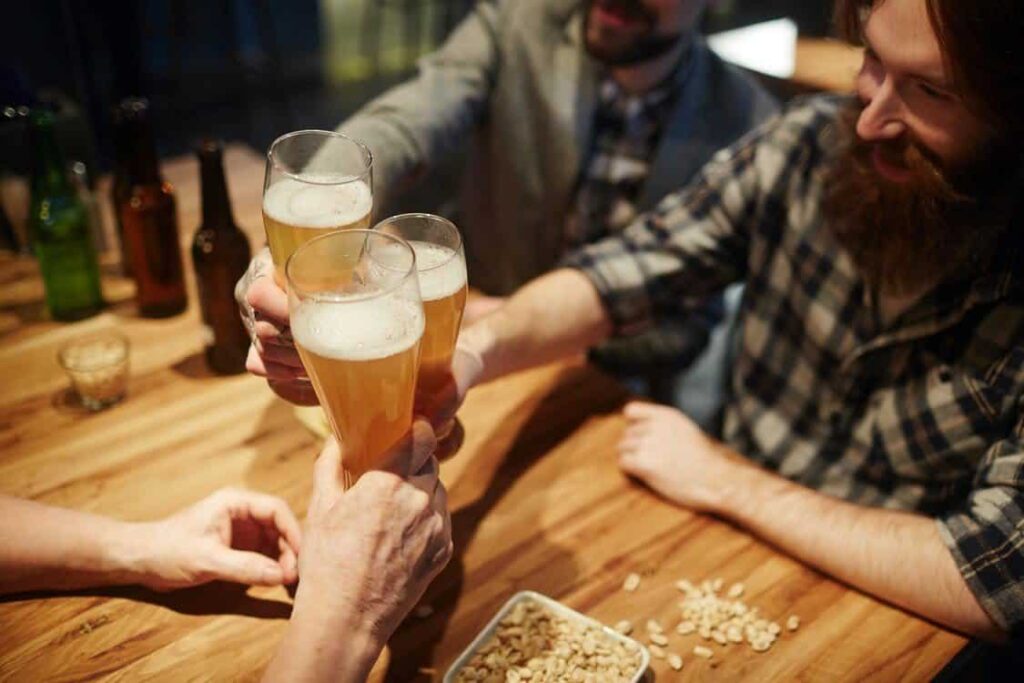
The tradition of getting a little bowl of free peanuts when ordering an alcoholic drink – particularly a strong beer – in Brussels' bars is slowly disappearing, according to a survey by Bruzz.
While some cafés remain true to the tradition of offering a small bowl of nuts, crisps or other salty snacks with a drink, others only do so in certain situations. Many establishments have even stopped the practice altogether: only 10 of the 30 bars that Bruzz visited in recent weeks offered the free little bites.
This has little to do with unwillingness, the outlet found. While snacks may seem cheap, costs can run up to €1,500 on an annual basis.
At a time when rent, staff and energy are becoming increasingly expensive, such a free bowl of nuts quickly becomes an extra expense that not every bar can afford – especially if they do not want to raise the price of the drinks.
Where does it come from?
Interestingly, the practice of giving customers something small to snack on with their drinks stems from two Belgian traditions, food historian Peter Scholliers (VUB) told the newspaper.
In working-class pubs, beer and spirits were always served, as were small snacks, such as cheese, ham, hard-boiled eggs or prawns.
"Sometimes, small portions were even given away for free. Not because pub owners had suddenly become very generous, but because they knew the effect: salty snacks make you thirsty, and thirsty customers order more," Scholliers said.
The second tradition stems from the upper social classes, where the aperitif became popular in the early 20th century. With the rise of stronger drinks such as whiskey and vermouth came the little canapés to whet the appetite.
"After the Second World War, this custom was increasingly adopted by brasseries and cafés, until the free snack became a typical phenomenon," he added.
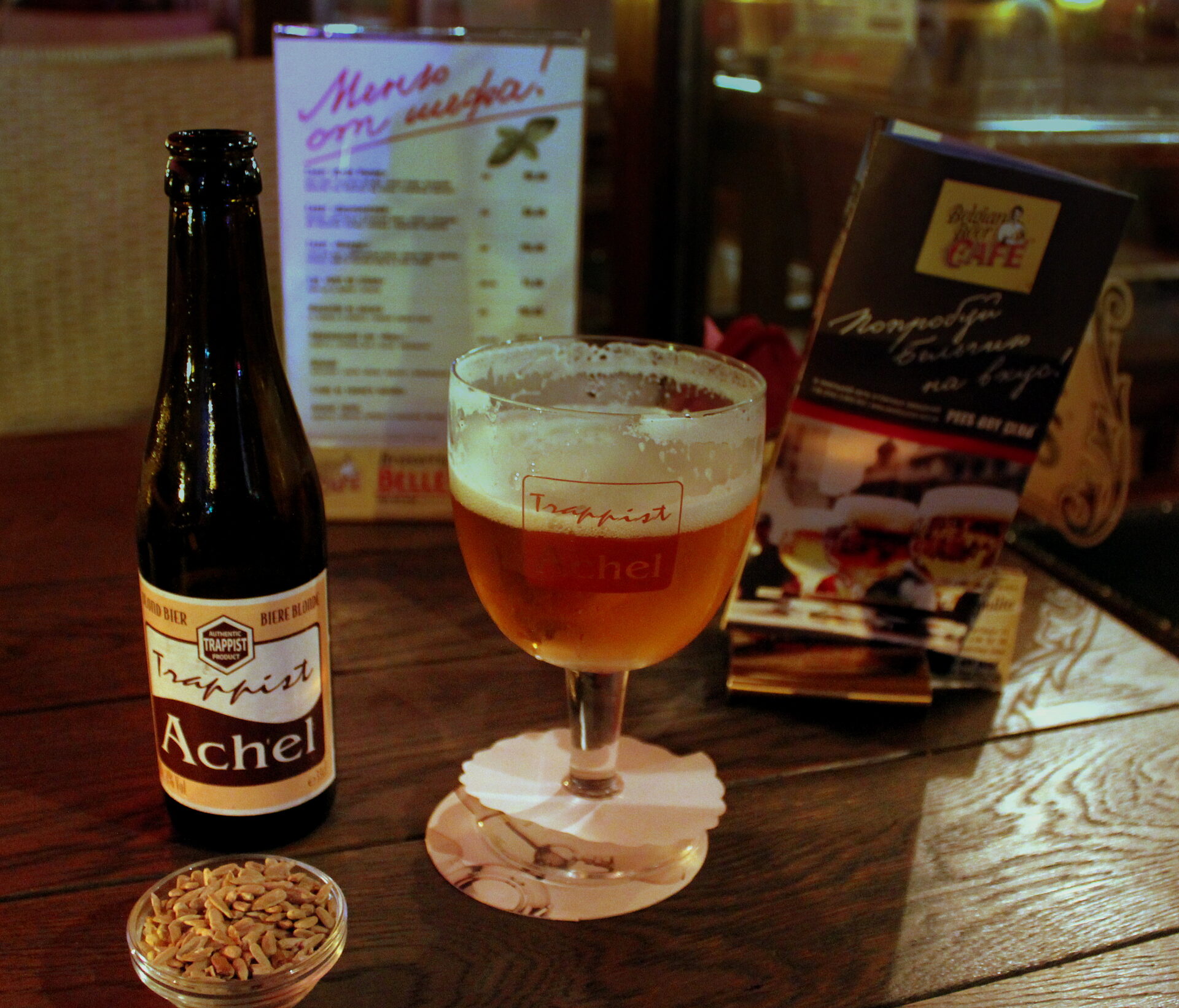
Credit: Wikimedia Commons
But this wouldn't be Belgium if there were not another strange explanation. Sofie Royer, an expert in criminal law at KU Leuven and the VUB, told Bruzz that there is also a striking legal reason for the free nuts.
Along with the increase in alcohol consumption in the 1930s-40s, the Belgian state felt that it needed to curb drunkenness and made it a criminal offence to leave a pub without paying.
"They believed that consuming alcohol on credit exacerbated the problem [of drunkenness] and thought it was more difficult for a pub landlord to demand payment when someone had only drunk alcohol," Royer said.
Today, people who leave without paying risk a fine of €200 to €1,500 and a prison sentence of eight days to three months. However, there is a caveat. If the customer consumes only alcoholic drinks (and no food), and does not pay their bill, then, theoretically, the pub owner has no legal grounds to take action.
Strikingly, that law still applies today. “If you eat something with your drink but leave without paying, the landlord can take legal action against you. That is why many pub landlords serve a small portion of food. To get around that law."
Whether bar owners today are aware of this measure is unclear, but they might consider it before completely removing their little bowls of free peanuts.
