
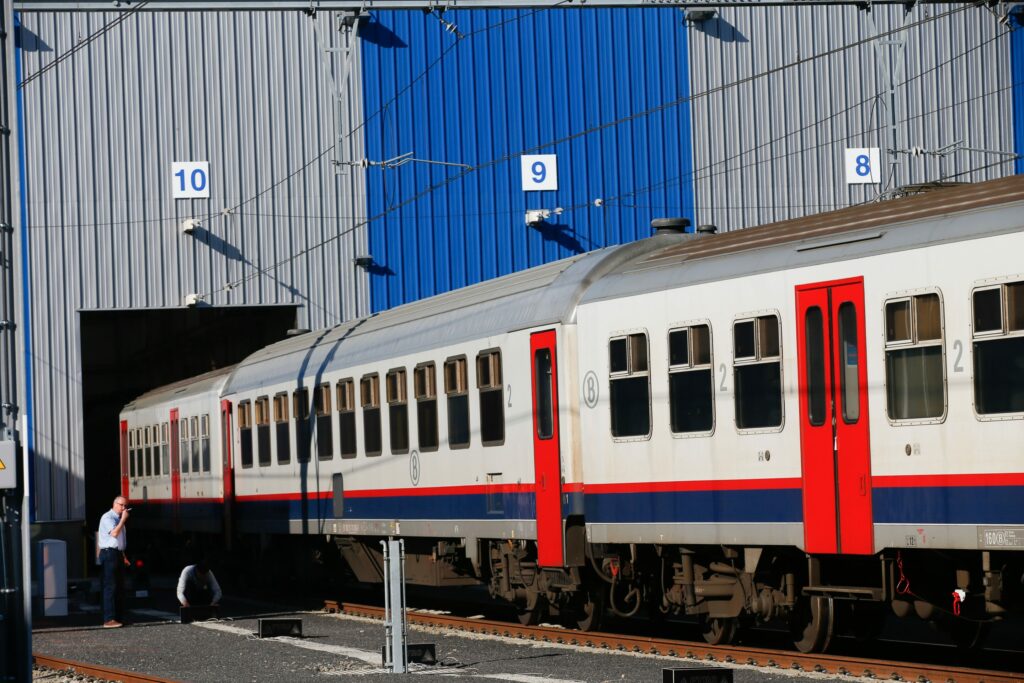
Beyond "train graveyards," Belgium’s decommissioned train fleet can face a surprising number of fates.
Once they are taken off the Belgian tracks, these rail icons are repurposed or scrapped. This includes salvaging parts and international resale to hazardous material recycling or even being transformed into quirky B&Bs.
As the transport strikes become more frequent across Belgium and green energy inches toward the forefront of nearly every conversation regarding the EU, some may wonder: "What happens to the transport I ride once it doesn’t meet Belgian or EU energy regulations?"
Stripping and cannibalisation
Before a train is sold off or scrapped, technicians from Belgium's national railway operator (SNCB) strip all viable parts.
These parts are then used to maintain the existing active fleet of trains that are the same model. By doing this, the SNCB can greatly reduce maintenance costs.
Resale for a second life
Many decommissioned Belgian trains are sold to other countries, both in the EU, such as Poland or Romania. If the trains don’t take on another life in Europe, they often end up on the African continent, such as in Morocco.
If any readers are interested in buying a decommissioned Belgian train, the details are available on the SNCB website.
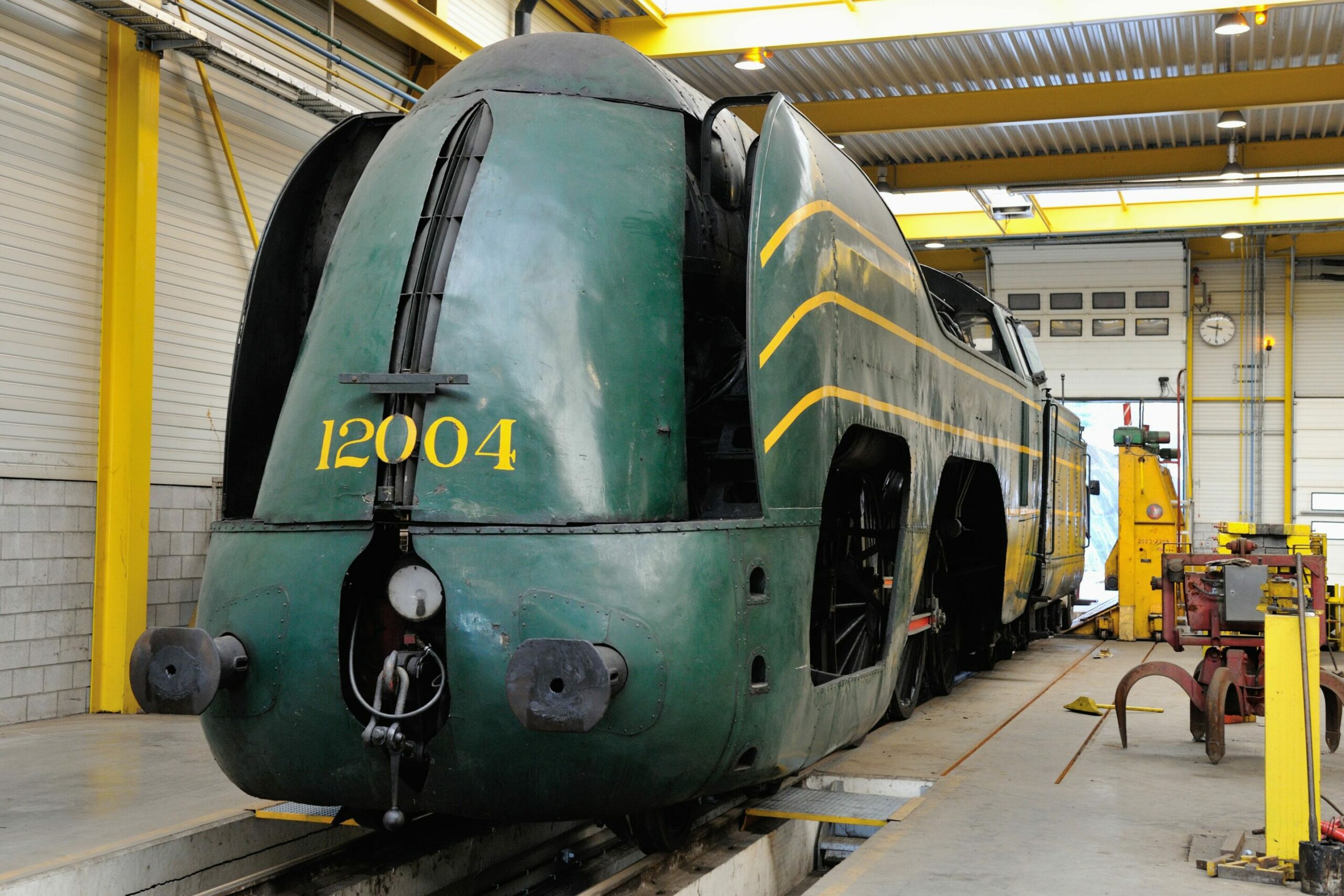
Old SNCB locomotive type 12.004 at the train depot in Kinkempois, in preparation for the mythic trains for the 'Train World' Railway museum, which opened in 2014. Credit: Belga
Preserved in museums
Trains with cultural significance are given to the Train World Museum in Scharbeek, or donated to certified heritage railway associations such as the Patrimoine Ferroviaire et Tourisme (PFT-TSP) or Chemin de Fer à Vapeur des 3 Vallées (CFV3V). These organisations restore the trains for "nostalgia rides" on specific tourist lines.
Industrial scrapping and recycling
When a train is deemed unsafe to sell, it is sent to a scrapyard. The first and most critical step is decontamination.
Most older Belgian trains often contain asbestos and lead-based paints. Specialised firms are tasked to strip these hazardous materials in a controlled environment before the metal can be stripped from the train
The train is then crushed and sorted. Steel, copper (from wiring), and aluminium are recycled. SNCB officially lists "special sales of various types of scrap" as a revenue stream.
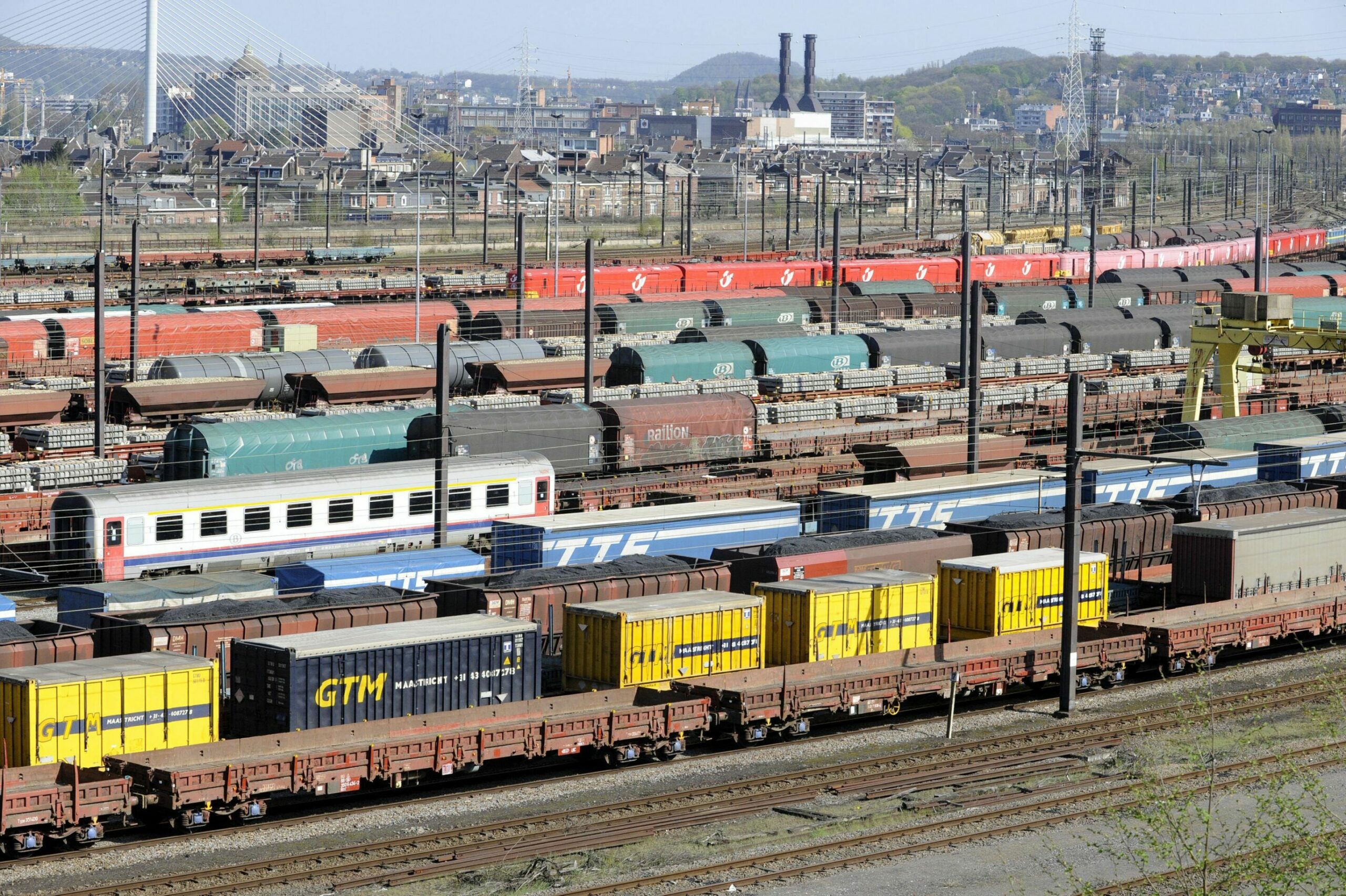
Illustration picture shows B-Cargo train wagons at the Kinkempois Station, in Liege, Friday 10 April 2009. Credit: Belga
Primary decommission sites
Before any of these potential outcomes can happen, decommissioned trains are parked at what is often referred to as "train graveyards".
Some of the most notable locations for this are Schaerbeek formation yard (Brussels), Kinkempois (Liège), Stockem (Arlon), and Monceau-sur-Sambre (Charleroi).
If you fancy taking a look at some of this stock legally, your best bet is at the Schaerbeek formation yard or Atelier de Stockem in Arlon. Just make sure not to trespass on SNCB property.
