
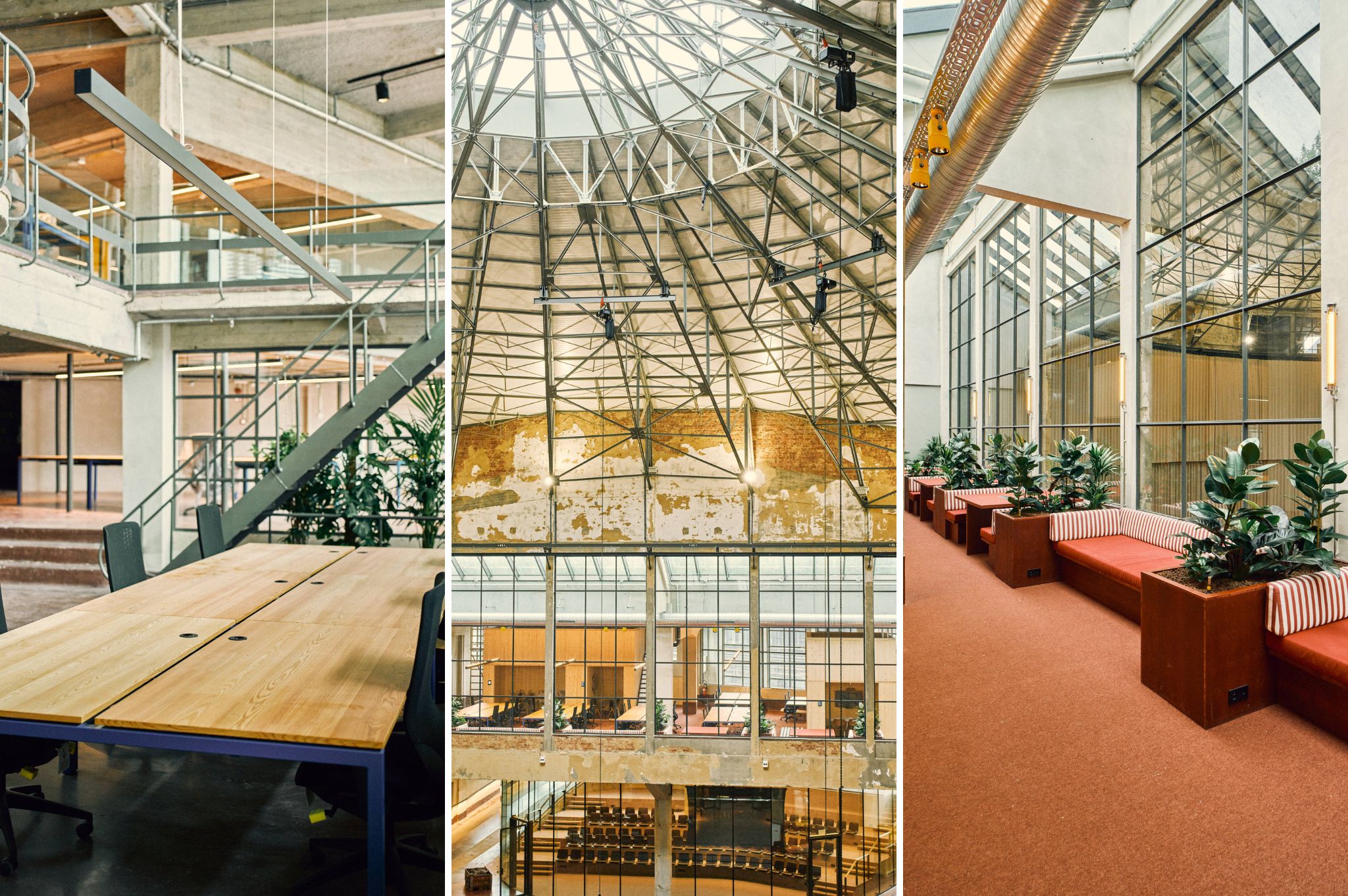
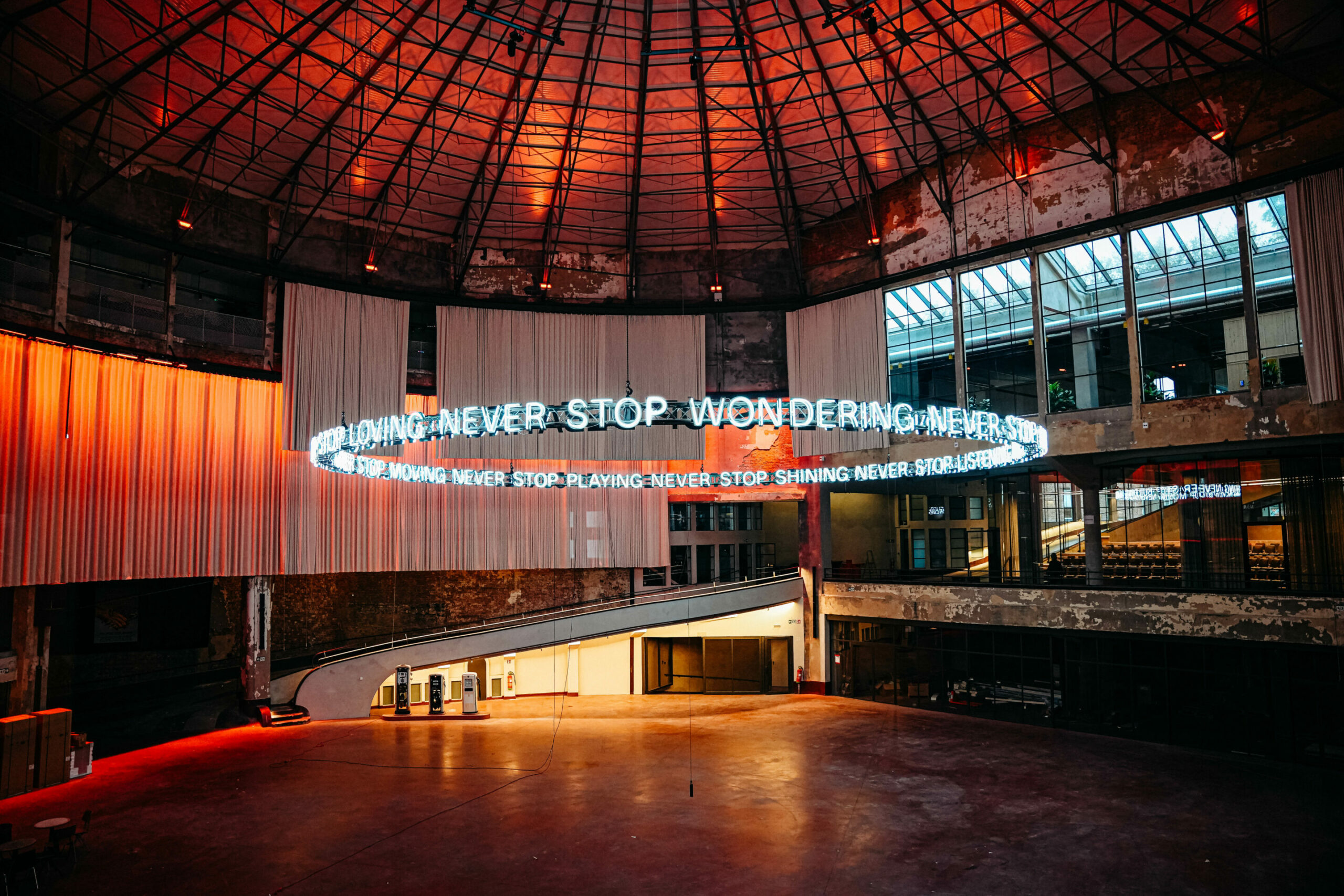
It’s Monday afternoon and the Wintercircus is humming with energy. A technology summit is in progress, the nearby bar terrace is packed, and a life-sized elephant rolls by. CEO Louis Jonckheere grins. "As you can see, it’s alive here,” he says.
The Wintercircus, a converted 19th-century building that once housed a riding school and a garage, serves as the heart of Ghent's technology scene. The office and event centre, which also hosts rock concerts, is run by a group of 20 entrepreneurs and investors determined to put Ghent on the map as a leading tech city. Here, they provide roughly 40 startups the opportunity to grow into fully-fledged companies – or even global players.
The latter may seem far-fetched, but it isn't. Ghent, once known for its textile industry, has transformed into a magnet for technology and innovation. No other Belgian city is home to so many AI startups: 108, according to figures from Ghent University (UGent) and the Planning Bureau.
This places Ghent among Europe’s fastest-growing tech hubs, alongside cities such as Lisbon, Madrid and Tallinn. Four of the seven Belgian "unicorns" (companies valued at $1 billion, around €860 million) are located here: Team.Blue, Lighthouse, Deliverect and, since only recently, Aikido. The Dutch data firm Dealroom calculated that the value of local startups and scale-ups has surged from €1 billion to €50 billion over the past 10 years. So, what explains Ghent’s disproportionate success?
Credit: Arthur Van Wassenhove
"There is no single element that explains this success; it’s a jigsaw puzzle where the pieces have finally clicked into place," says Veroniek Collewaert, professor of entrepreneurship at Vlerick Business School. "One key factor is undoubtedly the presence of numerous research and knowledge institutions. This provides a massive reservoir of talent,” she explains to The Brussels Times.
Louis Jonckheere agrees. In addition to being the CEO of Wintercircus, he is one of the faces of the cybersecurity specialist Aikido. “UGent produces top-tier talent,” he tells The Brussels Times. “Commercial, scientific, software development, management – you name it. The university maintains a very high standard. Including the colleges, tens of thousands of students graduate in Ghent every year.”
Only a few make it
At the Wintercircus, Julie Dumont is sitting on the terrace of Bar Bougie. While she gently stirs her cappuccino, she emphasises the importance of their surroundings. "The Wintercircus brings together many interesting people – investors and entrepreneurs you can truly learn from,” she says. “My company is also based here. Sometimes we just look out our window and spot an investor we haven't spoken to yet and say, 'Hey, let's go talk to them.'"
Dumont is the co-founder of Spotable, a startup that uses AI software to help construction companies prepare quotations. It's a potential gold mine, she believes. "The construction market is still very old-fashioned. There is a lot of profit to be made through digitisation.” Together with her business partners, she managed to convince the Wintercircus jury. That, in itself, is an achievement, she notes. "It's not easy to get in here; there’s a long waiting list and the jury is very strict.”
Louis Jonckheere nods: "We set the bar high. Having a good idea isn't enough; you also have to execute it well and convince people.”
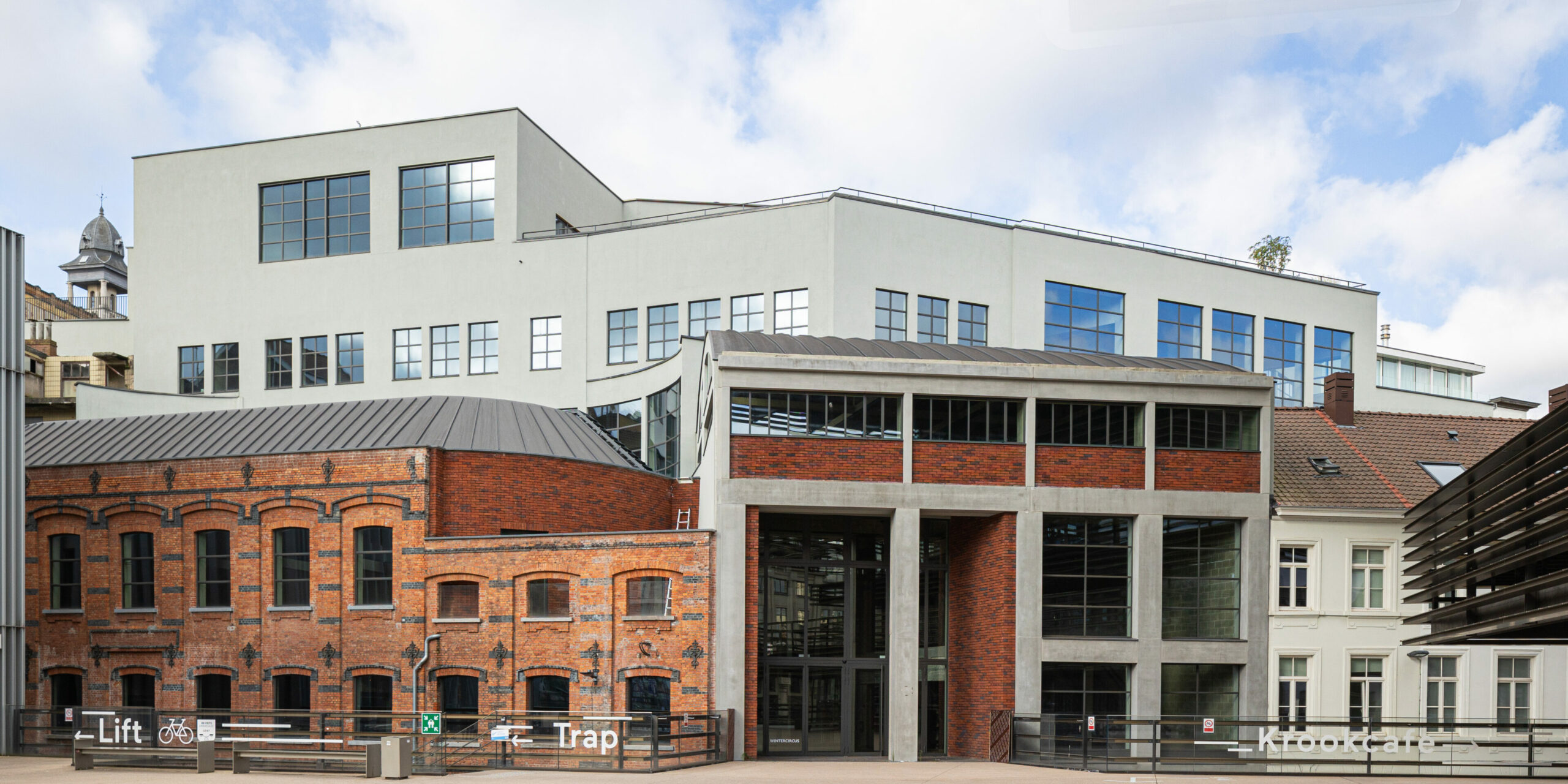
Ghent's Wintercircus hub. Credit: Hilde Vervaet
Starting a business takes huge amounts of energy, Dumont says. “Outsiders often see the success but miss the hard work behind. I work six days a week and sleep maybe five hours a night.”
Venture capitalist Jurgen Ingels, who invests in the Wintercircus, points out that even with all that hard work only two or three percent of the companies eventually grow above a €10 million valuation. Talent is not enough: you also need drive and stamina to succeed.
According to Veroniek Collewaert, the Wintercircus embodies another vital element of Ghent’s success story. "It’s a gathering place for serial entrepreneurs who have done this before and cashed in on earlier ventures,” Collewaert says. “They have a 'pay it forward' mindset, similar to what you see in Silicon Valley: they help young entrepreneurs who are just starting out. They are very accessible, offering advice and investing in these new companies.”
Jonckheere is the perfect example of such a serial entrepreneur. After studying law, he joined Netlog, the Flemish precursor to Facebook. "Netlog brought together a lot of talent and ambition. The energy from that era planted the seeds for the Ghent ecosystem. Founders Toon Coppens and Lorenz Bogaert were role models for many young entrepreneurs.” At a young age, Jonckheere himself looked up to Tele-Atlas, maker of digital maps and the brainchild of entrepreneur Alain De Taeye, who acted as a godfather to the tech scene. "When I was a teenager, it was the tech company to be. It was sold to TomTom for €3 billion – an incredible success story.”
Ghent occupies a unique position in Belgium. In Dealroom's ranking of global tech environments, Ghent ranks well above other Belgian cities. If you take population size into account, it even ranks 10th worldwide. Why is this happening here rather than in Brussels, Leuven, or Antwerp?
"In those cities, you have massive players that attract all the attention and resources," says Jonckheere. "In Leuven, it’s KU Leuven, the university hospital, and Imec. In Antwerp, you have the port and the chemical cluster. These are so large that they leave little room for the development of an entrepreneurial environment. Brussels is promising but very complex – it consists of different worlds within itself.”
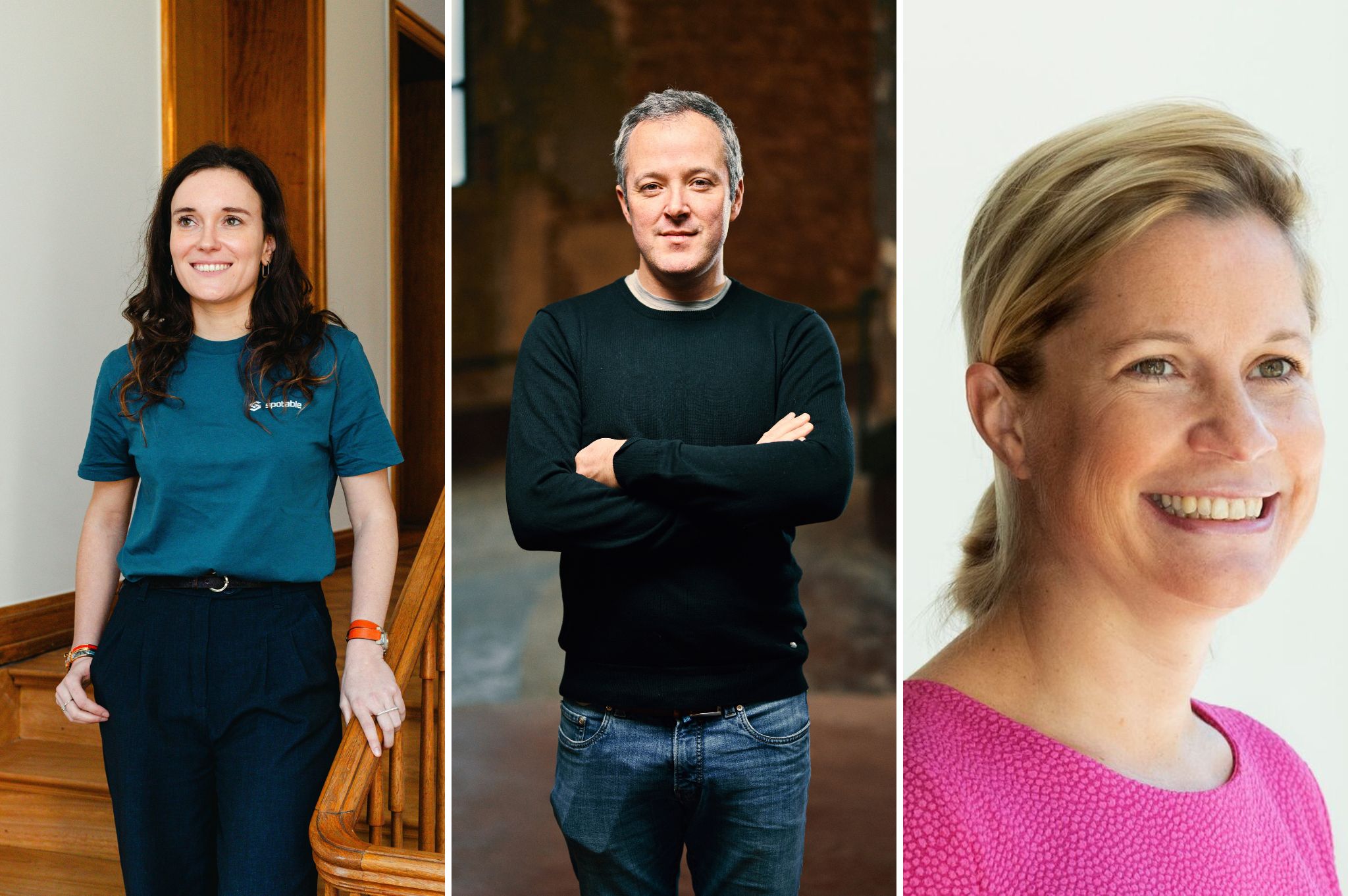
(L-R) Ghent tech workers Louis Jonckheere, Julie Dumoulin and Veroniek Collewaert
Veroniek Collewaert nods. "Brussels is doing well with its ecosystem, but Ghent is further ahead. There is a pull effect here: the more startups you have, the more expertise grows. As an entrepreneur, it makes sense to come here – it's easier to find both talent and investors. In Leuven, the tech scene is more closely linked to the university and the Imec research institute. The step towards commercialisation is less obvious there.”
In addition to the booming digital tech scene, there is also the Ghent biotech and medtech sector, a global leader, with billion-dollar companies such as Argenx and Agomab and promising scale-ups such as Indigo and Axithra. Its success remained separate from the digital scene for a long time, but this is changing more and more. A community such as Bits in Bio bridges the gap between the two. Examples of start-ups making the crossover are Biolizard, which processes biomedical data, and AM Team, which uses digital models to reduce carbon emissions from water treatment plants. The Wintercircus is also focusing more on biotech, as is the city itself. Biotech and life sciences are one of the policy priorities, alongside digital tech.
Farewell comfortable job
Jonckheere, who talks with a Ghent accent filled with English idioms, is a key figure in the Ghent technology scene and an inspiration for younger founders. At 41, he already has several well-known companies to his name. Following his time at Netlog, he founded In The Pocket, known to the Belgian public for the Itsme and Payconiq apps. In 2011, he co-founded Showpad, a software platform for sales and marketing. This May, he will move to New York to expand the American market for Aikido. "I’ve already been to the US for Showpad; I know who to talk to.”
Many entrepreneurs are physically close to one another, which Collewaert cites as another success factor. This is largely due to the scale of the city. Everybody knows everybody. "Ghent will never be able to compete with giants like Paris, London, or Berlin, which have much larger ecosystems”, says Louis Jonckheere. “Instead, we have a landscape that is much more cohesive.”
Entrepreneur Jan Hollez agrees. "If you want to talk to someone, they're just a phone call away. That’s vital. It’s amazing what happens when you have a pint together and see each other outside of work.” Hollez is the co-founder of Deliverect, another Ghent-based unicorn. His company simplifies point-of-sale systems for takeaway meals for clients such as Uber Eats, Burger King, and McDonald's.
Ambition out of necessity
What is also striking is that many Ghent entrepreneurs openly harbor the ambition to conquer the world. It’s uncharacteristic of a mentality that often prevails in Belgium: stay modest, think small. Julie Dumont smiles: "Spotable has only been around for a year, but we want to become a unicorn as soon as possible. We are convinced our product is superior to most of our competitors. I'm going to the US for the next few years to build the market there.”
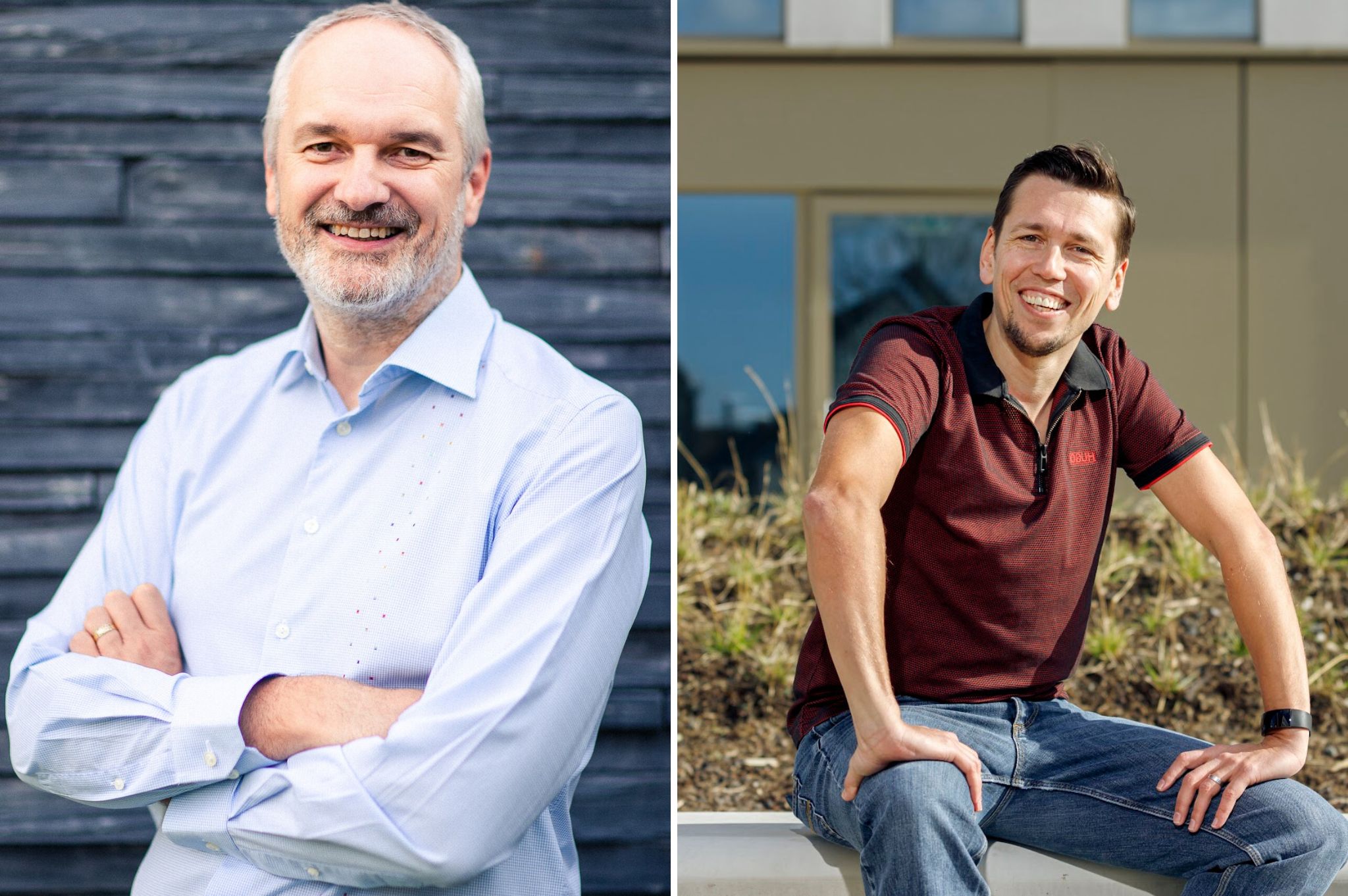
Ghent tech workers Jurgen Ingels and Jan Hollez
Jan Hollez nods. At the lobby of his company there’s a bar with slogans like ‘plan smart, act fast’ and ‘be customer Champions’ written across it. "I always tell people: whatever you think, think bigger. You have to dare to set crazy goals. We sometimes complain about the rules in Belgium, but the advantage of starting here is that you have to overcome various obstacles: complex taxes, multiple languages. The same applies to other European countries. Despite everything, we still don’t have a single market in Europe, which actually makes it easier for us to transition to the US or other markets.”
International ambition is often a necessity, according to Louis Jonckheere. "When it comes to software, you compete globally by default. You can become medium-sized in Europe, but sooner or later you will be swallowed up by an American company.” It’s a lesson learned from the past. Some 15 years ago, Ghent-based Netlog was a major European social network company, boasting more than 100 million accounts. However, Facebook, with far deeper pockets, took over and pushed the company aside.
Small town glass ceiling
It’s a reminder that Ghent has its limitations. The sky is not the limit here. Anyone looking for financiers with deep pockets must eventually go abroad. “In the early stages there’s enough money to be found. Also scale-ups may find their way to sufficient capital. However, with larger capital rounds, it becomes more difficult to stay here. Then you have to look to the UK and often the US – that’s where we ended up. There was no other choice.” Nevertheless, Hollez notices that Ghent is becoming more attractive to investors. "In the past, when they came here, they were usually on their way somewhere else. Now, they come to Ghent specifically.”

Ghent's Wintercircus. Credit: Farah Lieten
Internationally, the success of Ghent is remarkable, but still modest. The city’s still lagging compared to cities like Stockholm and Copenhagen. Louis Jonckheere agrees. He calls Stockholm ‘the craziest ecosystem in Eruope’. Ghent should look at it as a model, he says. "They succeed in keeping billion-dollar companies like Lovable (a vibe coding company) and Klarna (fintech) there because they have Spotify. Though it’s a world leading music platform, most of Spotify's leadership is based there, which has created a unique entrepreneurial culture and talent density. If you can keep a major player like that, you take the next step as a tech centre. We could do that here with Aikido.”
Can Ghent grow further?
A vital question is: how sustainable is this success? It’s a delicate question now that Ghent is reaching its limits. The city’s small size also has drawbacks: the talent pool is large, but not infinite. "We need more students," says Jan Hollez. "Look at Amsterdam – the number of people there is on a completely different scale.” Belgium must make it easier to attract foreign talent, adds Collewaert. "Labour legislation needs to be more flexible; that’s a vital next step. Italy, for instance, is already working on this with special visas for top tech profiles.”
Louis Jonckheere mentions that the entrepreneurs' organisation Voka is considering an "international house" in the Wintercircus to help families relocate. Capital resources also need attention. " Over the past decade, the Belgian government has also worked to make access to capital more flexible. Last year, it was announced that a massive European fund is being set up," says Collewaert. "I believe these are the right steps.”
"There’s still a long way to go, Jonckheere acknowledges. “Ghent is growing. It won't be easy to compete with Stockholm or others, but we must have that ambition. Belgium certainly has the talent – people just as capable as their American counterparts. What we lack is the mindset to think bigger. We’ve forgotten how to be ambitious, and that is costing us our prosperity. We want to reverse that.”
