
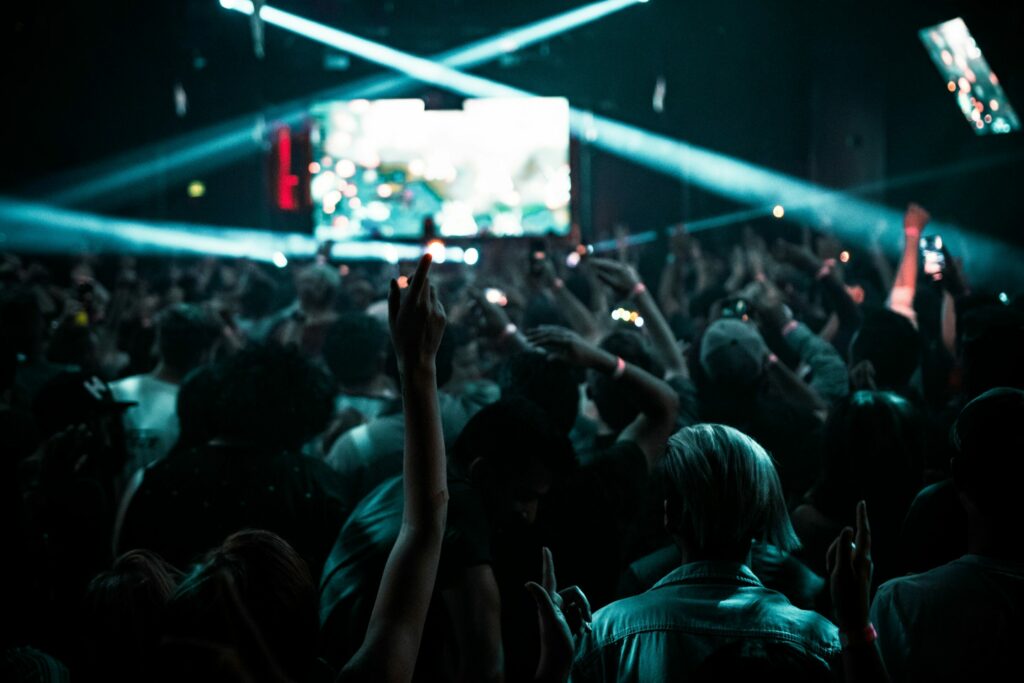
Brussels has taken a decisive step toward protecting its nightlife, by adopting the 'agent of change' principle. This policy shift flips the traditional logic of noise complaints, and places responsibility to adapt on newcomers rather than long-standing cultural venues.
By approving the 'agent of change' principle, the Brussels Parliament intends to protect its nightlife and club culture – something that was recognised as 'living cultural heritage' in summer 2023.
"The principle is simple: whoever causes the change takes responsibility," said Pascal Smet, Brussels group leader for the Dutch-speaking socialists (Vooruit), who tabled the proposal together with Anne-Charlotte d’Ursel of the French-speaking liberals (MR).
"If you move in next to an existing club, you must take measures against noise nuisance," he explained. "But the same applies in the opposite direction: a new nightclub must respect its neighbours and ensure its activities do not inconvenience them."
Stressing that this is "a necessary stop" in protecting Brussels' nightlife, Smet added that the principle is "the very essence of logic", a matter of good governance, and the way to keep the city "liveable for everyone".
Sounding the alarm
Nightlife in the Belgian capital has been under pressure for some time, with several well-known nightclubs such as Spirito and La Cabane recently having to close their doors.
Several nightclub owners have also sounded the alarm, fearing that the Brussels club scene is at risk of largely disappearing if measures are not taken soon.
In 2023, the iconic Fuse nightclub was forced to close briefly, because one of the establishment's neighbours filed a complaint about noise nuisance – something that was met by loud protests from the nightlife sector.
To address similar situations in the future, Smet and d’Ursel tabled a draft ordinance, which was also signed by French-speaking socialists (PS) and centrists (Les Engagés), and Dutch-speaking liberals (Anders) and Christian Democrats (CD&V), before being approved by the Brussels Parliament.
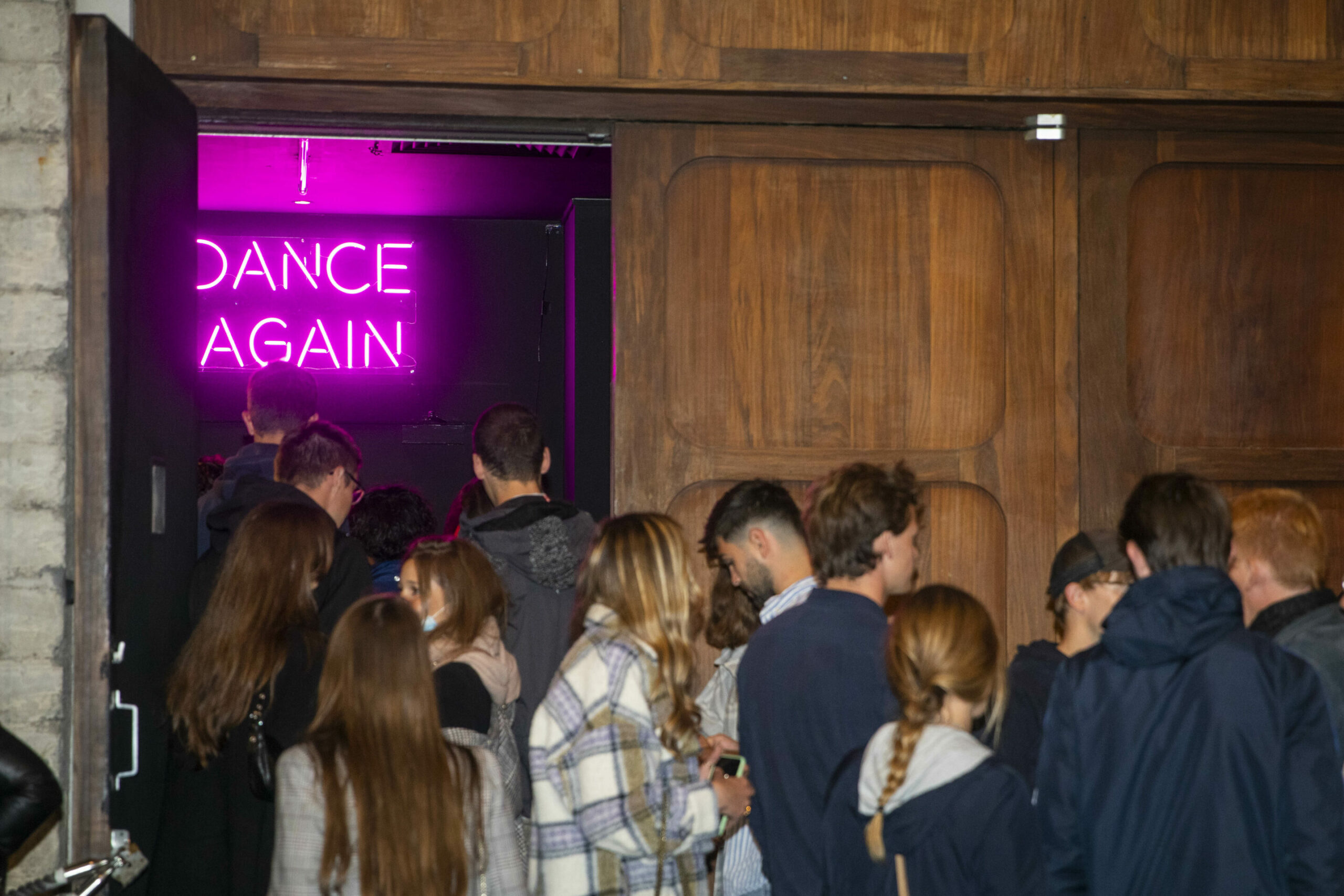
Illustration shows people queuing outside a night club in Brussels, Friday 01 October 2021. Credit: Belga
"Stories like that of Fuse, where a person who moves in next to an existing nightclub can subsequently force it to close due to noise pollution, will no longer be possible in future," Smet added. "Brussels’ nightlife gives our city national and international prestige and is part of our DNA."
While calling it a "necessary step", Smet also stressed that this measure alone will not suffice, and that further action needs to be taken in future.
The proposal focuses specifically on clubbing. Temporary establishments or outdoor events, such as the Foire du Midi (Midi Fair) for example, are not covered by the proposal.
There is also an urban planning aspect: the proposal stipulates that anyone constructing a new building or carrying out a major renovation to convert a property into a residence or a hotel within a 20-metre radius of an existing nightclub will be notified that there may be noise nuisance at the location in question.
Structural protection
"The so-called ‘agent of change’ principle, as already in place in London, for example, is truly progressive," said Anne-Charlotte d’Ursel (MR), the proposal's first co-signatory. "The last party to establish itself is the one that bears responsibility."
The other parties that supported the proposal are also satisfied, as are the Brussels nightlife federations Brussels By Night and the Night Council.
Since the temporary closure of Fuse in 2023, they have been pushing for this exact framework, the organisations announced on social media.
"Nightlife is not a nuisance, but a vital part of the city that deserves structural protection," they said. "Recent tensions and high-profile cases made the urgency clear, but the response is now systemic. The new rule recognises nightlife as part of urban planning."
