
Belgium's food safety agency is asking travellers to check what they can actually bring back into the country when returning from a trip outside the European Union.
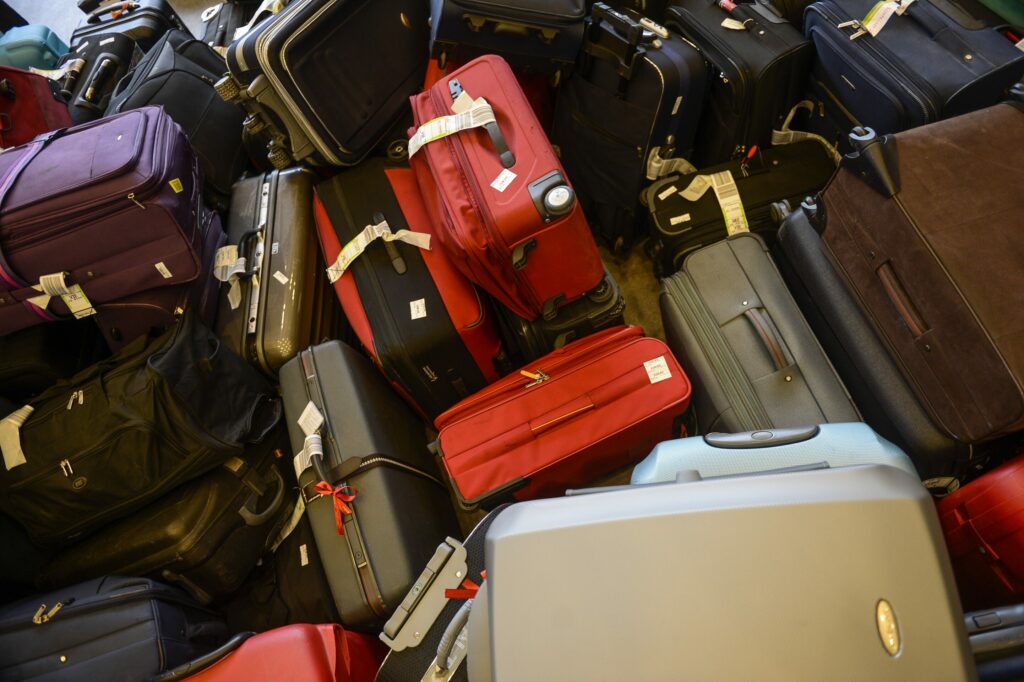
Luggage checks are regularly carried out by Belgian authorities to ensure illegal or potentially harmful substances are not brought back into the country from abroad.
Last year, 51 operations were carried out by customs officials, in collaboration with other agencies, including the federal food safety agency (FASFC).
A total of 894 travellers were stopped during the operations for breaching rules, and nearly 7.5 tonnes of high-risk products were seized.
According to the FASFC, some travellers do not realise that not everything can be brought back as a souvenir, particularly when returning to Belgium from a country outside the EU.
“It may seem harmless, but a piece of meat, an exotic fruit, seeds or a plant can indeed pose significant risks to our health, our agriculture, our environment and our food chain,” said FASFC spokesperson Aline Van den Broeck, earlier this month.
Meat, cheese, and baby food
In general, meat, meat products, milk and other dairy products from outside the EU are not allowed to be brought back for personal consumption.
However, there are a few exceptions: small quantities of infant formula, infant food, and foodstuffs for medical reasons or pet food for health reasons can be brought back into Belgium.
These items must, however, meet certain conditions. They must weigh a maximum of 2 kilograms, they must not need to be refrigerated before opening, and they must be branded and pre-packaged products.
Additionally, the food products must be sealed and intact unless the contents are currently being used, and they must be intended for the traveller or the pet accompanying them.
Travellers are allowed to bring back a maximum of 20 kilograms of fishery products for personal consumption, including fish, prawns and mussels.
Similarly, up to 2 kilograms of foodstuffs of animal origin, such as honey, can be brought back for personal use.
Seeds, bulbs, and plants
The transport of plants from outside the EU is monitored to prevent the introduction and spread of pests.
Several rules are in place to safeguard the health and quality of crops and rule out risks to food and feed in the EU.
When entering Belgium from a non-EU country, travellers are not allowed to bring plant products intended for planting, such as bulbs, seeds, and rooted plants.
However, some fruits, vegetables, flowers, and other plant products may be allowed to be brought back into Belgium if the traveller has a valid phytosanitary certificate. The certificate, issued by the exporting country, indicates that a series of conditions have been met.
Need more information?
Travellers returning from outside the EU also face certain restrictions and rules regarding the import of other goods, including alcoholic beverages, tobacco and cash.
More details on the travel rules and what items need to be declared can be found on the FASFC and the Finance Ministry websites.
