
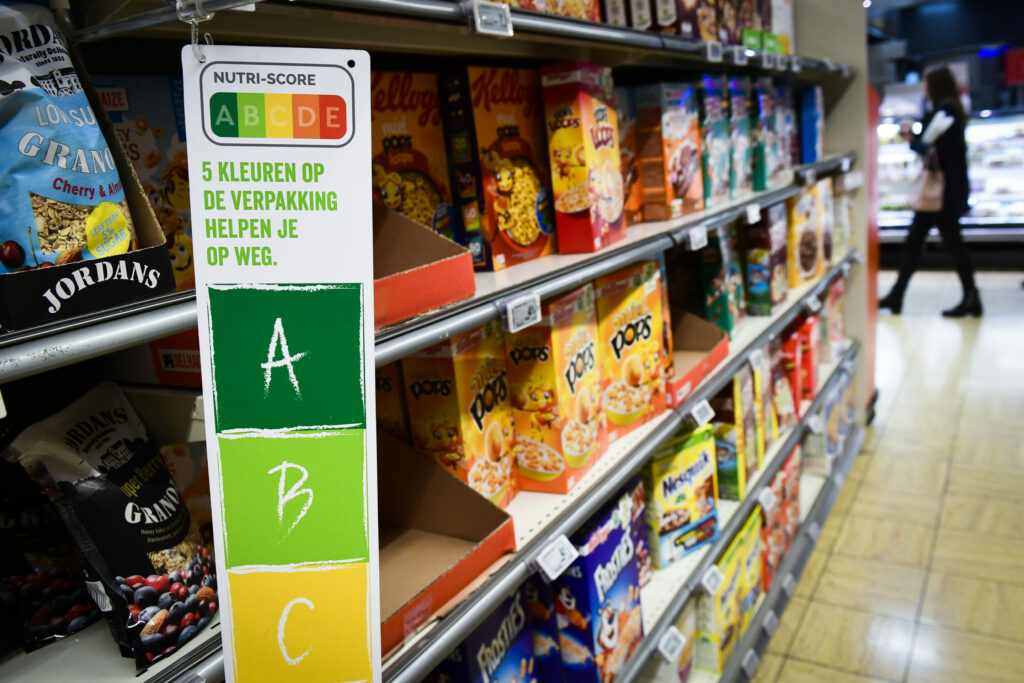
Nutri-Score, the food label and rating system which ranks products based on nutritional criteria, has attracted criticism across Europe in recent years. What exactly is it and where does Belgium stand on the debate?
Since being introduced in France in 2017 with the aim of making nutritional information more accessible to consumers, the system has been adopted by several other European countries, with Belgium embracing it in August 2018.
How does it work?
The system consists of a voluntary label that is displayed on the packaging of a food item or non-alcoholic drink. The label includes colourful letters ranging from A to E, with the colours ranging from dark green to dark orange.
Each colourful letter corresponds to a score based on nutritional value. This score takes into account, per 100g or 100ml of the product, the "favourable” nutrients and foods it contains, such as fibre, fruit or vegetables, and those which should be limited, such as sugars or saturated fats, among other things.
While the label allows consumers to quickly compare the scores of products within the same category, consumer groups have warned that this should not replace critical analysis of nutritional information.
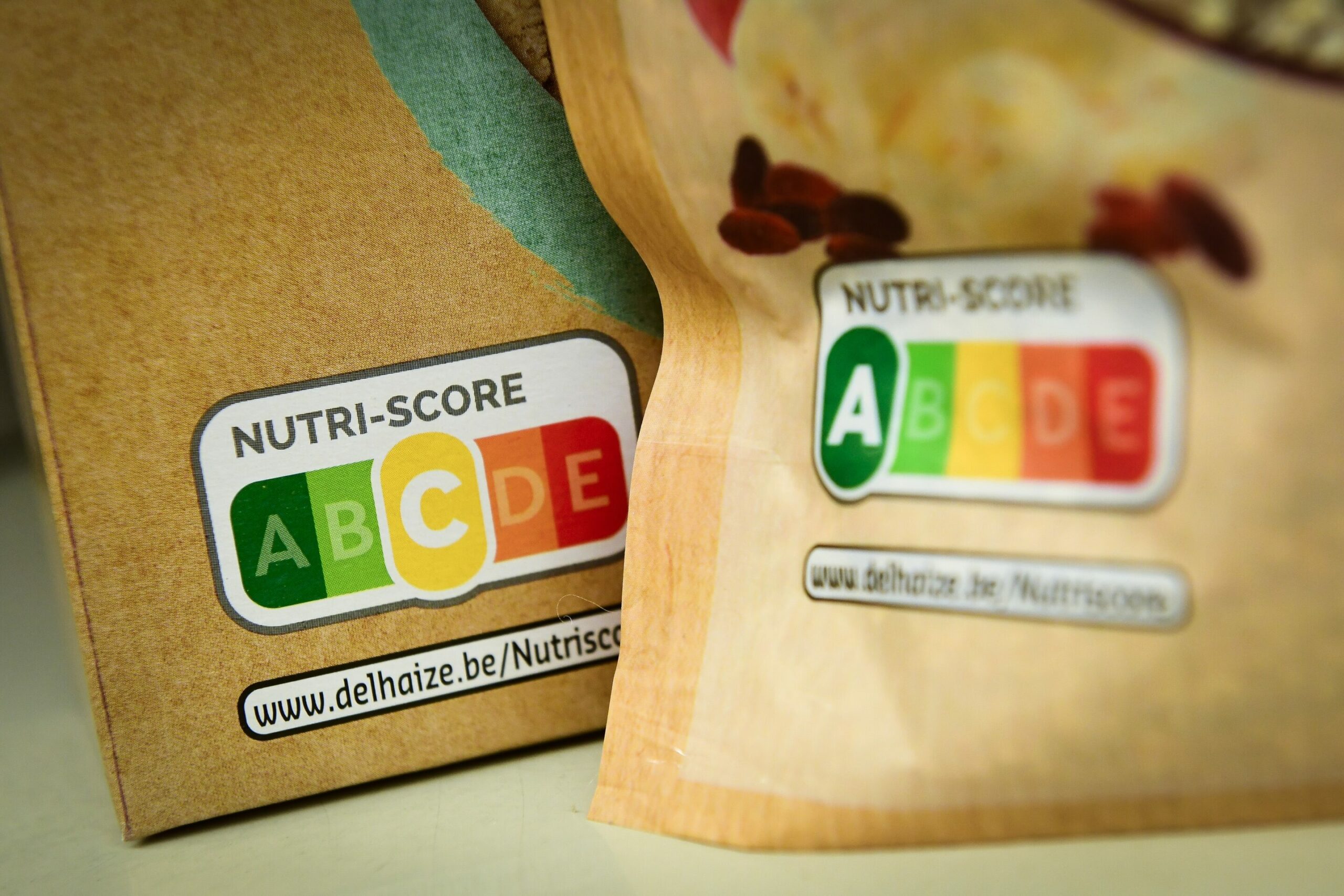
Illustration picture shows the Nutri-score of food products. Credit: Belga/Laurie Dieffembacq
Confusing or informative?
Over the years, some have criticised the system for being "biased” against certain products or potentially confusing to consumers.
The fact that the nutritional labels are awarded based on the nutritional value of the product as it is sold rather than as it would be consumed has also been a cause of confusion in the past, according to Belgian consumer group Testacast.
One example, according to the consumer group, is frozen chips, which could have a more positive score based on their nutritional value before being fried.
Nonetheless, Testachats has championed the system for providing quick visual information, recently calling it a “crucial public health tool", which can help combat obesity and related diseases.
The sentiment is shared by the Belgian Ministry of Health, which has also hailed Nutri-Score as a way to provide clear nutritional information and encourage manufacturers to improve the nutritional value of their products.
Where does Belgium stand?
While it remains a voluntary system in the country, a recent Testachats survey, based on 700 responders, found that the majority of Belgians are familiar with the Nutri-Score system, with 57% of responders adding that they have purchased a specific item based on the label.
To expand the impact of the system, the consumer group believes it should be made mandatory for all packaging, an idea that has been proposed already by Les Engagés, and which was supported by 78% of the Testachats survey responders.
“At present, some manufacturers deliberately choose not to display a poor Nutri-Score, for fear that consumers might switch to another product,” said Testachats spokesperson Julie Frère.
Other Nutri-score-related proposals on the table focus on expanding the Nutri-Score system to advertising rules. One of the proposals is a ban on advertising products with D or E Nutri-Scores.
Meanwhile, Federal Health Minister Frank Vandenbrouck put forward a draft royal decree to make it mandatory to show the Nutri-score of products in food advertisements.
According to the Testachats survey, 65% of Belgian responders supported Vandenbrouck's measure, with the support rising to 73% for adverts with food products for children.
