
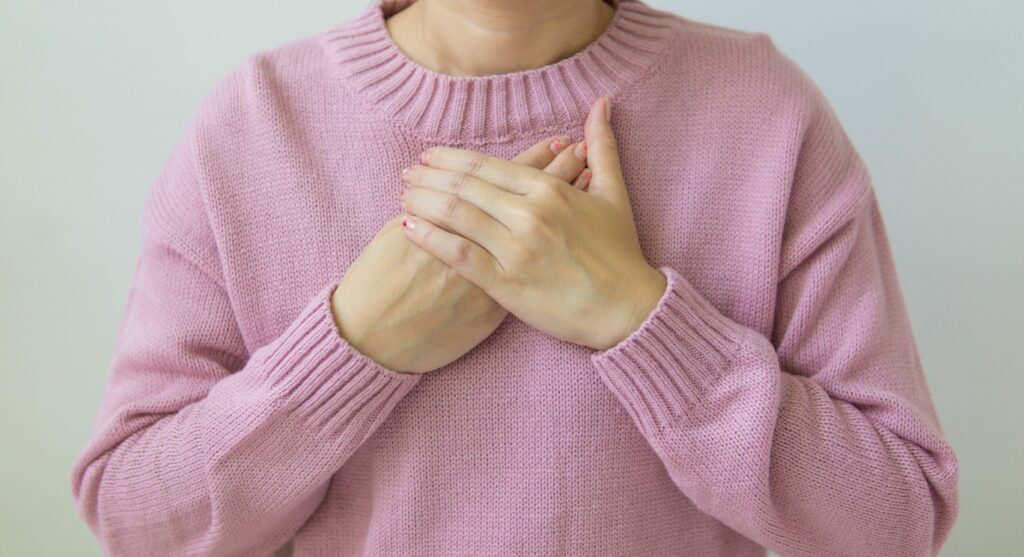
During this year's annual Belgian Heart Week, the Belgian Cardiology League is putting women’s cardiovascular health at the center of its campaign.
The League states that nearly 14,000 Belgian women die from cardiovascular disease each year – or 31% of all deaths. Its 2026 campaign, fittingly titled “The Heart of Women”, hopes to raise awareness of the specific risks women face and encourage earlier prevention and diagnosis.
Mortality statistics published by Belgian statistics agency Statbel earlier this year show the impact cardiovascular diseases had on Belgium's mortality rate from 2009 to 2023. While the graph shows fewer people have died from diseases of the circulatory system in recent years, the condition remains the leading broad cause of death among women in Belgium.
That is why this year’s Heart Week is specifically focused on raising awareness for women, whose cardiovascular risks can differ from those traditionally associated with heart disease.
For decades, cardiovascular disease has often been portrayed as a predominantly male health problem. This perception has caused women's cardiovascular health to be less recognised.
While the female heart performs the same basic function as the male heart, they have anatomical differences. Women's hearts are generally smaller and their coronary arteries narrower. Those differences can influence how cardiovascular disease develops and how it presents in women.
Some cardiovascular conditions are more common or have particular characteristics in women, including Takotsubo syndrome (also known as Broken-heart syndrome), spontaneous coronary artery dissection and forms of ischemia in which the major coronary arteries don't show significant obstruction.
Cardiovascular risk changes with age
While cardiovascular risk naturally increases with age, it’s smart to stay vigilant about your heart health. Cardiovascular disease affects roughly one in three Belgian women, and according to the League, 80% of those diseases can be connected to lifestyle choices.
The World Health Organization (WHO) states that things like smoking, physical inactivity and excess weight can all make someone have a higher risk of developing a cardiovascular disease.
Pregnancy complications like hypertension, pre-eclampsia, post-partum eclampsia and gestational diabetes are also associated with increased cardiovascular risk later in life.
The League recommends continued medical monitoring of blood pressure, blood sugar and cholesterol for people who experience these complications, as well as cardiovascular and blood examinations around age 50.
Symptoms may be less typical
Another central goal of this year’s campaign is to raise awareness of heart attack symptoms.
While chest pain or pressure is a major warning sign, women may also experience less “typical” symptoms. These symptoms include but aren’t limited to unusual or extreme fatigue, shortness of breath, dizziness and palpitations or pain in the upper back, neck or jaw.
Unfortunately, these symptoms can often be mistaken for stress, anxiety, exhaustion or digestive problems, which can delay crucial treatment time. The League urges anyone who exhibits these symptoms to seek immediate medical attention.
