
Just over a fifth of people in the European Union – 20.9%, or 92.7 million people – are at risk of poverty or social exclusion. On Saturday 17 October, the International Day for the Eradication of Poverty is on Saturday, these people are urging the EU to take action.
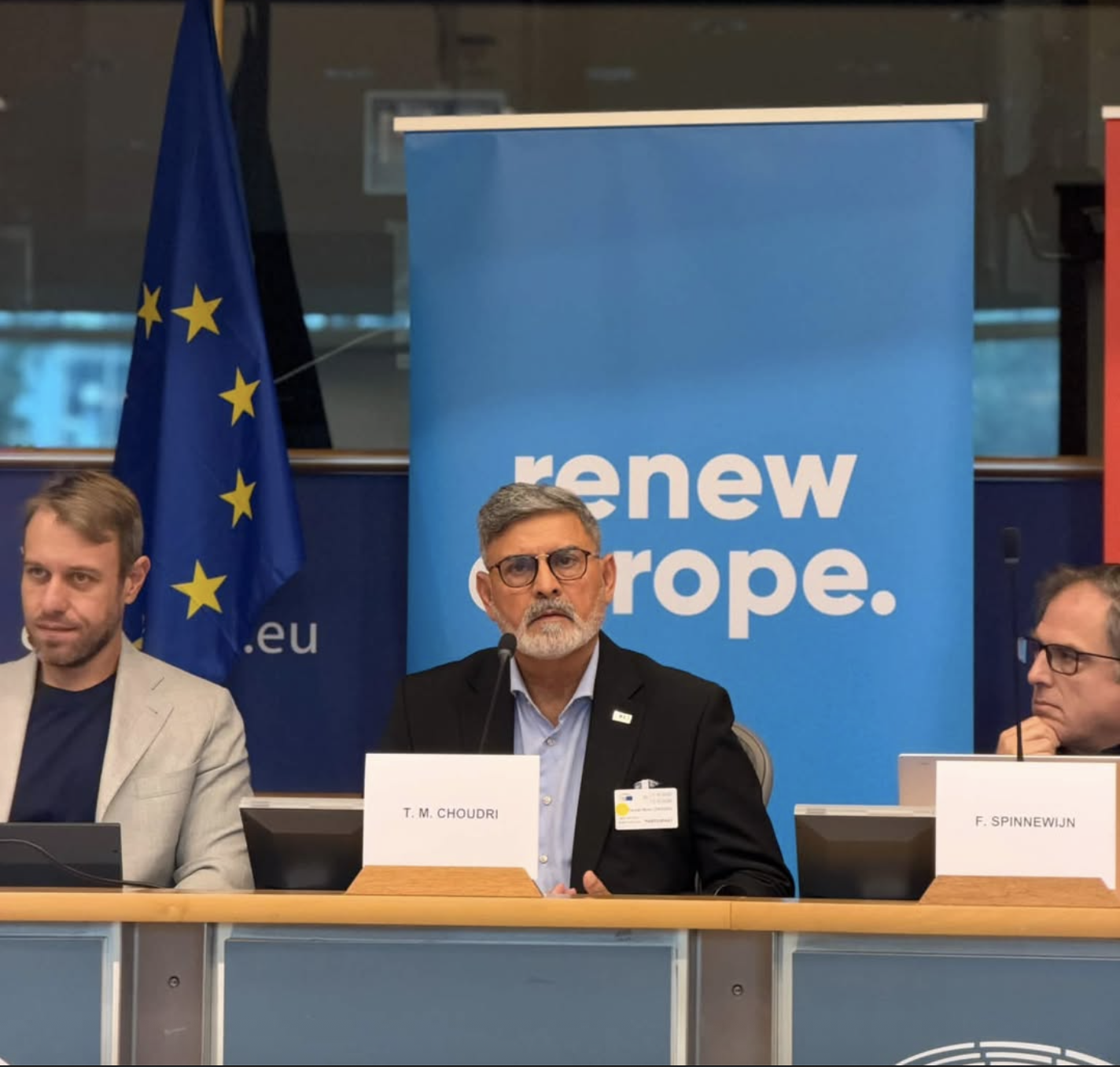
On Wednesday, the European Parliament held its second annual Anti-Poverty Day, an event organised by the European Anti-Poverty Network (EAPN) and several European political groups. The goal of this event was to bring together people experiencing poverty with EU decision makers to discuss what measures are needed to achieve the EU’s anti-poverty targets.
"This event shows that people experiencing poverty can help shape Europe’s response to it," said MEP Marie Toussaint (The Greens/EFA), who is Co-Chair of the Intergroup Fighting Poverty and Social Exclusion. "Meaningful participation means giving their experience weight in decisions about policies and budgets and being accountable for what follows."
These initiatives follow the launch of the European Commission's first ever anti-poverty plan launched on 6 May. The plan aims to reduce the number of people at risk of poverty or social exclusion by at least 15 million by 2030 and help to eradicate poverty by 2050.
To do so, the strategy focuses on quality jobs and access to essential services and income support, while also addressing housing exclusion and child poverty.
Credit: Tayyab Choudri
Participation in the event
The event included panels and workshops with people experiencing poverty in addition to politicians and civil society organisations.
According to Toussaint, the first priority of the Parlaiment's Intergroup Fighting Poverty and Social Exclusion is the involvement of the people facing poverty. "We had 12 participants from across Europe to participate with us, to think with us," Toussaint told the Brussels Times. "Their experiences, their testimonies were absolutely essential."
For one of the panel participants, a person experiencing poverty from Norway, Tayyab Choudri, it can be difficult to feel heard when discussing the topic.
"People often hear our stories and say they are moving, but then nothing changes," Choudri said. "We will know our voices are heard when we see real action and meaningful change."
For Choudri, his message was simple. "We don’t need more promises without action. We need policies that make a real difference in people’s lives," he told the Brussels Times. "And we need people with lived experience of poverty to have a seat at the table when those decisions are made."
Choudri will be further participating in anti-poverty measures, and will speak at a high level debate for the European Economic and Social Committee plenary at the European Parliament on 22 October.
Finding funding
However, amid growing budget pressures at the national level and ongoing debates over the size of the next funding package for the EU, there are further concerns about finding funding the measures necessary to reach these anti-poverty targets.
"Given the size of the challenge," the Commission wrote when launching the plan, "delivering results in reducing poverty requires immediate and sustainable investments."
These funding concerns are shared by Juliana Wahlgren, the Director of the European Anti Poverty Network Europe. "We are deeply concerned about the implications of the next Multiannual Financial Framework for social rights and the fight against poverty," Wahlgren said in a statement to the Brussels Times.
"The EU Anti-Poverty Strategy cannot remain an ambition on paper. It must be backed by the resources needed to implement it," she said.
For Toussaint, EU Member States have to think carefully about what they really want to do,"because right now, they have said they want to end poverty. But this needs to come with a budget," she said.
"The people facing poverty, especially those who believe in the EU and the role it can play, cannot wait until 2050."
Reaching ambitious targets
However, even given adequate funding, questions remain about how realistic these proposals are.
Since 2025, the EU has seen a decrease of 600,000 people facing poverty from 2024, and according to the latest figures from the European Commission, the EU has reduced the number of people at risk of poverty by 3.5 million since 2021.
While this is certainly progress, it still leaves the EU behind its target of on reaching the anti-poverty targets of reducing poverty by 15 million from 2019 levels.
However, for Toussaint, whether the EU's ambitious goals of eliminating poverty by 2050 are realistic is not what's relevant for her.
"My role is not to be optimistic or pessimistic," Toussaint told the Brussels Times. "It's to work so that we can achieve to reach this goal. So that's what I'm doing."
