Belgian employees are cutting back on full-time work and switching to flexi-jobs because they can earn more, according to a new survey by HR services company Partena Professional.
Partena's findings show that six in ten employees who either took on a flexi-job in the last 12 months or plan to take one in the next 12 months are motivated by the ability to earn more after taxes than they do in their main job.
The survey also found that 22% of employees planning to take on a flexi-job in the next 12 months will reduce their hours in their main job as a result.
"This is, of course, rather problematic; it appears to be the first clear indication of ‘crowding out’: regular working hours, on which substantial taxes and social security contributions are paid, are at risk of being displaced by hours that contribute far less to the social security system," argued Stijn Baert, an economics professor from Ghent University.
The flexi-job system is increasingly becoming controversial, with Budget Minister Vincent Van Peteghem (CD&V) previously arguing the system was "going off the rails."
In July, Van Peteghem launched a review, highlighting a potential €500 million loss in 2025 from lower tax and social security contributions.
"These new figures show that our fears that flexi-jobs would displace regular work were entirely justified," Bert Engelaar, president of ABVV-FGTB trade union, told The Brussels Times.
"As the federal government negotiates the budget, we remind Budget Minister Van Peteghem of his comments this summer. A strict regulatory framework and a genuine evaluation of the system are urgently needed. Flexi-jobs can not be a Trojan horse to further undermine permanent, high-quality jobs and our social protection."
Flexi-jobs were introduced in 2015 to allow retirees and those working at least four-fifths of a full-time job to earn extra income, for example through additional weekend work.
While flexi-jobbers receive social and other employment benefits, they pay no tax or social security on these wages. To encourage employers to offer flexi-jobs, the scheme reduces their social security and tax contributions.
Originally intended for the seasonal hospitality sector, flexi-jobs were extended to all sectors this July (with a few exceptions), and recent announcements suggest the scheme will soon be extended to freelancers. In 2025, over 150,000 people held a flexi-job.
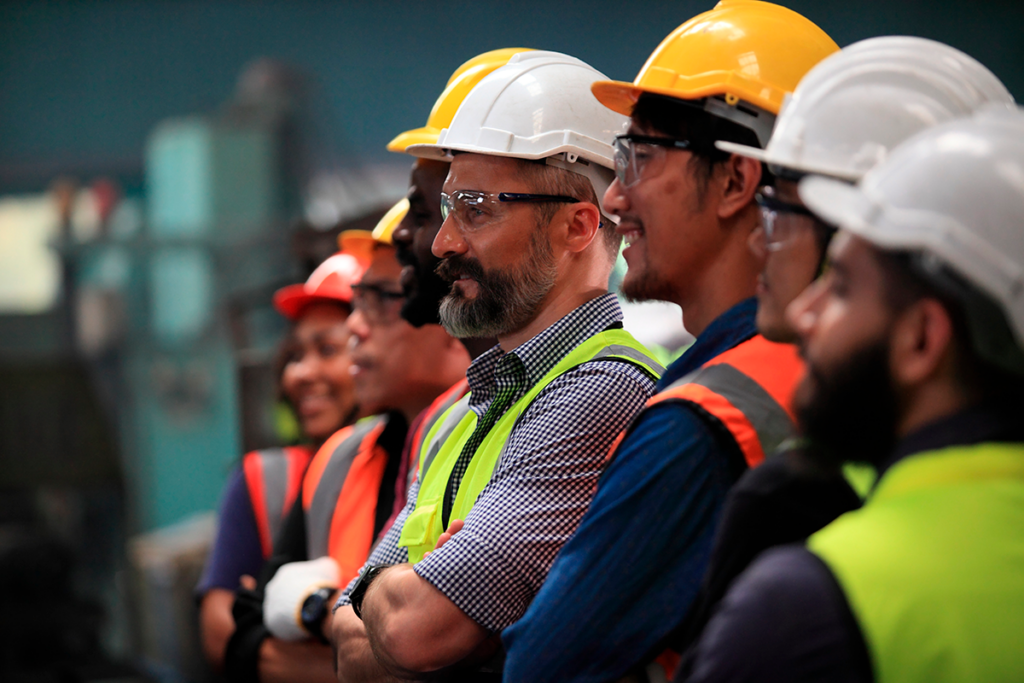
Partena's survey of 1,000 Belgian employees found that the shift from regular to flexi-job was taking place mostly among manual workers.
"More than 4 in 10 manual workers planning to take on a flexi-job in the next 12 months are considering working fewer hours in their main job as a result, compared with 10.2% of civil servants and 19.2% of white-collar workers", says Caroline Lefaible, Chief Operating Officer at Partena Professional.
For Engelaar, the shift is a symptom of a bigger challenge.
"The fact that full-time workers are tempted to scale back their permanent job to take on a flexi-job, because they then have more left over after tax, shows just how badly workers need a higher income," he argued.
"Purchasing power is under severe pressure. Tinkering with automatic indexation or raising prices through higher VAT is irresponsible."
ABVV-FGTB have set out an alternative approach to flexi-jobs as part of their alternative budget called "Plan B."
Under their approach, employer flexi-job social contributions would be increased to the same level as those for regular employees, a move the union estimates would recover €380 million a year in lost revenue.
Alongside earning more than in their regular job, survey respondents cited other motivations, including more work flexibility (23%), gaining experience in a new sector (9%), and greater variety in their work (8.6%).
The news comes as new analysis from the National Bank of Belgium shows that over the last ten years Belgium's tax revenues have fallen short of what would be expected given economic growth, with losses attributed to tax cuts and a shift from remuneration through wages to remuneration through profits.
