The average Belgian household would now pay €1,400 more for a fixed-term gas and electricity contract than in March, according to an analysis by consumer organisation Testachats/Testaankoop.
Compareing price increases between March and November, Testachats found that price rises have been driven by a significant increase in the price of natural gas on wholesale energy markets driven by the war in Iran.
In Brussels, the average unit price for gas has more than doubled, moving from 5.47 c€/kWh in March to 11.47 c€/kWh now, according to Testachats. Electricity prices have also risen sharply, with the average unit price now at 25.08 c€/kWh, up from 14.99 c€/kWh in March.
"With these price rises, it is very important to keep a close eye on your energy contract. Check whether you can find a cheaper deal and make sure you compare options carefully when your old contract expires," Laura Clays, spokesperson for Testachats, said.
Two-thirds of Belgian households rely on gas for heating, and as the colder winter months approach, Testachats has provided guidance to consumers on managing energy contracts. Roughly 21,000 Belgian consumers moved from variable rates to fixed tariffs on Saturday to beat new prices in November.
The organisation recommends that consumers coming off a fixed-term contract compare the cheapest rates on the market, explaining that while the average household pays €1,700 for electricity and €2,500 for gas each year, shopping around could reduce the total by €800 a year. However, Testachats notes that Brussels has far fewer fixed-price tariffs than the rest of the country.
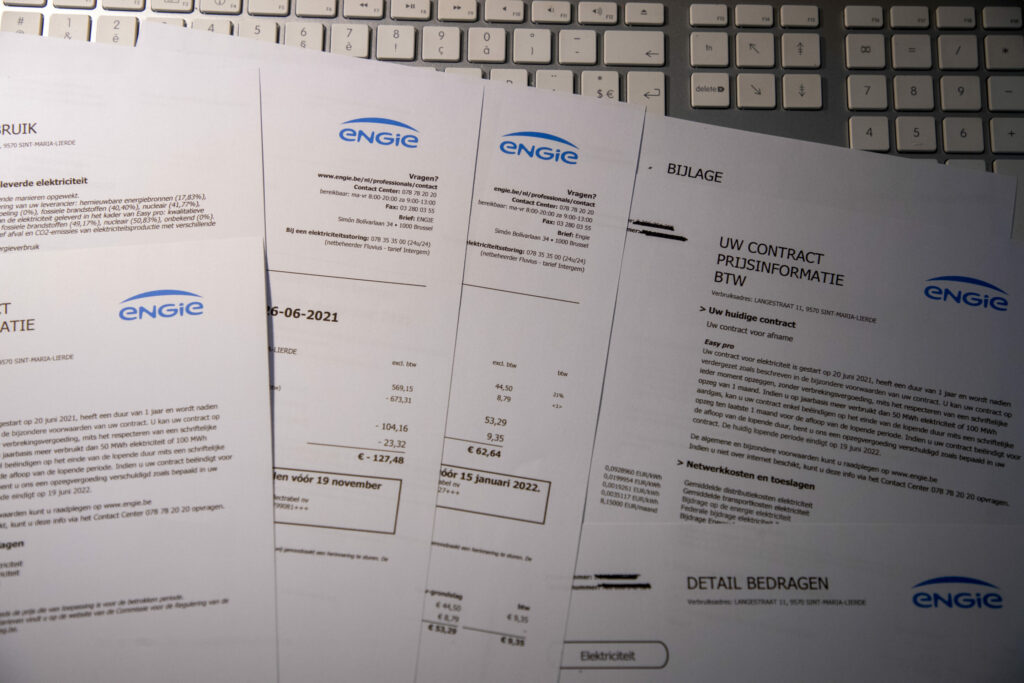
A recent survey by Testachats found that 1 in 3 Belgians have no idea what their energy deal is called, and therefore what tariff they are paying. However, new rules next year mean suppliers will have to include a QR code on every energy bill to inform consumers about the specific details of their energy contract.
