
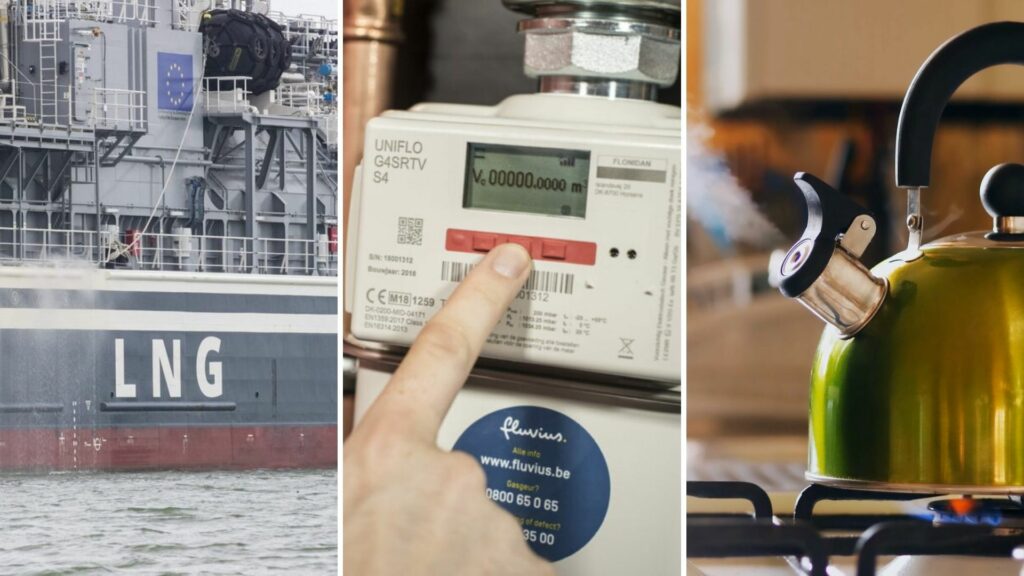
As Western heads of state waver about when and to what degree they are willing to support Ukraine's sustained efforts against Russia, Europe's battle against rampant energy costs keeps gathering momentum. The knock-out gas prices that threatened to break the bloc's industrial backbone have been curbed and perhaps even laid to permanent rest.
Though war fatigue on the continent risks costing Ukraine its independence, the energy transition that it kicked into gear is only picking up speed. Notably, gas consumption is at a ten-year low with analysts giving the nod that we can now let out a sigh of relief. Prices have been falling for successive months and with Europe moving into a warmer season, there's no reason to fear the energy death grip of 2022, when natural gas soared to €342/MWh.
Not only have LNG storage facilities been enlarged and filled, Europe's stomach for this hydrocarbon has been fastened with a gastric band. The roll-out of renewables is making strides and attitudes towards nuclear have U-turned as the case for a concentrated source of zero-emission electricity is now incontestable.
Moreover, household habits have shifted as looming energy bills pushed us to take a cold look at our usage – an uncomfortable process but one that has made us far more wary of the impact of just a couple of clicks on a thermostat. Added to this, the value of home improvements in the name of efficiency is now clear, with Belgium even tying rental indexations to a satisfactory energy performance certificate.
This isn't to say that we've gone off Russian gas altogether. Now in liquified form since the Nord Stream pipelines pumping the gas across the Baltic Seabed were mysteriously ruptured, liquid gas comes by the shipload to Belgium – the third-largest importer globally. It's a situation that has been branded arch-hypocrisy as Europe continues to fund the Russian war effort. But despite the regrettable arrangement, Europe isn't yet ready to go cold turkey on the imports.
Free from the existential dread that hangs over Ukraine, many Belgians will instead be wondering if now is the ideal moment to switch energy contracts. Are you celebrating? Let @Orlando_tbt know.
Belgium in Brief is a free daily roundup of the top stories to get you through your coffee break conversations. To receive it straight to your inbox every day, sign up below:
1. The left surges in Brussels in latest polls
A new poll has shown the Workers Party (PTB-PDVA) is the most popular party in Brussels, closely followed by the Belgian Greens who have frog-leapt the French-speaking liberals Mouvement Reformateur (MR). Read more.
2. European gas demand at 10-year low but Russian LNG imports stay high
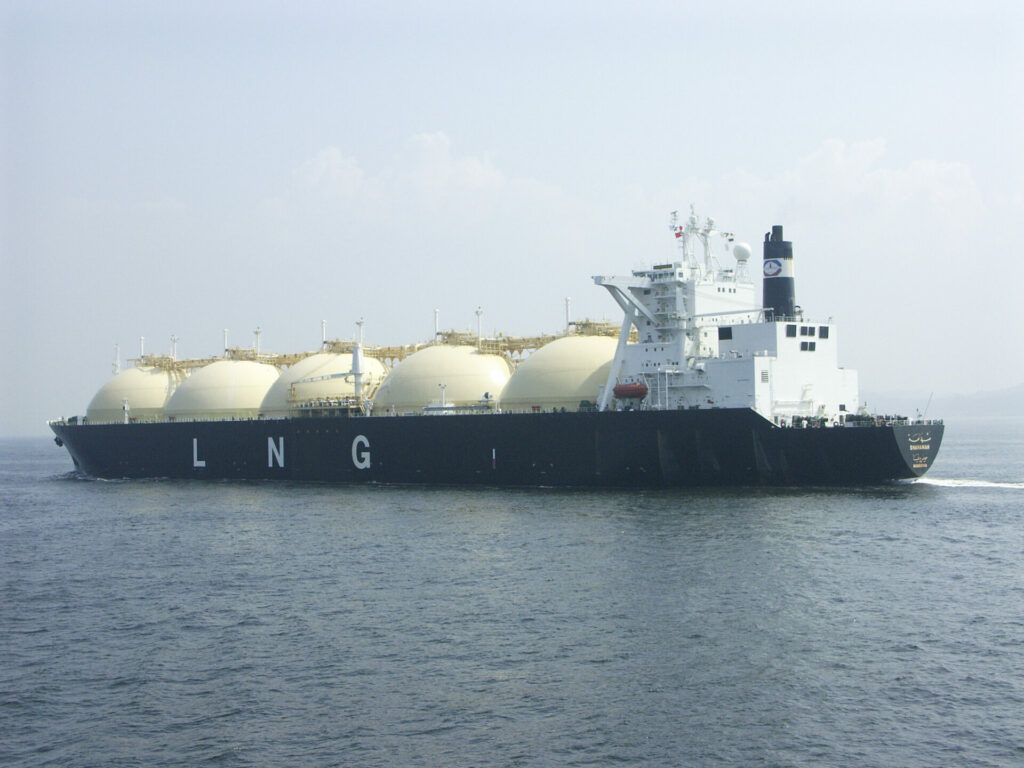
Europe's gas consumption in 2023 fell to a ten-year low, however the continent continues to import significant quantities of Russian liquefied natural gas (LNG), according to research from IEEFA (Institute for Energy Economics and Financial Analysis). Read more.
3. 100 years of Belgian surrealism: Brussels organises two major exhibitions
As surrealism is celebrating its 100th anniversary this year, Brussels is celebrating it with two exhibitions on Belgium's famous avant-garde movement – both opening today. Read more.
4. Brussels Airlines announces three-day strike next week
Brussels Airlines' cabin crew have announced a three-day strike with the support of the trade unions CNE and ACV Puls. Read more.
5. The battle over e-scooters: Brussels takes action against Voi and Lime
The Brussels-Capital Region had planned to slash the number of shared vehicles on the city's streets. However, a clash between the government and two e-scooter operators has put a spanner in the works. Read more.
6. Storm Louis: Gusts up to 110 km/h, code orange for wind in Brussels
Storm Louis will be passing over Belgium in the coming hours, bringing winds of up to 110 km/h locally. Code orange has been issued for seven provinces and the Brussels-Capital-Region. Read more.
7. Traffic disturbance expected on Monday with new tractor demonstration in Brussels
Farmers will again roll into Brussels with their tractors on Monday 26 February. Police have warned that traffic problems will likely occur across the region as a result as several roads and tunnels will be closed. Read more.
