

Medical professionals across the country are striking today against planned reforms within the healthcare sector. The disruption to services in Brussels is relatively limited, with emergency care guaranteed.
Several doctors, general practitioners, and other specialists including dentists will not be working between 8:00 and 18:00 as part of an action called by the Belgian Association of Medical Unions (ABSyM-BVAS).
ABSyM called for a strike in response to reforms proposed by Health Minister Frank Vandenbroucke (Vooruit) in June. The draft measures target, among other things, the contracting model, additional medical fees, the process to suspend a practitioners’ medical number, and financial interventions by the National Institute for Health Insurance (INAMI).
According to the ABSyM, the reforms threaten doctors' autonomy and will put pressure on hospitals, impacting the quality of services and waiting times.
Support for the union’s position is expected across the country through service disruptions and symbolic gestures.
Cancelled appointments
At UZ Brussel less than 5% of doctors are participating, while less than 10% of doctors at H.U.B hospitals are striking, although some medical specialities are impacted more than others.
Similarly, at CHU Saint-Pierre and CHU Brugmann, most of the care and emergency services will continue as normal on Monday.
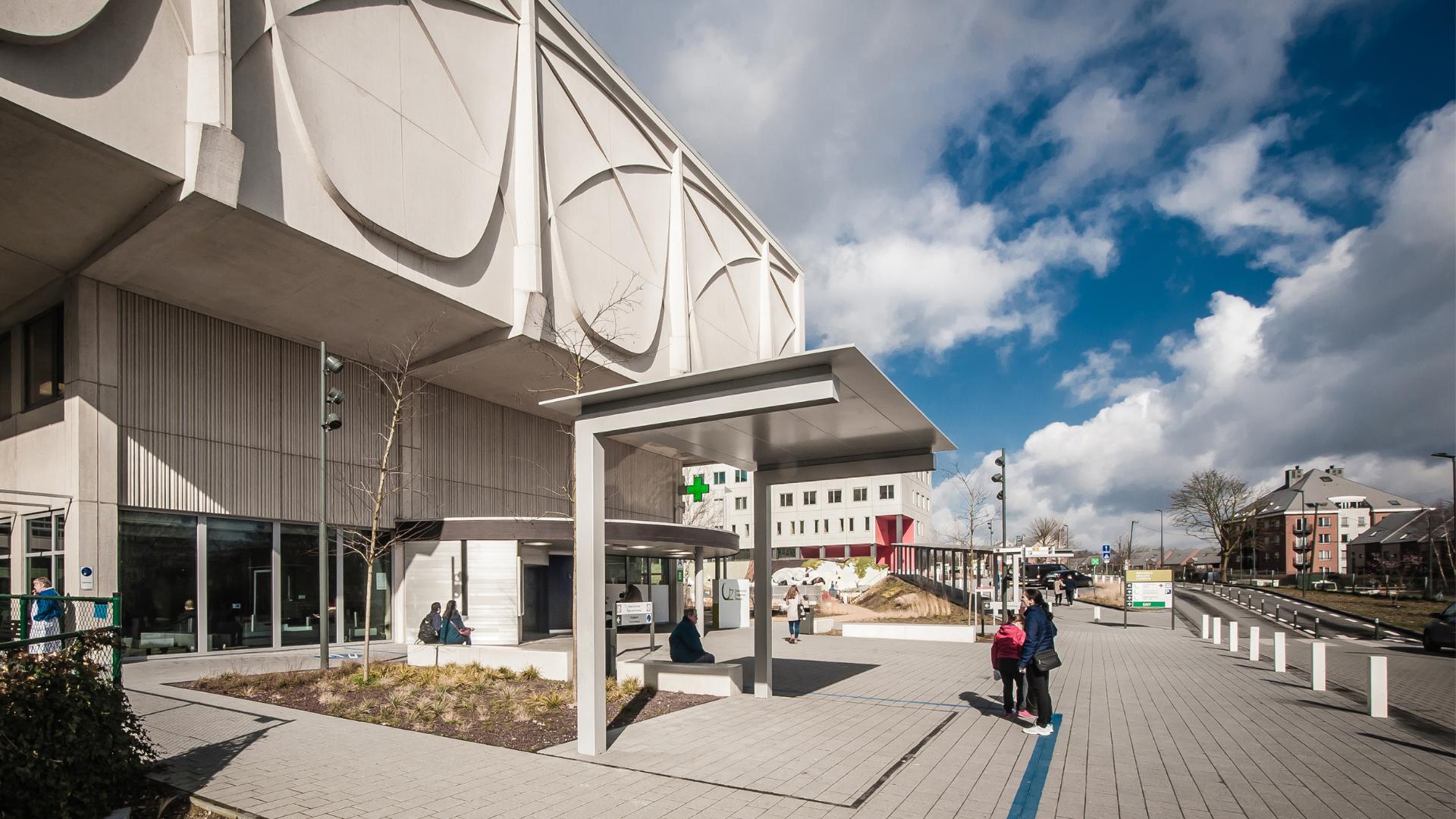
UZ Brussel. Credit: Bart Moens
In some cases, doctors who are not striking will show their support for the movement through symbolic gestures. At CHU Brugmann, a "symbolic action" is planned for 9:00 at the entrance of the hospital. Doctors will also wear armbands and put up banners.
At H.U.B. sites, doctors will wear symbols to show support for the movement. "They are doing this so as not to interrupt or postpone appointments, but also to emphasise the need to continue dialogue and avoid a strike, which remains a last resort," said H.U.B. spokesperson, Louis Dijon.
In other parts of the country, the impact is varied. At AZ Delta, in West Flanders, around half of the doctors will participate in the strike, according to Belga News Agency. Meanwhile at UZ Gent, the support for the action will be purely symbolic, with services continuing as usual.
Mixed reactions
Several hospitals have echoed the concerns regarding the measures. H.U.B.'s spokesperson emphasised that while there is a need for a reform of the healthcare system, the hospital is concerned with Vandenbroucke’s approach regarding additional medical fees. This refers to fees that can be charged on top of the official rate.
"At the H.U.B., more than 8 out of 10 patients receive care without any additional fees," he said, stressing that reforming the fee model would lead to a loss of funding for hospitals.
"No one will be well if hospitals are weakened, and we already know that 80% of hospitals are in deficit," he added.
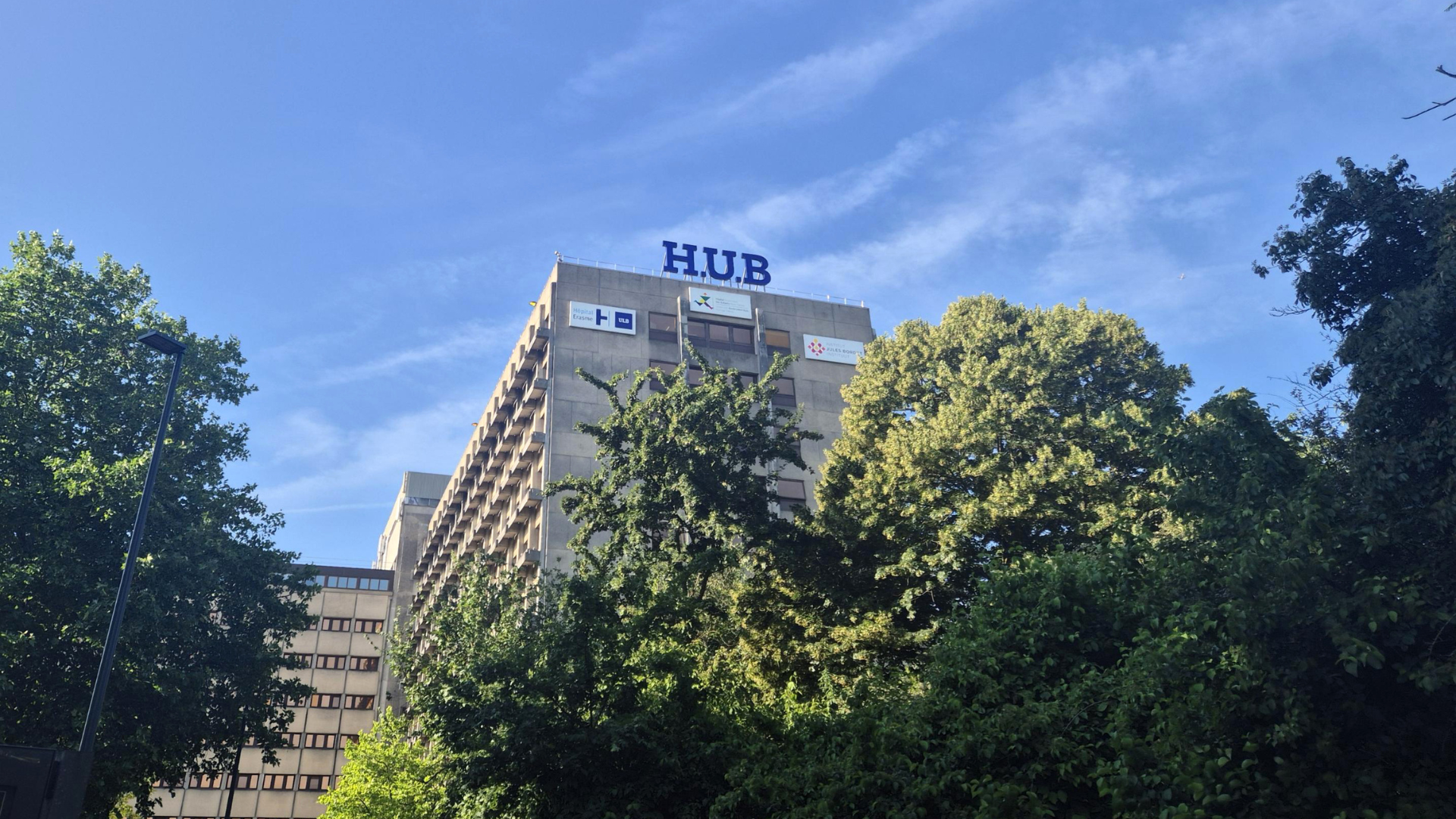
A H.U.B. building. Credit: Belga
Despite the wide-reaching support for the strike, not all healthcare stakeholders agree with ABSyM’s (re)action. The Federation of Medical Centres publicly opposed the strike, stating that the measures are the first step in a reform that is "absolutely necessary" to guarantee fair and accessible healthcare.
Meanwhile, Domus Medica, a union for general practitioners, has had a more moderate reaction to the bill and the strike. The union reiterated Thursday that it was not participating in Monday’s action, but would instead continue to focus on negotiations with the minister.
Amendments & dialogue
Last week, on Thursday evening, the health minister met with INAMI, mutual health insurance, ABSyM, and other representatives of doctors and dentists to discuss an amended version of the proposed reforms.
According to Domus Medica, eight main revisions were made and it was reiterated that all parts of the proposed bill remain negotiable.
Nonetheless, speaking to Belga, the ABSyM president, Patrick Emonts, said the revisions did not fully meet his union’s requirements. "A quick read shows that even if the amended text meets some of the demands made by the medical unions, they remain insufficient overall and difficult to implement in practice."
For Vandenbroucke, while the concerns within the sector are understandable, change is still needed. "The healthcare sector is under pressure [...] That is precisely why we must continue to invest, but also reform the healthcare system," he told The Brussels Times.
However, the Health Minister emphasised the need for continued dialogue. "What is important today is that in-depth consultations continue," he said. "Consultation is important in order to build these reforms on solid foundations."
A meeting between Vandenbroucke and union representatives is scheduled for Friday.
Related News
- Expats in Belgium: How to book a medical appointment in any language
- Funding issues bar development of cancer treatments during pregnancy
- How to access mental health support in Brussels – Even without insurance
This article was updated at 14:11 on 8 July to include a reaction from Minister Frank Vandenbroucke.
