
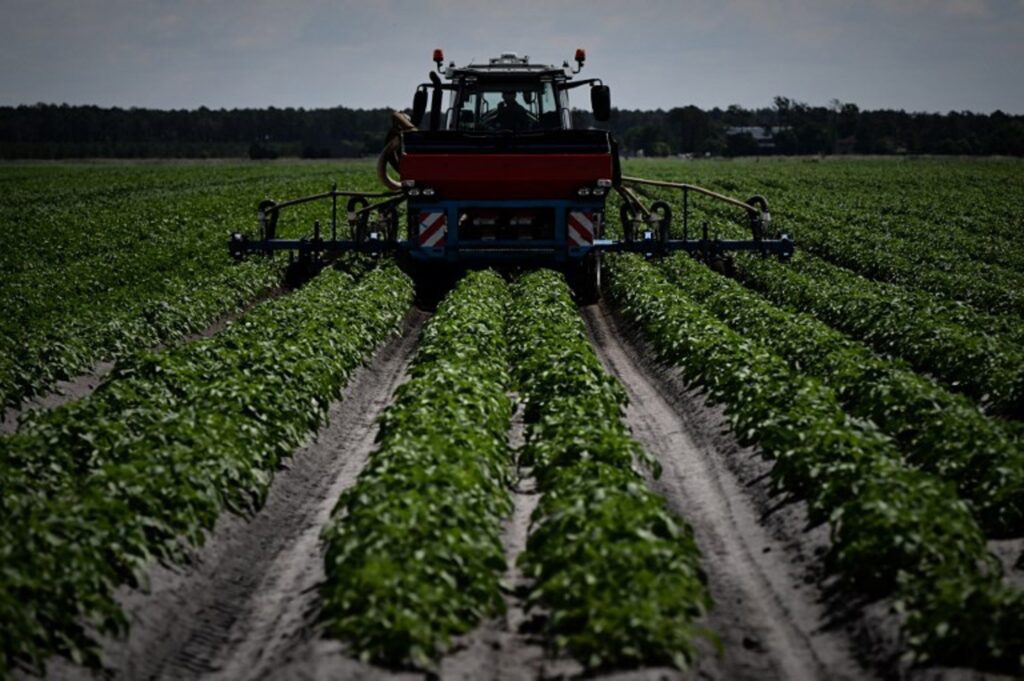
Belgium was the second-largest exporter of banned pesticides within the European Union in 2024, behind Germany, according to a new report.
Over 16,000 tonnes of banned pesticides were exported from Belgium, the report by Public Eye and Unearthed states.
Across the EU, nearly 122,000 tonnes substances, banned from use within Europe, were sold abroad last year – a 50% increase compared to 2018.
These chemicals, banned due to their proven dangers, can still be legally produced in the EU for export to countries such as those in Mercosur (Argentina, Brazil, Paraguay, Uruguay) and the United States.
Among the substances exported are dichloropropene, a pesticide banned in the EU since 2007 and used in fruit and vegetable farming, and fipronil, an insecticide prohibited in 2017 for its harmful effects on pollinators.
Olivier De Schutter, former UN Special Rapporteur on the Right to Food and current UN Rapporteur on Human Rights and Extreme Poverty, condemned this practice as “unacceptable” and labelled it “environmental racism”.
Related News
- Belgium's tap and bottled water 'drinkable, but be vigilant' - Testachats
- 10,000 farmers expected in Brussels for EU-wide protest on 18 December
- More and more pollinating insect species under threat in Belgium
- Wallonia moves to improve residents' health by enhancing the environment
- Wallonia residents exposed to over 50 pollutants, study shows
- Cycling caravan against pesticides to set off from Brussels
