
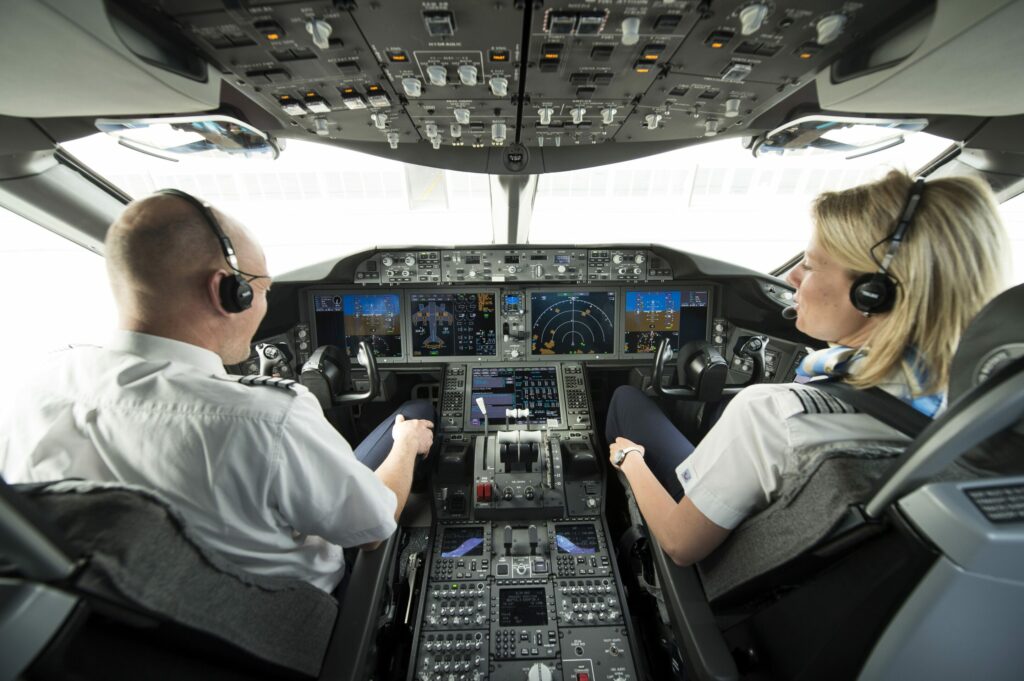
Air safety in Europe is at risk, as a major Belgian study has found that pilots and cabin crew at European airlines are afraid of making safety-related decisions that go against management orders amid increasing work pressure and cost-cutting across the entire sector.
Safety has "systematically been weakened" in recent years, according to the research by Ghent University (UGent). The study involved nearly 7,000 pilots and cabin crew members. Many of them reported that they were exhausted and felt too intimidated to challenge management decisions.
"We expected pressure on staff to be high for the low-cost carriers, but we were surprised by how widespread the trend was across the entire aviation sector, including among traditional carriers," Yves Jorens, one of the study’s authors, told The Brussels Times.
When the staff was questioned about their (mental) health and whether they felt that airlines cared about their personal wellbeing, 68% of all crew fell below the positive threshold for mental health, while 78% said that they felt "dehumanised."
Nothing but a number
More staff feel like this in low-cost carriers and in wet-leasing situations (when airlines lease aircraft, including cabin crew, from other airlines or leasing companies for short periods), but it is increasingly notable with traditional carriers as well. "They feel treated like a number, nothing more," Jorens said.
Additionally, a generation of senior pilots who have now left the sector has been replaced by younger and cheaper workers, who are more likely to accept too flexible, precarious contracts – weakening their ability to uphold standards, the research showed.
"We also found that many people are afraid to report and do not (dare to) push back against decisions that feel potentially unsafe," Jorens said. A previous UGent study from 2014 found that 82% of pilots said they felt able to modify instructions for safety reasons.
Now, that figure has dropped to 50%. "That means that one in two pilots are essentially telling us that they do not feel like they can independently take action for the sake of safety if it goes against a prior management order."
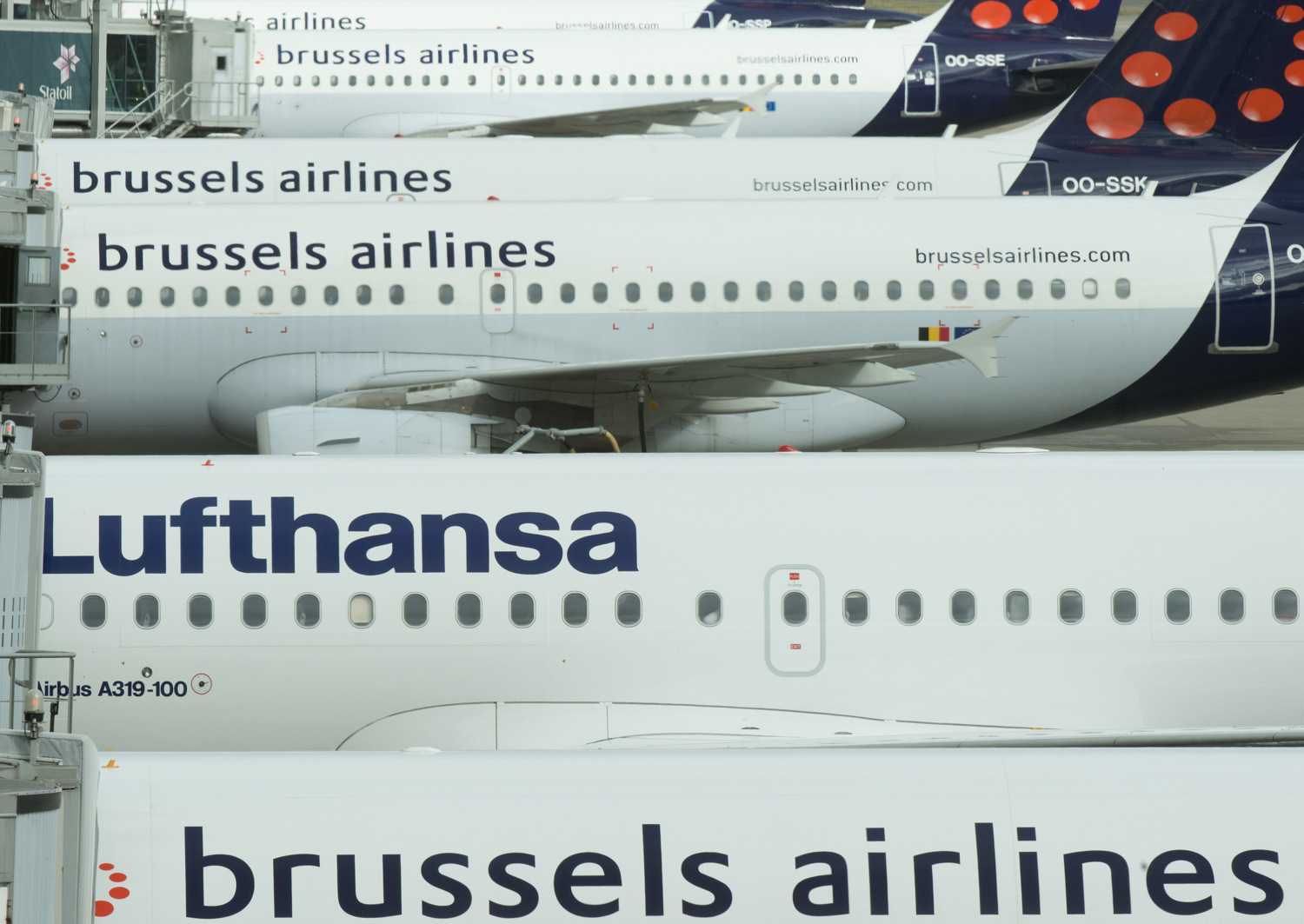
Illustration image of traditional carriers Lufthansa and Brussels Airlines aeroplanes at Brussels Airport in Zaventem. Credit: Belga / Benoit Doppagne
"Pilots have the authority to override decisions based on safety objections, but if they say the pressure from the airline or their employment situation is too high, we have a big problem," he said.
Proving a causal link is difficult, but this increases the risk of accidents or, in the most extreme cases, even crashes in the long run. "The risk, of course, is that we have to wait until a serious accident occurs before action is taken," Jorens said.
Fortunately, no accidents that can be linked to this phenomenon have happened to date. "You cannot prove the causality between a plane crash and the pilot's feelings of well-being at work, but it is undoubtedly a contributing factor. And that factor has increased in recent years."
Swiss cheese
The growing dominance of low-cost carriers and a powerful bounce-back in air travel after the Covid-19 pandemic (which accelerated a decline in working conditions) means that aircraft staff are under pressure to work longer shifts, with fewer opportunities to rest.
Participants referred to the current system as a "Swiss cheese model," saying that "extra holes were being poked in the safety layers" for financial reasons – "leaving the final barrier to accidents dependent on chance and luck rather than robust protection."
As a result, nearly half (42%) of all surveyed crew members said that scheduling is prioritised over safety by their management, said Jorens. "Flight time limitations (FTLs) are limits for the maximum time a person can fly without rest. But we have found that many airlines treat these more like a target than a maximum."
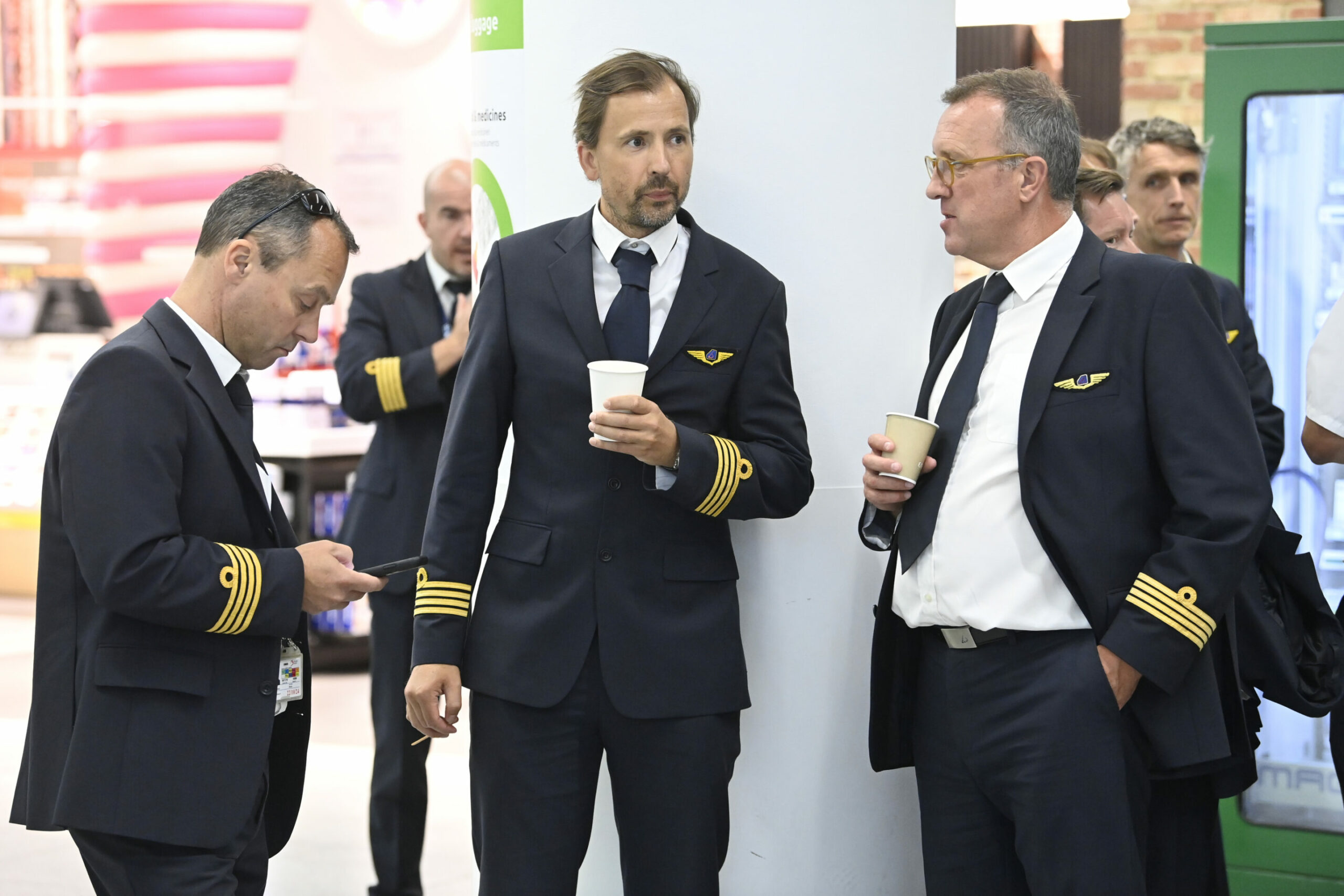
Brussels Airlines pilots on strike against the mounting work pressure in June 2022. Credit: Belga / Eric Lalmand
Meanwhile, fatigue is a big problem among staff, who indicated that they often feel that they cannot ask for time off or rest when they feel unwell or tired. "Approximately a third of pilots and nearly 50% of cabin crew sometimes hesitate to say they are unfit to fly."
Additionally, the focus for the cabin crew's work is shifting away from centring the safety of passengers and towards in-flight sales. "They have to sell travellers as much as possible, which creates role conflict, psychosocial strain, and legal ambiguities."
"While commercial pressures may make such practices attractive for airlines, they come at a cost to worker wellbeing, safety standards and professional integrity," Jorens said.
Keeping staff on board
The study proposed a number recommendations to change this trend. The biggest one is urging policymakers at the EU-level to take these findings into account when they are making decision. "Negotiations to transform the base of air travel in Europe have really gained momentum now, so they should seize the moment."
The researchers also propose to bring more clarity about regulations, around wet leases, for example. "There is no need for an outright ban on the practice, but we need stricter rules. For flight time limitations as well," Jorens said.
"In addition to clear rules, we are also asking for a mechanism to be established through cooperation between the EU policymakers and the airlines," he said. "This is the only way to create fair and sustainable aviation. Too many people are leaving, and this is the only way to keep them on board."
The Brussels Times approached the International Air Transport Association (IATA) for comment, but did not receive a reply by the time of publication.
