
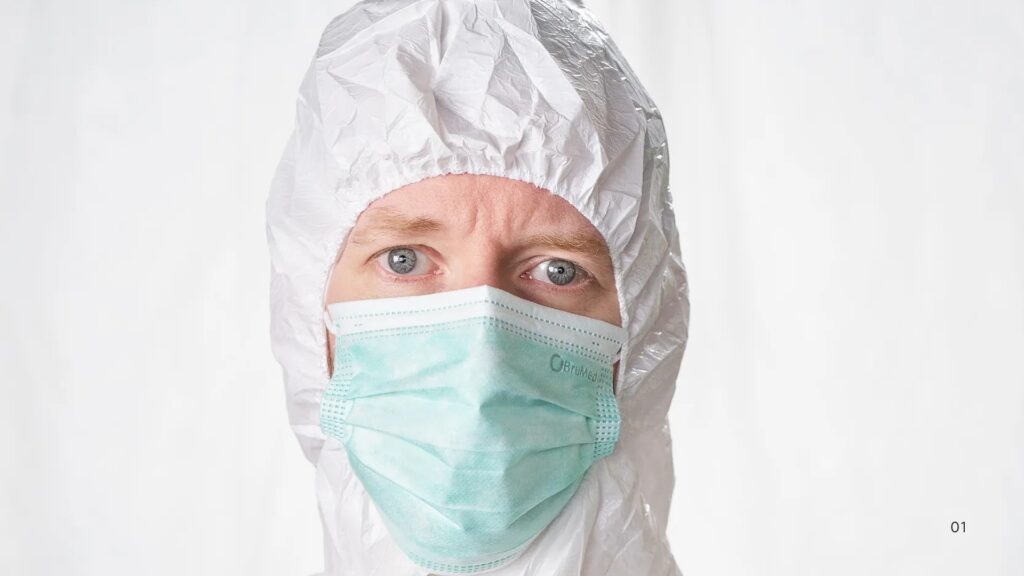
Forensic pathologist Dr Gregory Schmit has examined evidence in some of the most high-profile and tragic deaths in Belgium.
He spends his days piecing together how people died, and his nights entertaining a crowded cabaret.
'It was the first time I had to deal with a situation of that scale'
When Schmit's phone rang early on Tuesday, 22 March 2016, he was reaching for his morning coffee. But there was no time for breakfast that day.
Belgium had just suffered the deadliest terrorist attack in its history. Thirty two people were killed and 340 were injured in the coordinated bombings of Brussels Airport and Maelbeek metro station.
"I was told to come immediately," he recalls. "It was the first time I had to deal with a situation of that scale."
Schmit performed all 32 post-mortem examinations of the attack victims, helping prosecutors gather and follow evidence.
He never imagined this would be his path when he began studying medicine in 2000. Back then, forensic medicine was not en vogue. "I wanted to be a vet," he laughs.
It was a television report that introduced him to the discipline and ignited his interest.
By 2004, he had joined his future mentor, Dr Frédéric Bonbled, then Belgium's leading forensic pathologist, as an assistant.
In 2007, they worked together on one of the country's most disturbing tragedies, the case of Geneviève Lhermitte, a teacher of French and history who tried to take her own life after killing her children.
Schmit was summoned to assist in the post-mortem examinations. "I remember not feeling overwhelmed or shocked," he admits. "That's when I knew this was what I was called to do."
'Once I put on my PPE, it's business'
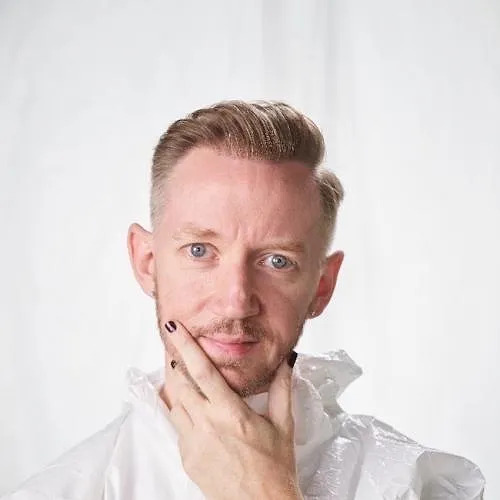
He makes it clear that post-mortem examinations are not a brutal act. "Once I put on my PPE, it's business," he says. "Getting the job done, without being affected by it."
Forensic medicine, long misunderstood as a grim niche, extends far beyond the morgue. Schmit also examines living victims of assault, rape, or alleged negligence, where a single millimetre on a report can determine whether justice is served or not.
However, Belgium's forensic system is suffering. In 2007, Brussels had six forensic doctors; today, there are only three, and they also cover Walloon Brabant. All are overwhelmed with work. Nationally, the number has dropped from 42 to 22 since 2000.
Roughly 2% of deaths in Belgium are autopsied - far below the EU's recommended 10%. With scarce resources and judicial backlogs, countless cases slip through the cracks. He estimates that up to 15 per cent of homicides may go unnoticed, around 70 to 80 deaths every year.
"It's not just about the dead," Schmit insists. "It's about truth." He gives a memorable example of the detective work that is involved in forensics.
Two bodies lie on the pavement beneath a high-rise. The police suspect a man caught cheating who decided to jump, together with his mistress. The man is dapper, wearing a hat and gloves. The woman lies beside him in a silk Victoria's Secret nightgown and hotel slippers. Something doesn't fit.
"The story didn't match," Schmit says. He examined the injuries. The woman had jumped. The man, a passerby on his way to church, had been struck by her falling body. He died instantly.
"You never take the first version as gospel," Schmit says. "Only material evidence tells the truth."
'It's someone's family member'
Schmit cares about each individual case he has taken up. "It's someone's family member," is what he keeps in mind with each assessment.
When on call, Schmit can be summoned at any hour, day or night. "Some weeks, three calls. Others, five in a day," he says.
When he's not in the field, he's poring over medical files or writing reports that get read aloud in court. He testifies about a dozen times a year in murder or torture trials, often facing defence lawyers who try to unpick his conclusions.
His salary, however, is the same as that of any other doctor at Saint-Jean Clinics, regardless of the number of cases handled.
Belgium's forensic pathologists work under the authority of prosecutors or investigating judges, rather than the police. But collaboration on-site is constant. "We work closely with officers, but we stay independent," he insists.
His first steps at a crime scene follow a ritual: ask the five Ws - What, Where, Who, When, Why - then begin with precision before assumption, and evidence before narrative.
And yet, outside the morgue, another kind of stage, far from that of the courtroom, awaits him.
Clarika
It's a Friday night in Brussels' Saint-Jacques district. Behind the bar at Chez Maman, the crowd waits. Upstairs, in a narrow dressing room, Schmit, now barefoot, wearing a hat and tennis shoes, sits before the mirror.
On the table: foundation, highlighter, lipstick, lashes. A blonde wig rests on a mannequin head, ‘coiffed for the gods’ as drag queens will say. He shaves, blends, brushes. The transformation is almost surgical.
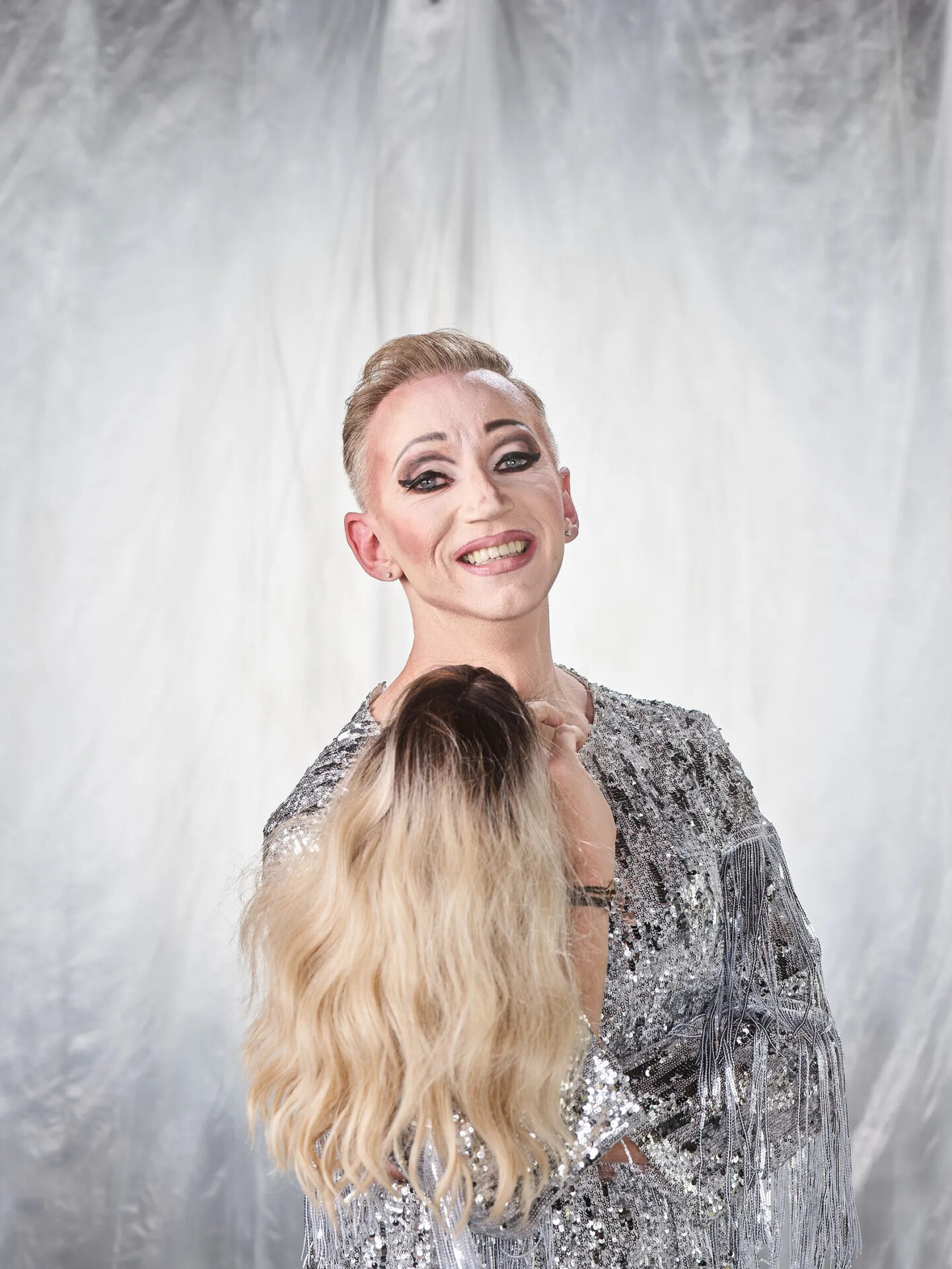
Downstairs, music swells: 'Wrecking Ball' by Miley Cyrus. When Clarika finally steps into the light - sequins, heels, and a perfectly timed smile - the room erupts.
"Clarika is my hobby," he says later. "I've always loved theatre. It makes me feel good. But I don't do political drag; it bores me to bits."
In an era when drag has become a vehicle for protest, Schmit's alter ego is resolutely old-school: pure entertainment.
Once or twice a month, for the joy of it. "I'm not hiding it," he adds. "My social media is open. Prosecutors, police officers, and students have all come to see me. There's even a book about me: Doctor Queen."
He laughs a lot - the gallows humour of someone who spends his days among the dead and his nights among the living. "Although I help judge Belgium's crimes," he says, "Clarika has never felt judged."
Both roles demand precision. Grégory and Clarika share an intimacy with transformation; one reconstructs truth from bodies, the other reinvents it from performance.
When Schmit is examining, he dons gloves, a mask, and a gown. When Clarika takes the stage, it's still gowns - but these are sequinned. Both are costumes; both forms of armour.
"The job is unpredictable and relentless," he says. "But Clarika helps me breathe again."
