
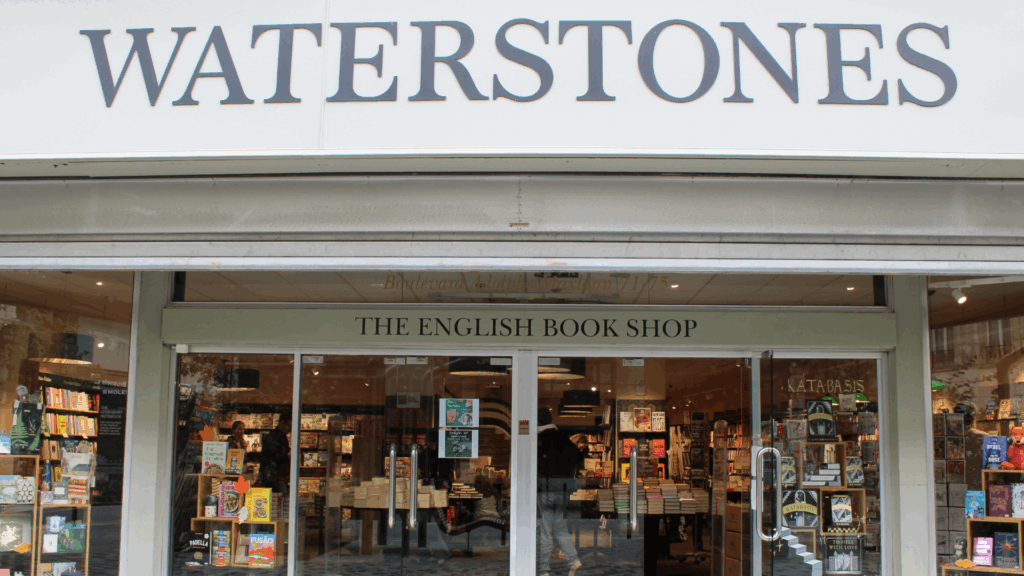
The Boulevard Adolphe Maxlaan in Brussels has been home to an English bookshop for longer than many would think.
In the 1920s, the British retailer W.H.Smith set up shop in that very street, making its name in the capital with its tea-room and selection of books, magazines and stationery.
After the liberation of Brussels by Allied Forces in 1944, the previously occupied shop reportedly became an officer’s mess - a place for meals or social activities for military officers.
The spot officially became part of the English bookshop chain, Waterstones, sometime in the 1990s, according to fiction buyer Ian Elders, who insisted I fact-check him when we sat down to discuss the season’s bestsellers back in September.
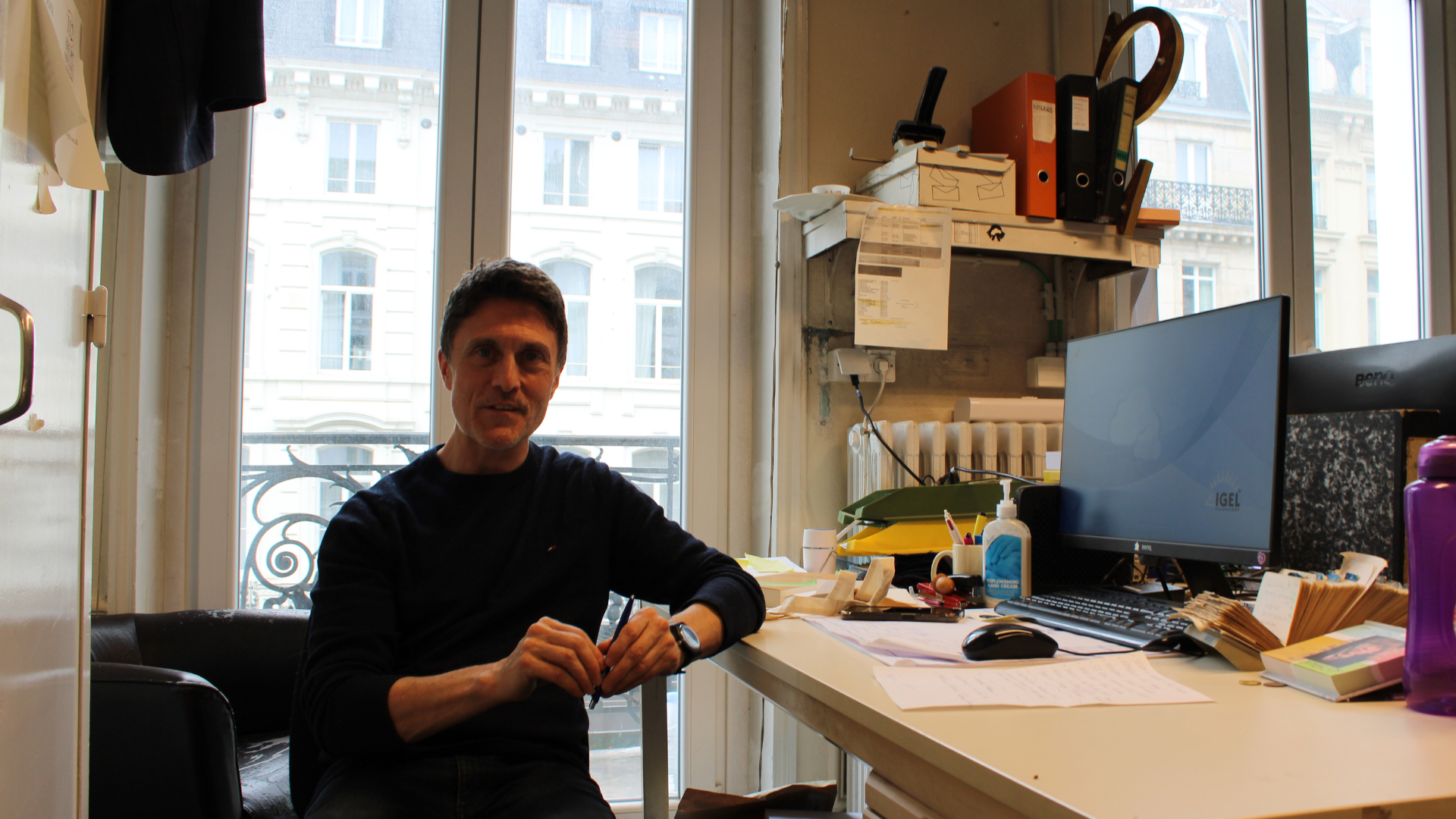
Ian Elders. Credit: The Brussels Times/Rita Alves
Originally from Dublin, Elders has spent the last 18 years working at Waterstones, which was, for the record, established in Brussels in 1997.
“I had been living here already…maybe six years before that, doing bits and pieces. And I've always been a huge reader…so it's something that I applied for and I just got,” he said.
With almost two decades of experience in the industry in his back pocket, Elders has seen Waterstones go through it all: from the brief 'threat' of the Kindle, to the ongoing bureaucracy of Brexit, or the increased competition from the World Wide Web.
While the complicated logistics of international deliveries have seen the sale of newspapers and magazines dwindle over time at the shop, Waterstones still counts on regular visits from customers, almost 30 years since it opened.
The success of the shop is in part due to a post-Covid readership boost among young people, according to Elders.
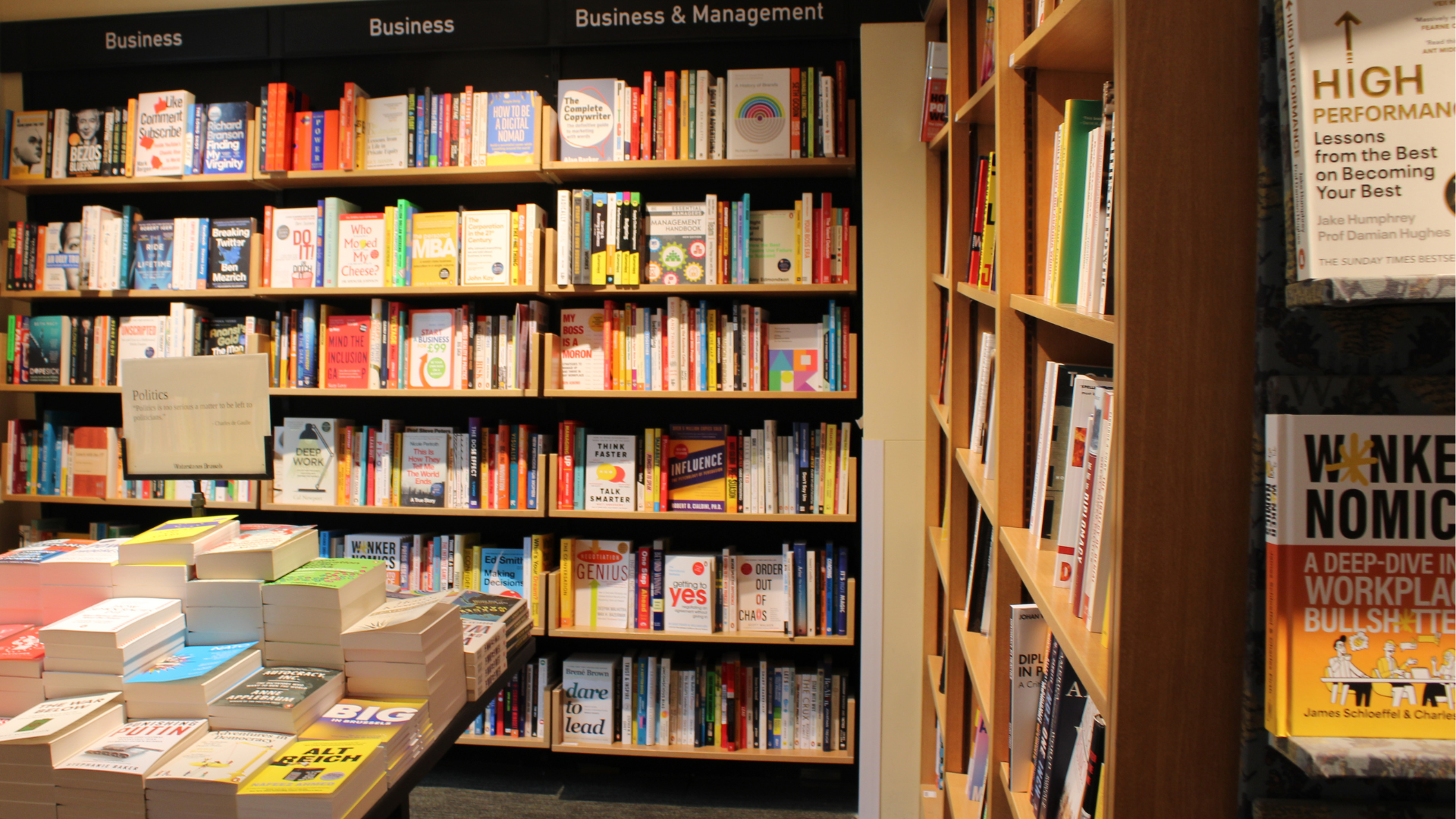
Inside Brussels' Waterstones. Credit: The Brussels Times/Rita Alves
“Once things got up and running after Covid again, it was very much a different business,” he said. “We went from a bookshop that catered to more middle-aged people, and sold a lot of books on finance or history, which we still do, but it suddenly became hugely popular with very young people and like mid-teens, early 20-year-olds.”
The bookseller said the change was driven by the rise of book culture online and specifically social media, with the reading platform ‘Goodreads’ and the community on ‘BookTok’, which refers to the book-related content on the social platform TikTok.
“With the way books have been promoted online for young people, I think [physical] books are seen as a bit more cool… it's certainly seen as more of a commodity,” he said. “We're happy because these are all future readers.”
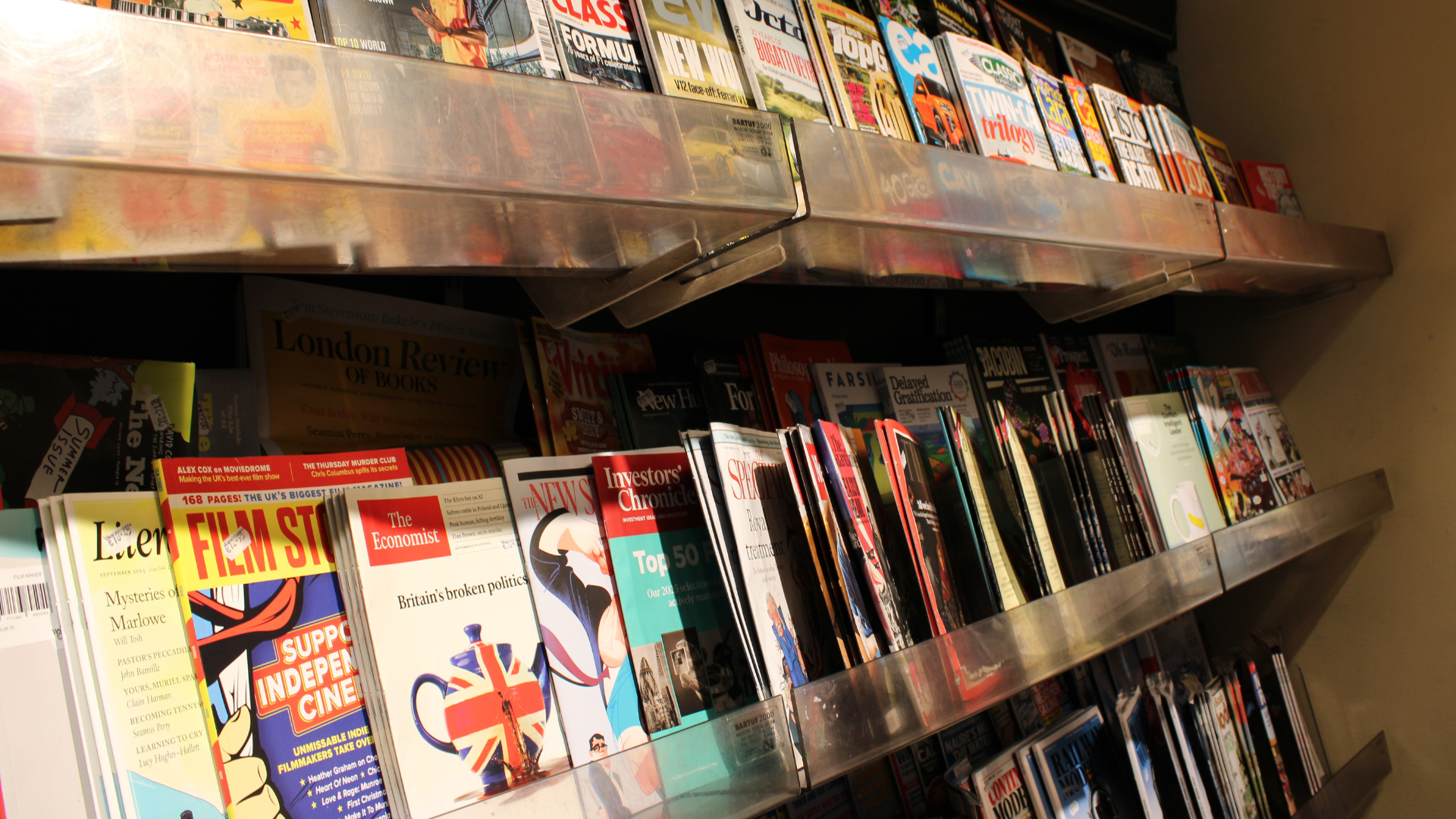
Inside Brussels' Waterstones. Credit: The Brussels Times/Rita Alves
While Waterstones is an English bookshop, it has kept a mixture of international and Belgian customers over the years. The cultural diversity of the readers adds some quirks to the business.
“English language publishers always release their bigger titles in hardback first for about maybe six months at least, which drives people mad here,” said Elders, explaining that paperbacks seem to be more common for French-language publishers.
"It's definitely the most asked question in our bookshop. 'Do you have it in paperback?'" he added.
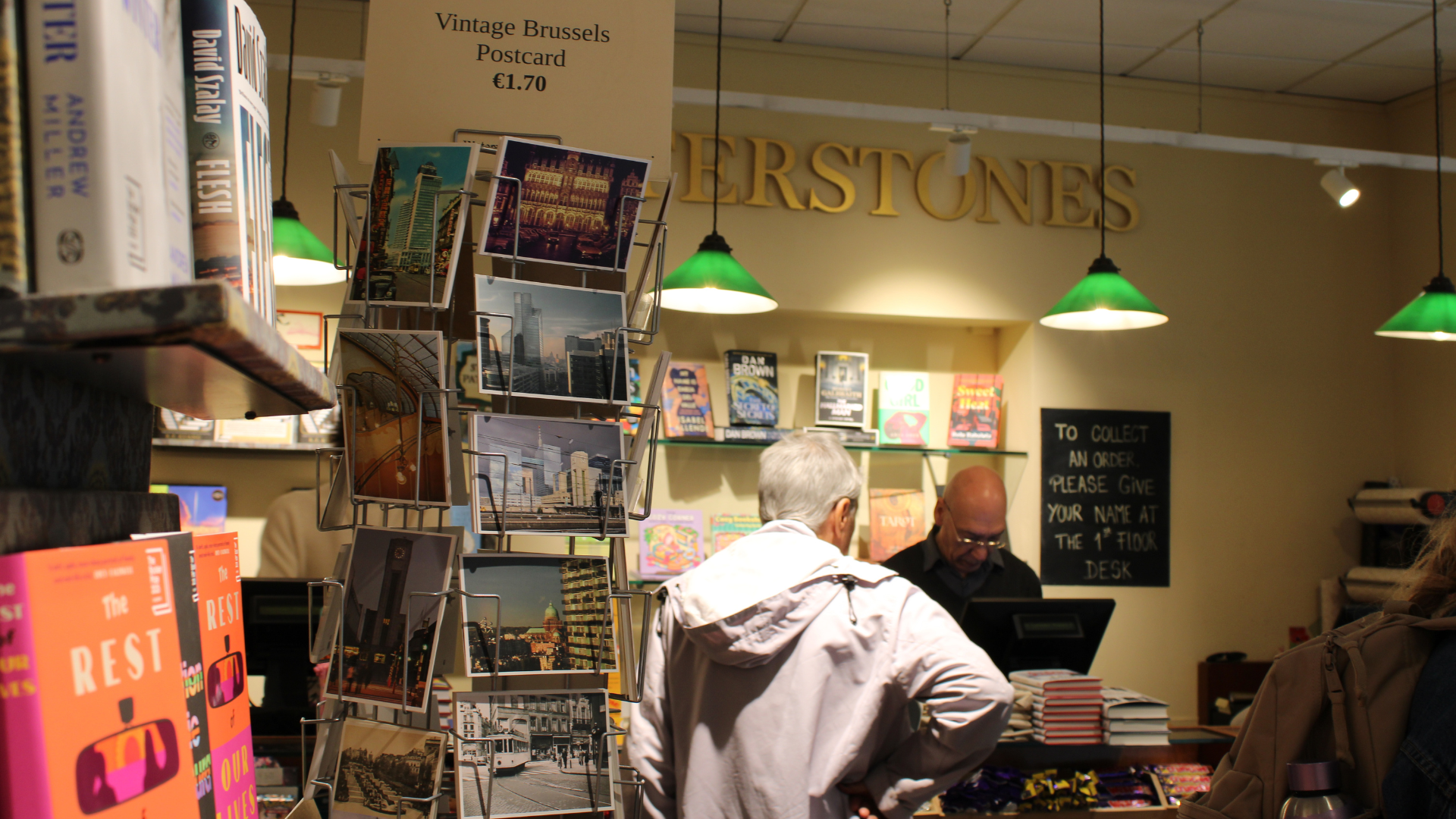
Inside Brussels' Waterstones. Credit: The Brussels Times/Rita Alves
Cultural 'shocks' aside, Elders says that the readership at the shop is in a “very safe place” at the moment.
In addition to believing that reading books is in “our DNA”, he says it certainly helps the business to have the bookshop in the exact same place where English books have been sold over the last century.
