
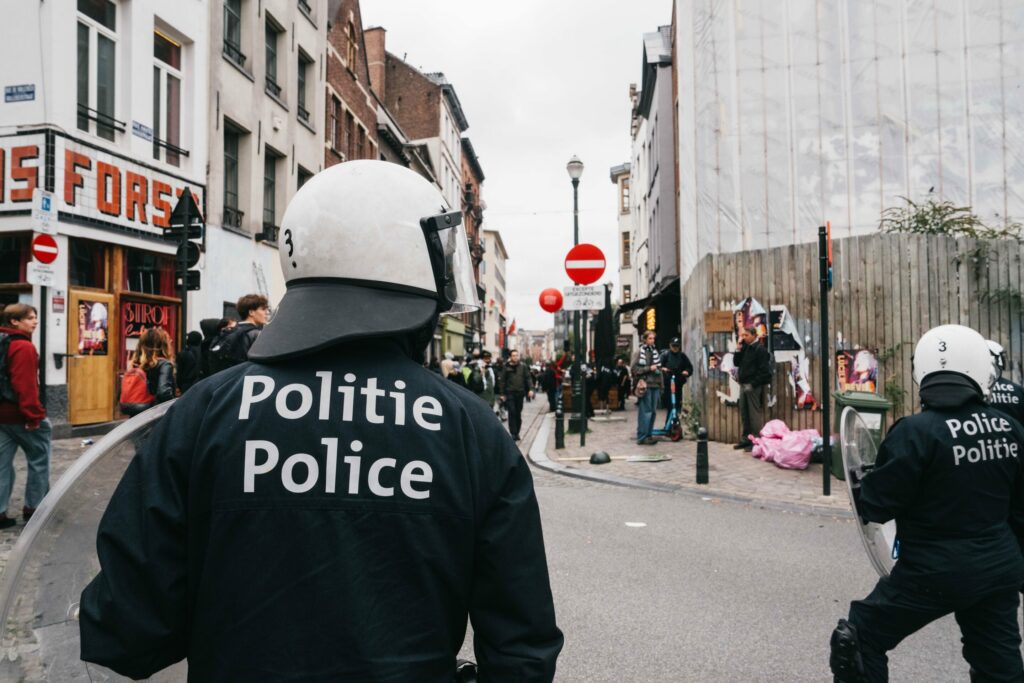
Rape, violent robbery, drug trafficking: minors committing serious offences are being released every day due to a lack of detention space for young offenders in Brussels.
After numerous cases of young people committing more crimes shortly after being released, the Brussels authorities have issued yet another plea for politicians to find the will "to finally provide the resources that the sector has been calling for more than 20 years."
"Every day, these minors who have committed offences are released due to a lack of places in institutions and a lack of resources to monitor them and prevent them from reoffending," the Brussels Public Prosecutor's Office said on Thursday.
On a daily basis, the prosecutor's office has committed to communicating the cases of young people that are being released due to inadequate investment into detention and rehabilitation services.
Repeat offender
They shared the case of a 16-year-old arrested multiple times for numerous offences.
Despite being suspected of rape of a minor, violent extortion, violent theft and possession of prohibited weapons, he was released by youth judges multiple times due to lack of space in Brussels' youth detention centres.
In November 2024, he was first arrested in a park in the Brussels municipality of Evere on suspicion of rape of a minor. He was arrested again in March 2025 assaulting someone in the street, with the victim having suffered several injuries.
In May, he was arrested for extorting €15 from a 15-year-old victim. A day later, a woman was walking along the street when she was violently assaulted by this same individual, causing her to suffer a head injury.
On 27 June, he was arrested again for violent robbery, and on 29 October he was stopped by police while being in possession of a weapon.
In all of these cases, the courts "attempted to fulfil their public interest mandate, both for the young person himself and for society, by requesting that the 16-year-old be placed in a secure juvenile detention centre."
However, the prosecutor’s office says the request could not be granted due to a lack of available youth detention places. This minor is currently 73rd on the waiting list, despite the increasing number of offences.
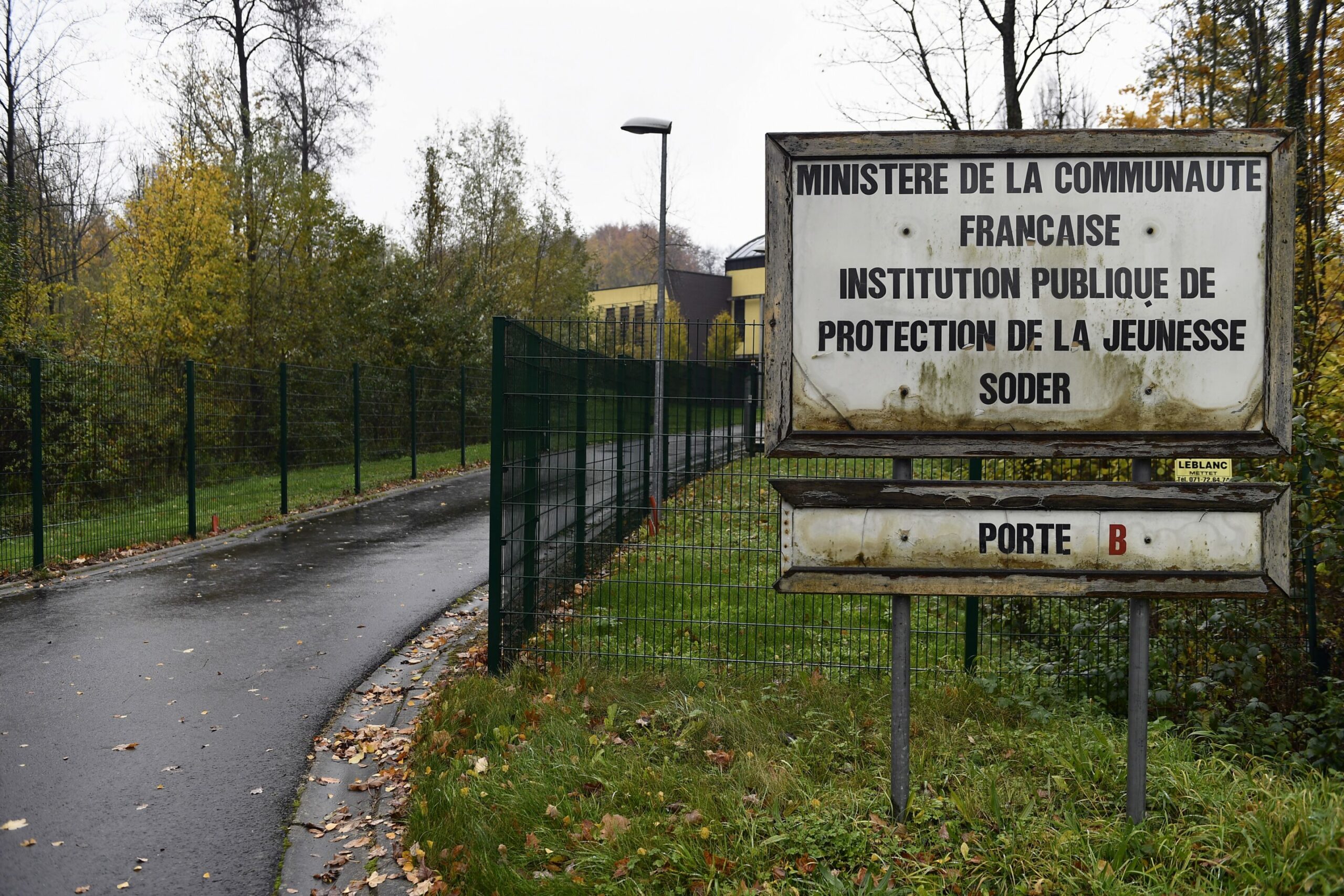
Illustration picture shows the IPPJ detention centre for youths in Braine-le-Chateau, Monday 20 November 2017. Credit: Belga / Eric Lalmand
It is not an isolated case. Another 16-year-old arrested multiple times for suspected drug trafficking offences, in association with others, was released by the youth court judge due to a lack of space in a Public Youth Protection Institution (IPPJ). This is where young offenders are held and is managed by the Francophone Community Government, which includes Wallonia.
He was first arrested on 25 October while riding a scooter, with police discovering several packets of undisclosed drugs on him. He was brought before the public prosecutor and was allowed to remain at his family home by the juvenile court judge, under certain conditions.
Two weeks later, he was arrested for drug-related offences on 9 November at the Ribeaucourt hotspot – areas known for drug trafficking – in Molenbeek-Saint-Jean.
Once again, the juvenile judge had wanted to remove him from his environment by placing him in a closed detention centre, particularly due to his repeat offences and the fact his brother is also known for drug-related offences.
After being released due to a lack of available places, the 16-year-old was stopped again by the police on the night of 12 November in a "suspicious" vehicle with another minor.
As both were already known to the police, the vehicle was searched, with officers finding a firearm cartridge. The two suspects were detained and questioned by the police, but the 16-year-old was then released.
Waiting list
Overcrowding issues are being felt across the Belgian justice system – reflecting a wider problem. There are currently more than 500 adult prisoners sleeping on the floor of their cell in Belgian prisons. Justice Minister Annelies Verlinden has called for investment of €1 billion, amid stalled ongoing federal budget talks.
These problems have been ongoing in the youth detention system too. In January, it was reported that 100 young offenders were released due to a lack of space.
Today, there are 100 minors currently waiting for a place and the list could continue to grow "due to lack of concrete action," the Brussels Public Prosecutor’s Office said.
Youth protection institutions in Wallonia and Brussels currently have a capacity of 245 places, both open and closed, with an occupancy rate that was exceeding 40% at the start of the year.
Prosecutor of the Republic at the Paris Judicial Court Laure Beccuau pictured during a press conference, Friday 28 February 2025. Credit: Belga / Hatim Kaghat
These institutions pursue an objective of social reintegration by responding to recognised needs, particularly in terms of juvenile delinquency, and by being part of an educational and restorative approach.
Furthermore, there are also no measures in Brussels (or Wallonia) for the use of electronic monitoring tags for minors. However, Flanders has been conducting a pilot since April 2024 at the Antwerp Public Prosecutor's Office, with seemingly positive results.
The issue is being looked into by the French-speaking Government, also known as the Wallonia-Brussels Federation (FWB). The measure was being looked into, but mainly for sexual offenders, the FWB Youth Minister Valérie Lescrenier told RTBF.
'Not adequately care for'
Brussels Public Prosecutor Julien Moinil, who was appointed at the beginning of the year, has sounded the alarm on multiple occasions over the lack of resources allocated to the justice system in Brussels, with knock-on effects on crime on the streets of Brussels.
There has also been issues surrounding the care of vulnerable minors, with Moinil having often drawn a link between young people at risk and the drug-related violence seen this year.
"There are young minors, extremely young, who can, for a few thousand euros, pick up a weapon of war and go kill. Sometimes under 14 years old," he said back in April.
He stressed that these individuals must be taken care of as quickly as possible. "Most of the adults we intercept during or after these shootings – and who we incarcerate because they are dangerous – are former minors at risk or delinquents. But due to a lack of resources, they are not adequately cared for."
