
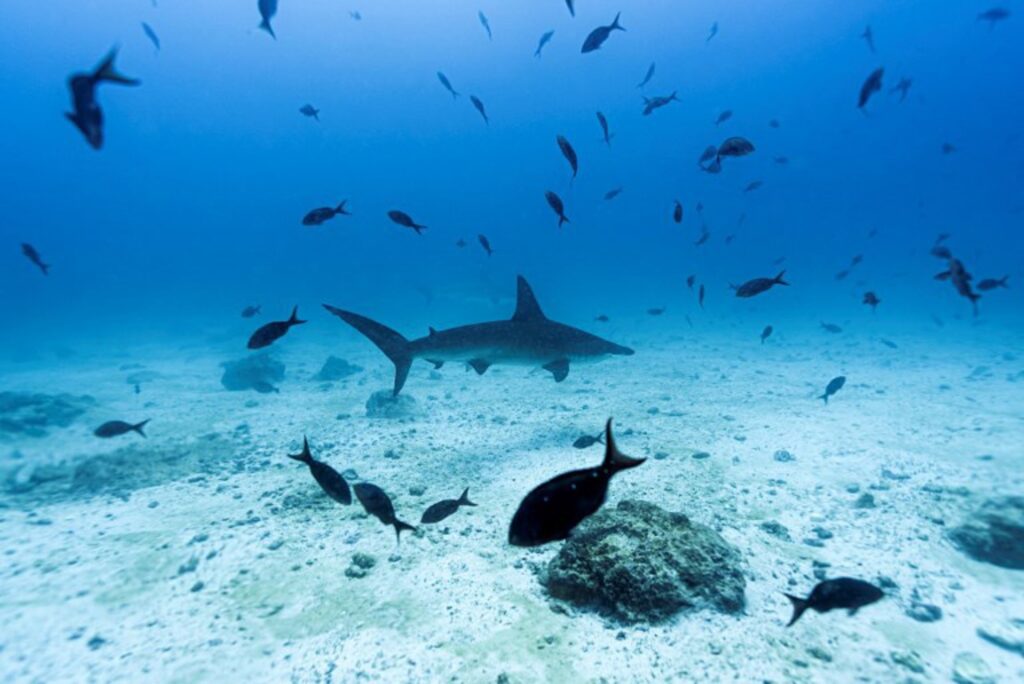
A global regulatory body approved new measures on Friday to enhance protection for over 70 species of sharks and rays.
Countries under the Convention on International Trade in Endangered Species of Wild Fauna and Flora (CITES) voted to increase regulation of trade for species such as whale sharks and manta rays.
Conservation experts welcomed the decision, noting growing threats to these species from overfishing and climate change.
Barbara Slee, programme director at the International Fund for Animal Welfare (IFAW), called the move “a historic victory for sharks.”
Scientific research highlights the urgent need to protect sharks as vulnerable wildlife rather than treating them as fishing resources, Slee told AFP.
CITES oversees the protection and trade regulation of more than 40,000 of the world’s most endangered animal and plant species.
Decisions made on Friday included banning trade in whale sharks, manta rays, and mobula rays, following a Thursday decision banning trade in critically endangered oceanic sharks.
Several other shark species saw their trade prohibited unless deemed sustainable under tightened regulations.
Proposals for shark protection were approved by consensus, signalling a positive shift in global attitudes towards these species, Slee said.
“This should mark the end of overfishing and bring renewed hope for sharks,” she added.
The International Union for Conservation of Nature (IUCN) reports that over one-third of shark and ray species face extinction risks, primarily due to overfishing.
Many are hunted for their fins, liver, or meat, while others fall victim to fishing nets targeting different species.
