
From the cost of heating to how to install solar panels, energy matters concern everyone. And oftentimes, they can be confusing.
To shine a light on these complexities, each month consumer protection organisation Testachats dives into a topic affecting customers for The Brussels Times. Previous explainers delved into energy bills, how (and when) to switch suppliers, solar panels, heat pumps, negative prices, a new type of contract and digital electricity meters.
This month, the focus is on whether now is the right time to switch to a fixed energy contract.
Why do energy prices change?
Energy prices fluctuate primarily according to supply and demand in international markets. Natural disasters or war generally lead to a reduced supply of gas and oil, and therefore a rising price.
Electricity, meanwhile, fluctuates along with oil and gas, because it is partly produced using gas.
"On top of these market fluctuations, taxes can also influence the price. For example, in Belgium, electricity is heavily taxed – making prices quite expensive," Laura Clays, spokesperson for consumer protection organisation Testachats, told The Brussels Times.
In the budget agreement reached last week, the Federal Government decided to reduce excise duties on electricity and increase those on gas. "Naturally, this will also affect the price," said Clays.
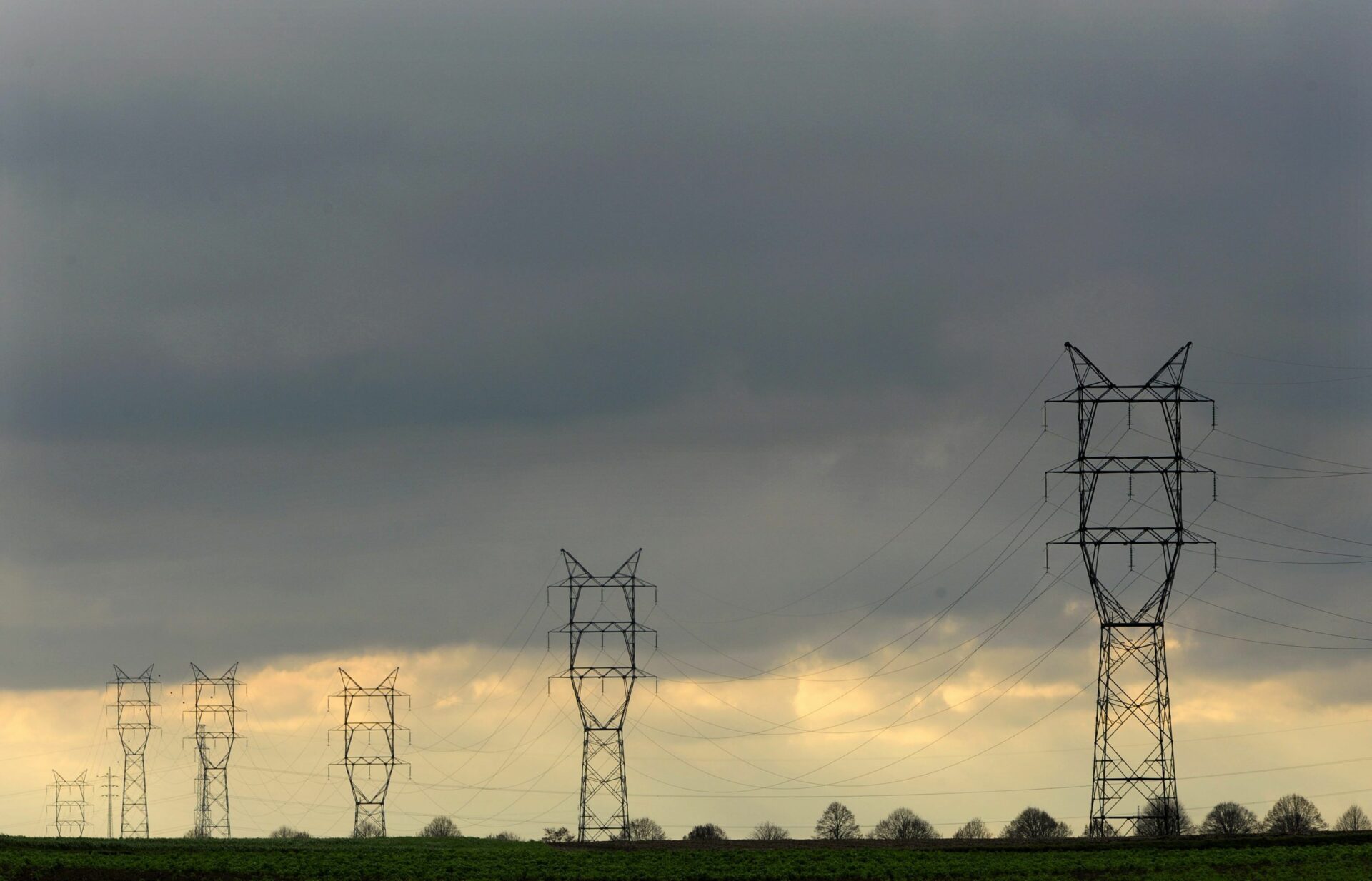
Credit: Belga/Eric Lalmand
Electricity is the most expensive form of energy, she explained. "You pay approximately €0.32 per kWh (kilowatt-hour). This average is lower in Flanders because you also have to factor in the "capacity tariff" – which is an amount you pay based on your peak consumption.
Natural gas is a considerably cheaper alternative, with consumers paying €0.07-€0.09 per kWh. "Flanders is on the lower side, Wallonia on the higher side. Brussels is somewhere in between," said Clays.
Also much cheaper than electricity is heating oil, with clients currently paying €0.08 per kWh.
How have prices evolved over the past year?
All prices have gradually decreased over the past year. While the price for one kWh of electricity was still €0.33 on 1 January 2025, it has now dropped by €0.01 on average.
Natural gas cost an average of €0.078 per kWh at the start of 2025, but dropped to €0.071 on 1 November.
For heating oil, consumers paid €0.081 per kWh on 1 January – a price which dropped to €0.078 on 1 November.
"It does not seem to have decreased by much, but considering that an average family uses about 3,000 kWh of electricity and 17,000 kWh of natural gas (if the family uses natural gas for heating), such a small drop still makes a difference," Clays said.
"The fact that electricity is so much more expensive than natural gas or heating oil does not make sense. It does not encourage consumers to become more sustainable in their transportation and heating."
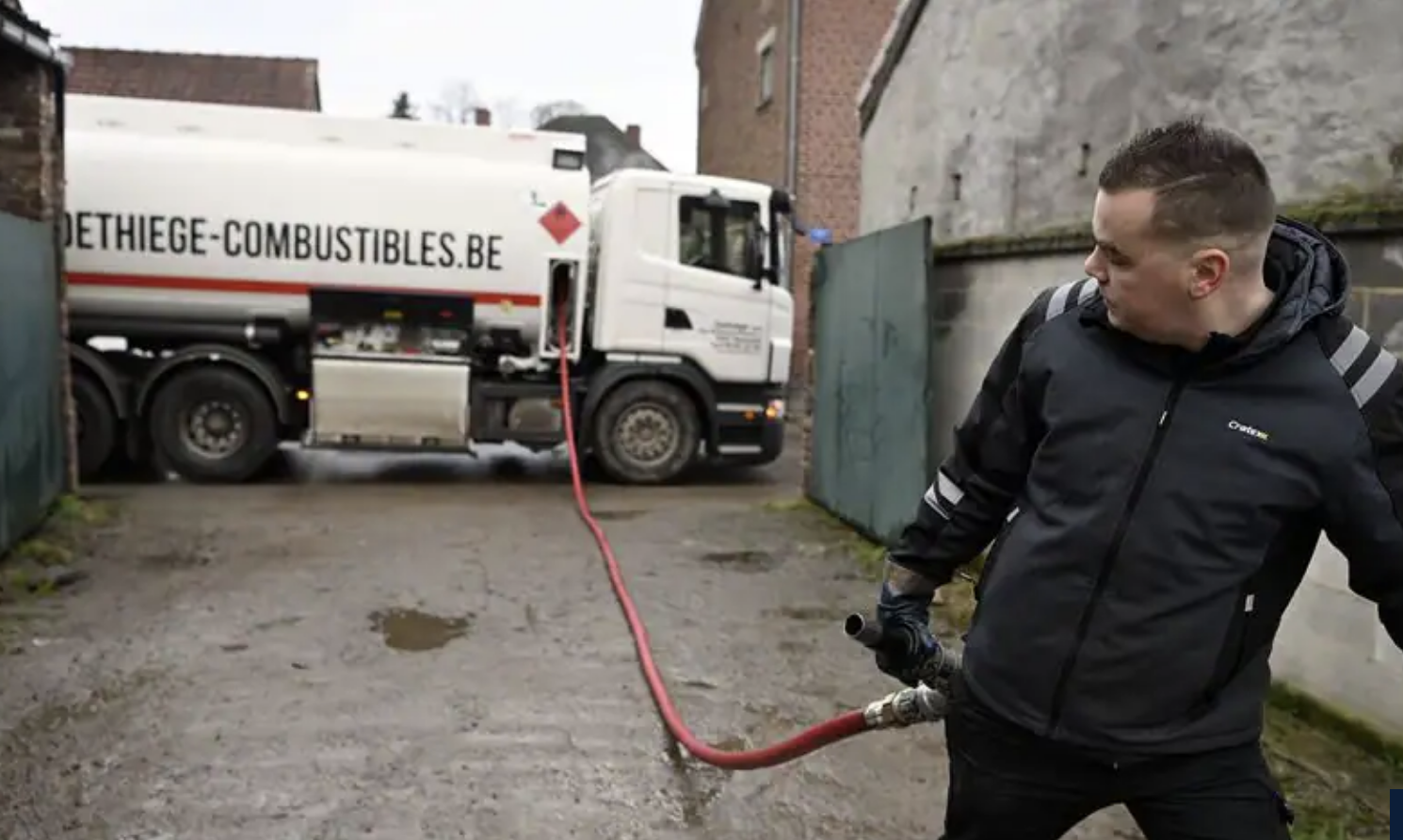
Heating oil. Credit: Belga
Heat pumps, which use electricity to heat your home, are much more energy-efficient and sustainable than natural gas. However, as long as electricity is easily four to five times more expensive than natural gas, there is little incentive for people to switch.
"The tax shift that the Federal Government is now proposing from electricity to natural gas is therefore a logical decision," Clays said. "On the other hand, it is not so easy for hundreds of thousands of families to simply switch. Such a renovation costs money and time, and apartment owners also have to agree to terms with all the landlords."
Therefore, Testachats is advocating for a framework that helps families with this transition. "Simply making natural gas more expensive and hoping that families will then install more sustainable heating systems is not an option," she explained.
Lowest prices of the year
A fixed contract is attractive because prices are quite low, but given the downward trend, they could very well be even lower next month, according to Clays.
"Such a situation is impossible to predict. Anyone looking for peace of mind can certainly sign up for a fixed contract now, and you will be able to get one at a relatively good price," she added.
However, those who want to continue saving are better off with a variable contract. They are still much cheaper; for average consumption, people pay €230 less per year with a variable contract.

Credit: Belga
"Comparison is always key, because the most expensive variable contracts will sometimes even be more expensive than the cheapest fixed contracts," Clays stressed.
Still, it is important to be careful with welcome discounts: they usually only apply to the first year, and you often have to remain a customer for a full year. "But if you adhere to the terms and conditions, you can find some great deals."
Testachats also offers special contracts with Mega. "There are no strings attached, and the rate offers the lowest price in Brussels for average consumption, for both natural gas and electricity," said Clays.
