
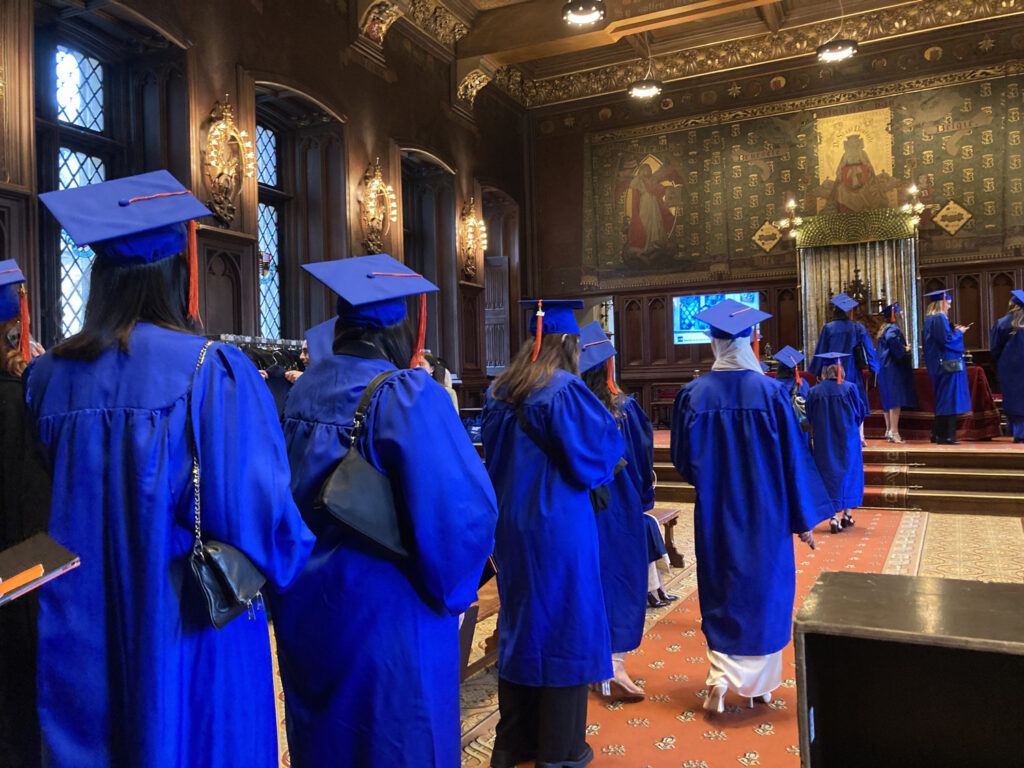
Belgian universities often feature in global rankings as among the best in the world, but students' course choices can differ between the two main language communities – even if the trends are similar.
Belgium has ten recognised universities, five of which are mainly French-language and five Dutch-speaking.
There are also around fifty other higher education institutions, such as specialised colleges and art schools, which are usually tied to one of the ten university associations.
While the number of students enrolling in the country's universities has continued to rise in recent years, the trend has not been felt to the same degree across all subjects.
As responsibility for higher education in Belgium is devolved to language communities, statistics for enrolment are split between the institutions in Flanders and those operating under the Francophone Community's authority.
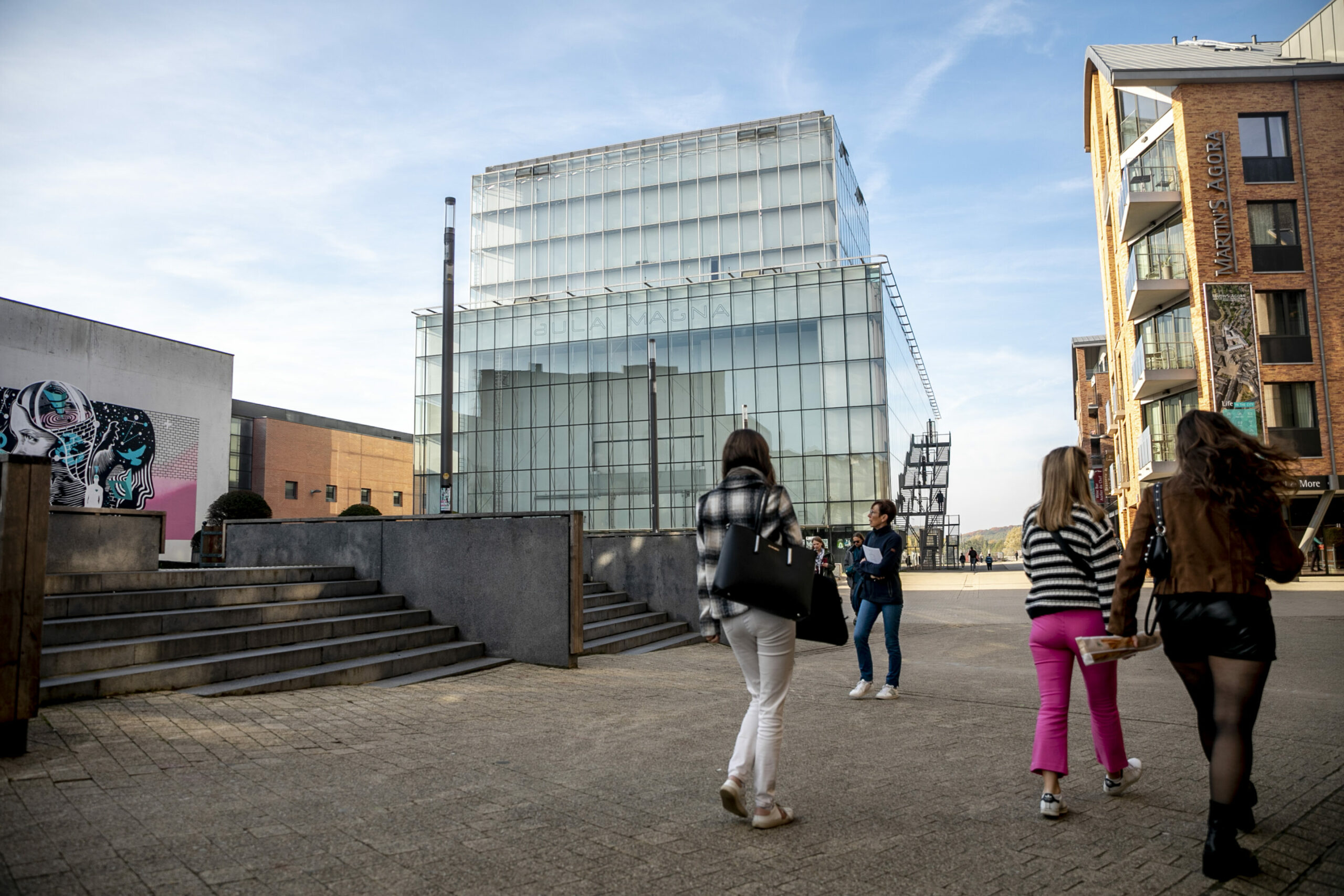
Aula Magna building of the UCLouvain university in 2022. Credit: Belga/Hatim Kaghat
An analysis of enrolment figures in recent years shows that economics and law courses have generally been the most popular across both language communities in terms of enrolment numbers.
There has been a slight decline in the number of students taking science courses, while arts and social sciences have consistently ranked among the least popular subjects.
Social sciences lead way in French Community
The last detailed statistics for the Francophone community were released in the 2022/23 academic year, where a total of 251,330 students enrolled in higher education at French-speaking institutions.
Out of that number, 118,570 were full-time students at one of the Fédération Wallonie-Bruxelles (FWB)’s five universities (ULB, Louvain, Mons, Namur, and Liège). The FWB is the local name for the French Community.
Just over half of university students were enrolled in social sciences courses, with the most popular being in economics, with 16,239 students.
This was closely followed by psychology and then law courses, which were the only other social sciences to exceed 10,000 students in the 2021/22 term. There were just over 9,000 enrolled on political science courses, while 5,336 were studying languages, literature or translation.
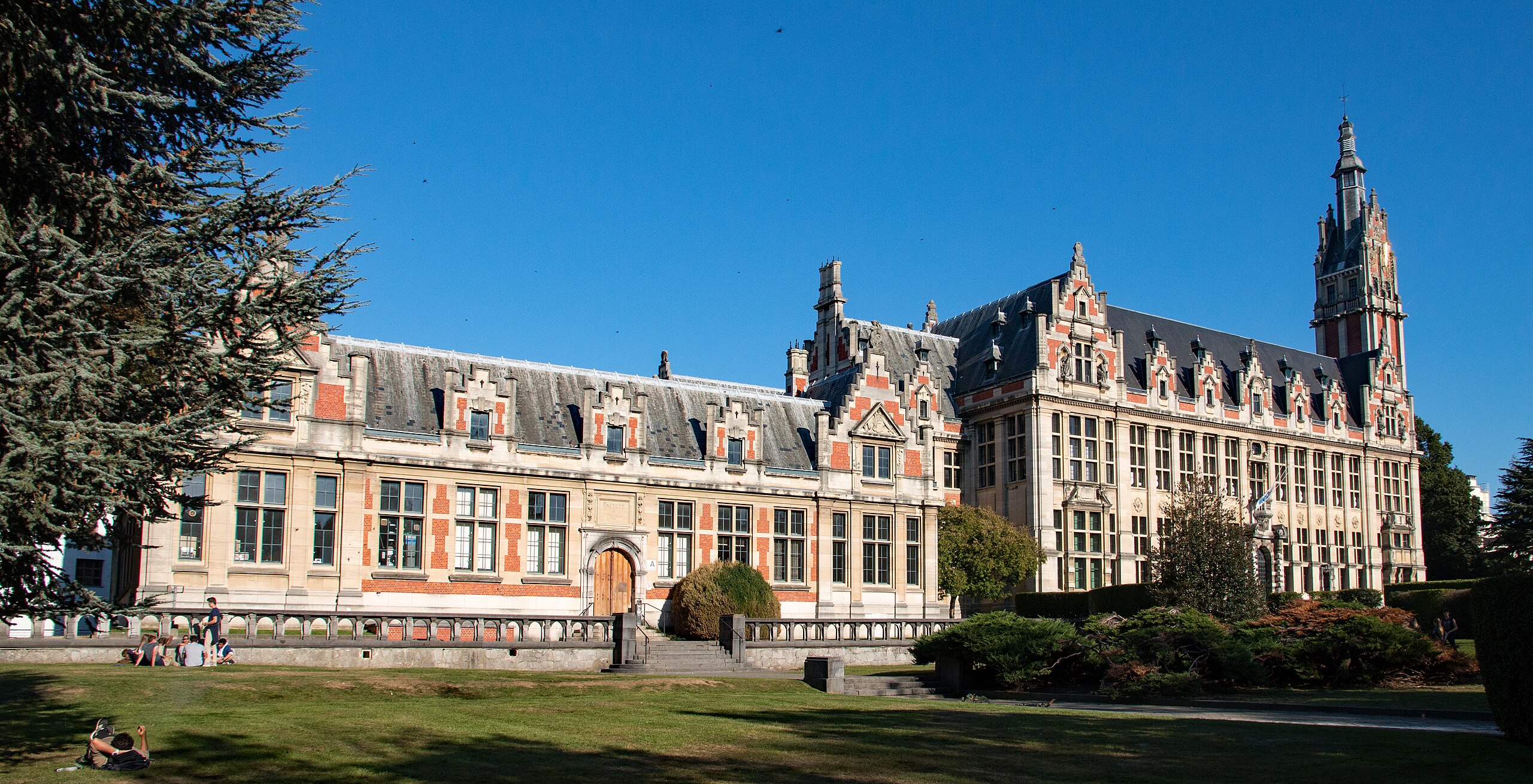
The French-speaking Free University of Brussels (ULB)
Outside of social sciences, two other categories of courses reached five figures in terms of enrolment numbers. These were subjects coming under the “medical sciences” umbrella category, as well as the sciences at 10,453.
The fewest sign-ups came in art programmes, with only 35 students across the language community studying the subject, and in theology courses, which had 124 students.
However, the courses which saw the greatest increase in sign-ups since the 2014/15 school year were those covered under the "scientific and technical" sector, with numbers rising by 37% to a total of 25,682. In the arts, the number of students has decreased by 9%, while enrolment for social sciences courses has increased by 33%.
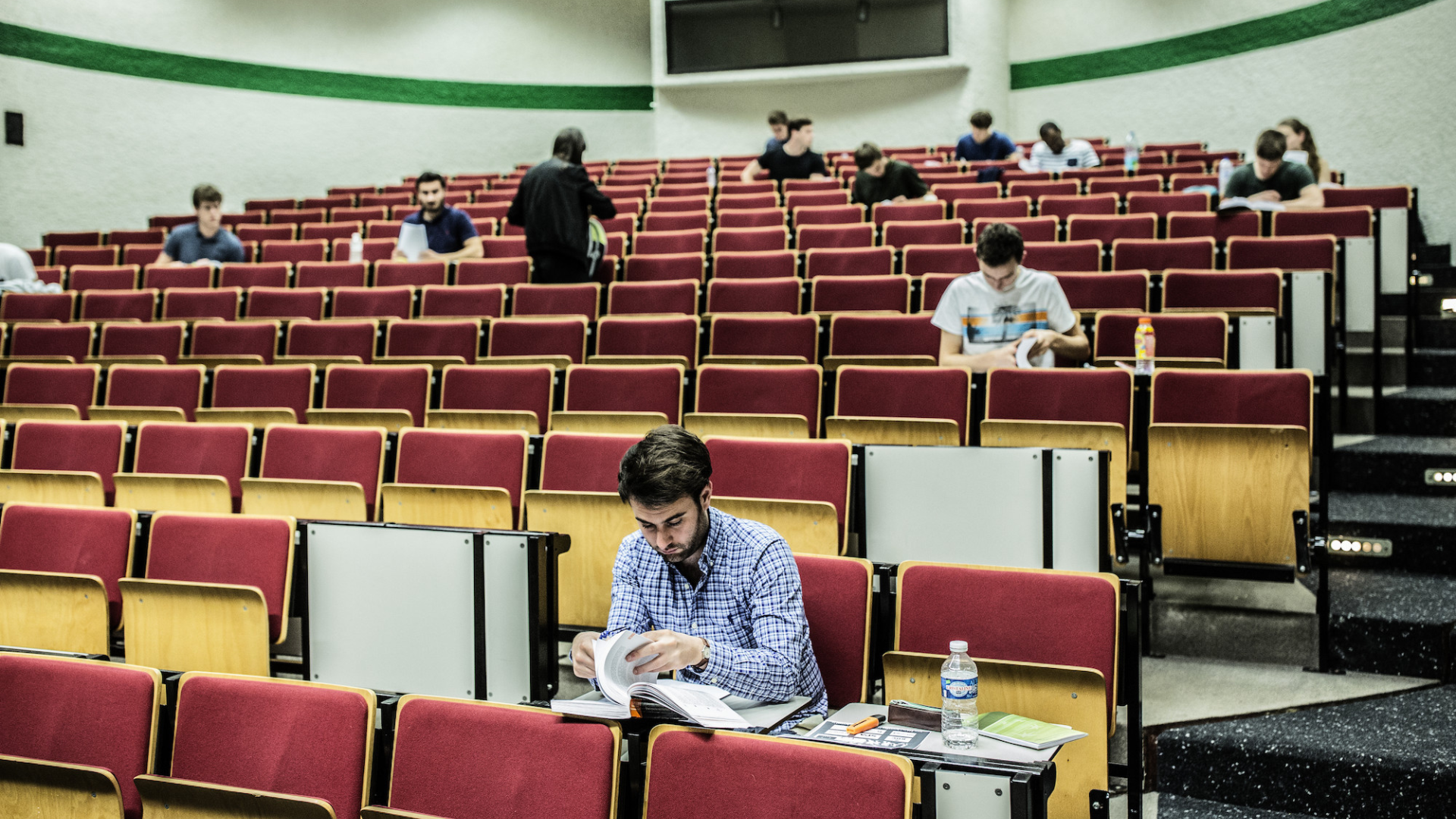
University students. Credit: VUB
A summary for the 2024/25 academic year, published by the Council of Rectors of the French Community, showed that 116,972 students were enrolled at their universities as of March.
Just over half were in social science programmes, while 28,360 were signed up to healthcare courses and 25,838 to science and technology courses. Only 294 students were enrolled in art courses in the French Community.
Sud Info reported in October that law courses were the most popular this year at the University of Liège, with 424 students, followed by economics-related studies on 416.
The third-most popular course was architecture, with 375 sign-ups, while the fastest-growing was history, which doubled to 70 students this academic year. Translation and interpreting courses saw a 50% decline and were the second-least popular courses after chemistry, which also saw a decline.
Dutch-speaking universities see increase in medical students
Institutions on the other side of the language border have reported similar trends over the last few years. Several of the Dutch-speaking region's universities have individually published their own statistics regarding student numbers, broken down into various sub-groups of courses.
However, KU Leuven's enrolment numbers for the current school year reveal a gradual decrease in the number of students in social sciences and engineering courses between 2022 and 2025.
Its "biomedical sciences" subgroup, on the other hand, increased its intake by 500 students last year. The university's faculty of medicine now has over 11,000 students, beating out the economics and business faculty's figure of 9,000.
Among the other popular subjects in the country's highest-ranking university, law and criminology courses account for close to 6,000 of its students. Over 5,700 students are enrolled at KU Leuven's faculty of engineering technology, followed closely by its faculty of engineering science with 5,400.
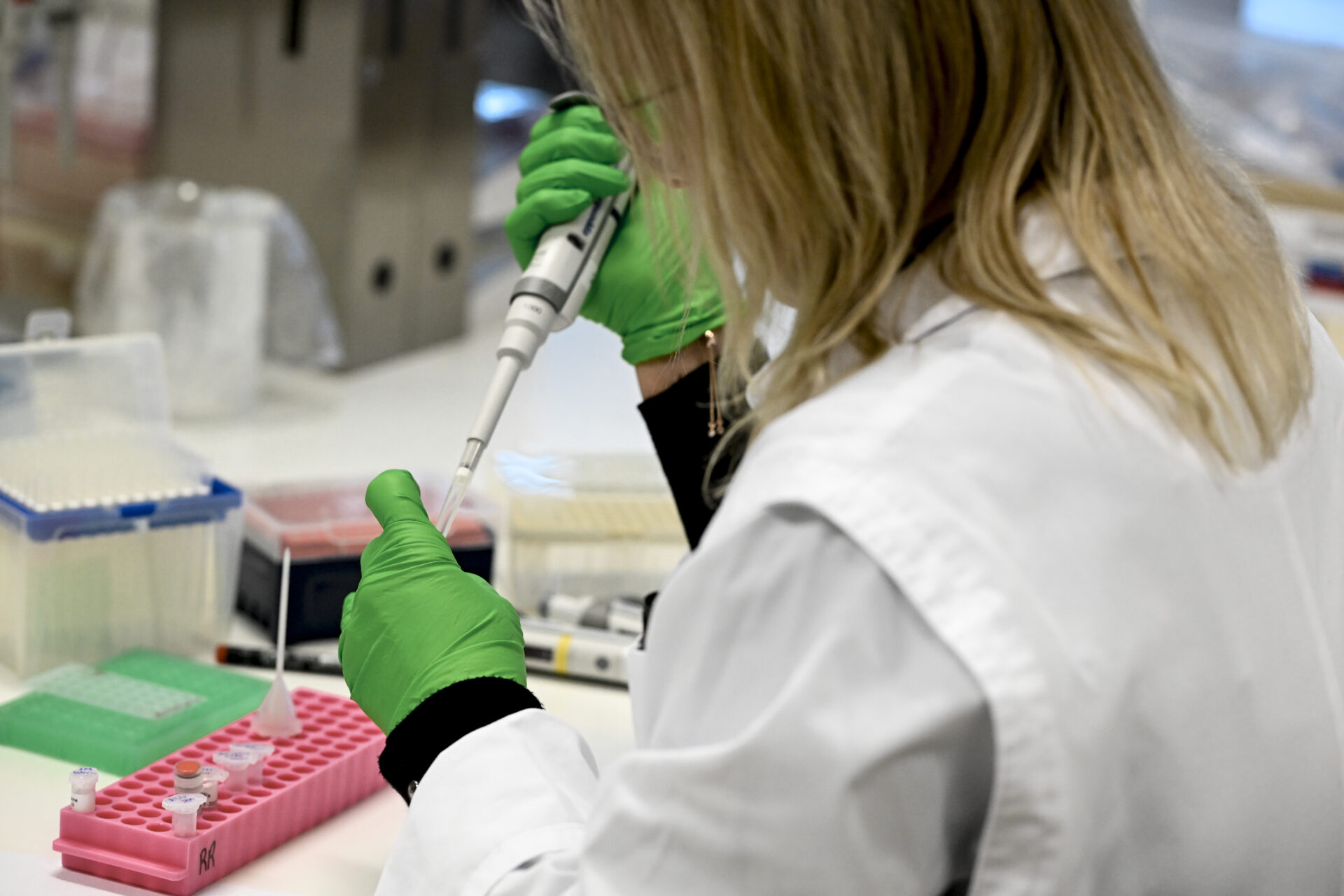
Medical student at Antwerp University. Credit: Belga / Dirk Waem
Flemish university colleges (hogescholen in Dutch) have seen an increase in applications for STEM (Science, technology, engineering and mathematics) courses, according to the Flemish public broadcaster VRT.
Ghent’s Artevelde University, meanwhile, has reported a growth in the number of students signing up for teaching courses this year. This has also been the case for PXL in Hasselt and AP in Antwerp, both of which have seen nearly 50% increases in sign-ups for teacher training.
The capital's Dutch-speaking university, VUB (Vrije Universiteit Brussels), has also released its enrolment statistics for last year.
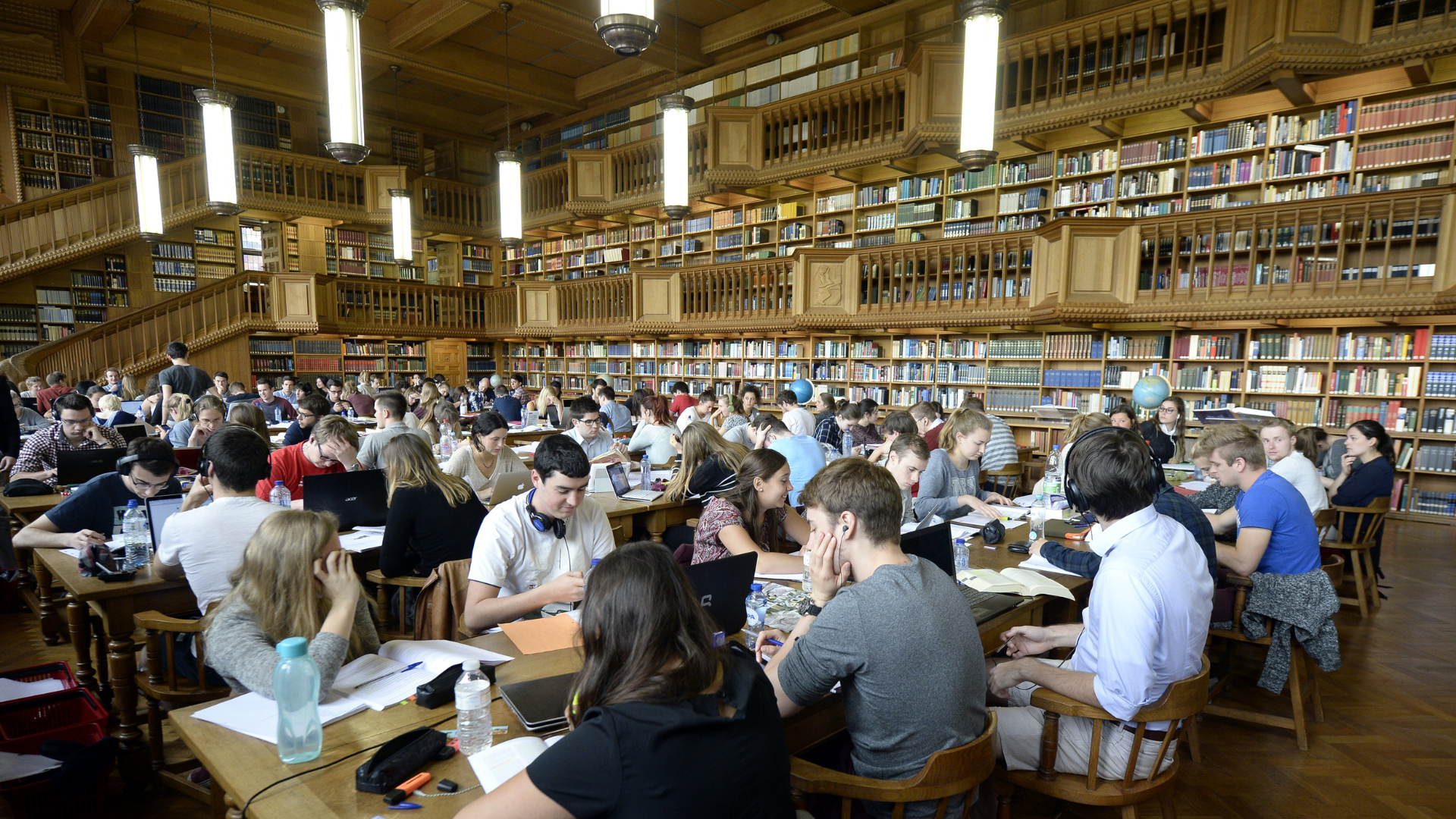
KU Leuven students. Credit: Belga
Its faculty of social sciences (political science, economics, and business) and its Solvay business school had a combined 6,543 students in 2024/25, with the next-highest department being law and criminology with 3,237 students. Both groups saw increases in their number of enrolments from the previous year, as did medicine and pharmacy courses.
There were 993 students in physical education and physiotherapy, the lowest of VUB's departments, followed by engineering with 1,626 and arts/philosophy with 1,748. The greatest increase from the previous academic year, meanwhile, came in psychology, which grew by 9.3% to 2,929 students.
