
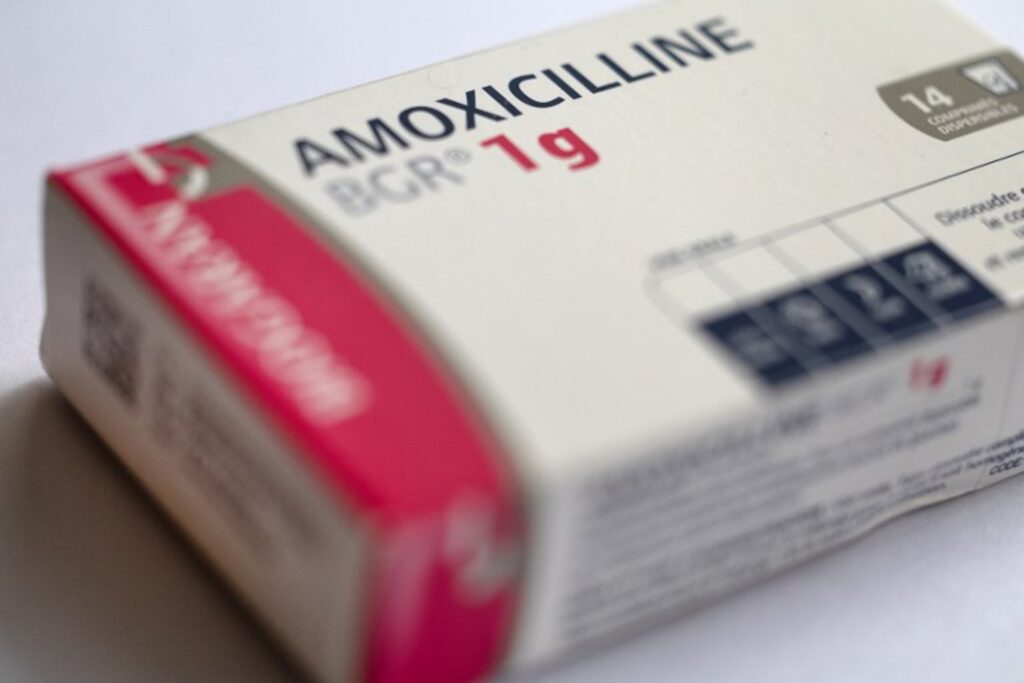
The Federal Government has unveiled a new action plan to combat antimicrobial resistance, called ‘One Health’, for the period 2026-2030.
The plan includes measures to reduce antibiotic consumption, announced the Public Health Minister’s office in a statement.
General practitioners will receive more support to adapt their prescriptions to minimise antibiotic use.
From late 2026, all physicians—including paediatricians, gynaecologists, urologists, and pneumologists—will have access to a decision-making platform integrated into patient records to guide antibiotic prescriptions.
In pharmacies, patients will now receive only the exact quantity of antibiotics they need, instead of a full box.
Hospitals will see new frameworks linking certain budgets to their performance in combating antibiotic resistance.
Each year, more than 1,300 people in Belgium die from antimicrobial-resistant infections, with around 70% related to healthcare-associated infections. Europe has called for an 18% reduction in human antibiotic use by 2030 compared to 2019, but Belgium’s current decrease stands at just 4%.
The plan will include measures for animals as well. Antibiotic use recording will be gradually expanded to cover all species, including pets.
The national programme allocates €43 million for new initiatives and €217 million for existing ones, primarily for hospitals, bringing the total budget to €260 million.
Professor Herman Goossens from the University of Antwerp, an internationally renowned expert on antibiotic resistance, will chair the governance platform overseeing the implementation of the plan.
Related News
- ‘Every delay means more deaths’: Belgium to appoint coordinator for sepsis plan
- Belgium to launch new health plan amid global rise of antibiotic resistance
- Funding issues bar development of cancer treatments during pregnancy
- Brussels Airport tests shipment of human cells and blood for cancer therapies
