
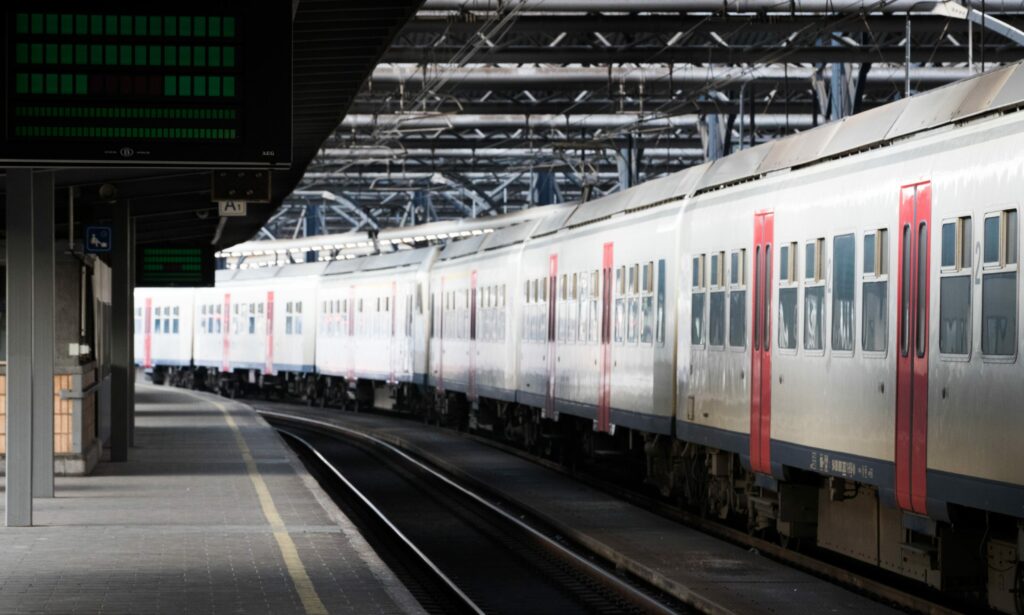
Railway traffic across Belgium is set to be disrupted due to a strike called by the country's railway trade unions.
The strike will impact train services from 10 pm on Sunday 25 January until the last train on Friday, 30 January.
The union action was announced in December last year, following the Federal Government's approval of a bill by Mobility Minister Jean-Luc Crucke (Les Engagés).
The bill, which aims to modernise the management of Belgium's public railway companies, puts an end to the appointment of permanent roles within the national railway operator SNCB/NMBS and the rail infrastructure group Infrabel.
The unions are also concerned with proposed changes to the system of labour negotiations, which they fear could allow HR Rail, the umbrella organisation managing SNCB and Infrabel staff, to make decisions without the agreement of at least one of the trade unions.
In addition, union members are striking to denounce poor working conditions and pension reforms.
Adapted train schedules
Adapted train schedules based on the number of staff who are not striking will be available to passengers at least 24 hours in advance throughout the strike days, according to SNCB. Passengers can consult the new timetables via the SNCB app or website.
All peak-hour trains (P trains) are expected to be running on Sunday evening, the railway operator announced ahead of the strike.
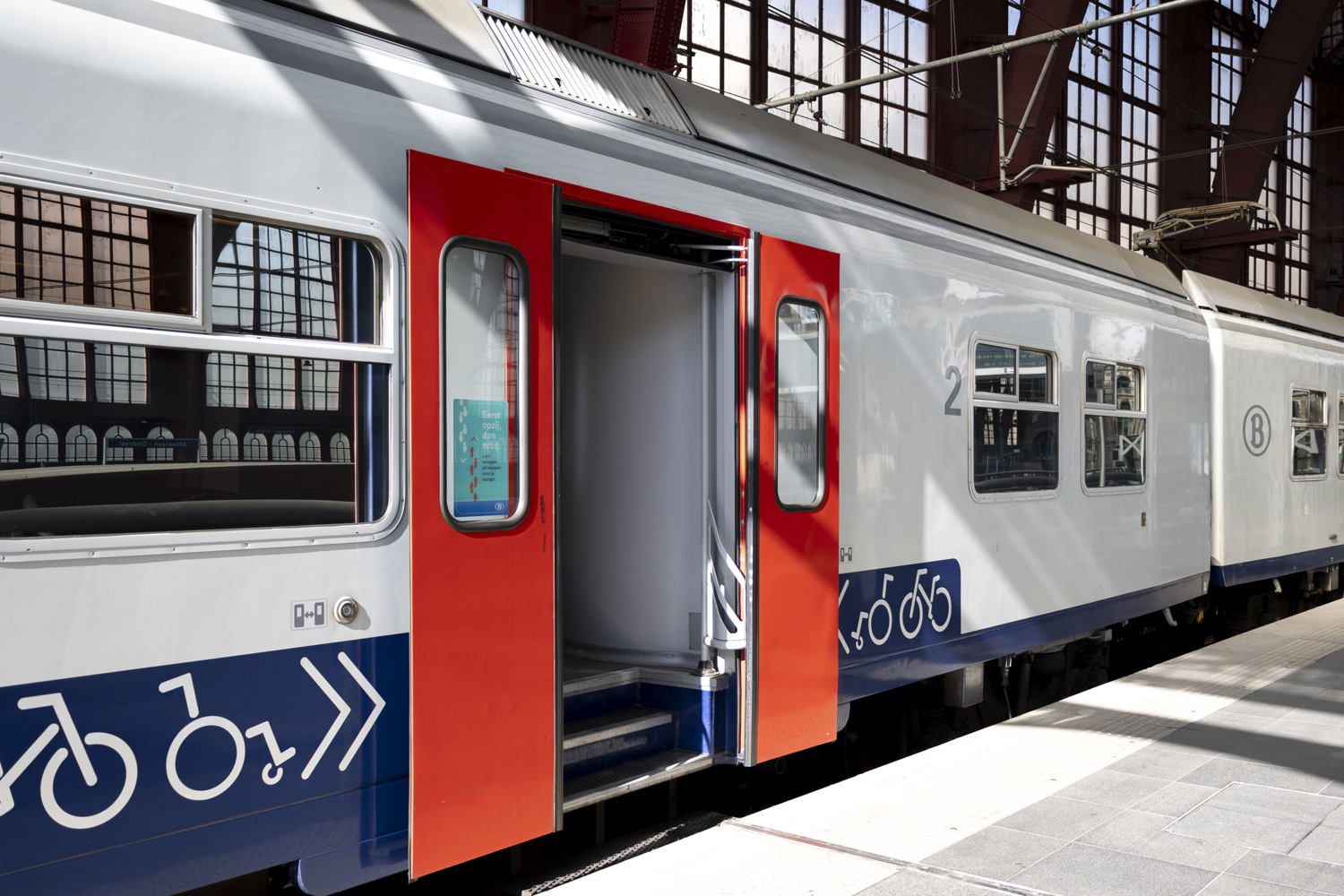
A SNCB train. Credit: Belga
On Monday, however, only three out of four of the trains between major Belgian cities (IC trains) will be running, while two out of three of the local and suburban trains (L and S trains) will be operational.
Additionally, there will be only a few P trains throughout the day on Monday, the railway operator warned on Saturday.
According to SNCB, the conditions for train ticket refunds or changes remain the same during strikes. However, passengers with specific questions or concerns can contact the SNCB contact centre for more information.
Impact on international travel
Most Eurostar trains are expected to run as normal throughout next week. However, the high-speed train operator advises passengers to regularly consult its website or app for the latest updates.
Similarly, most TGV INOUI trains to and from Brussels are expected to be operational next week, although some trains on Sunday, Monday and Tuesday have been cancelled ahead of the strike.
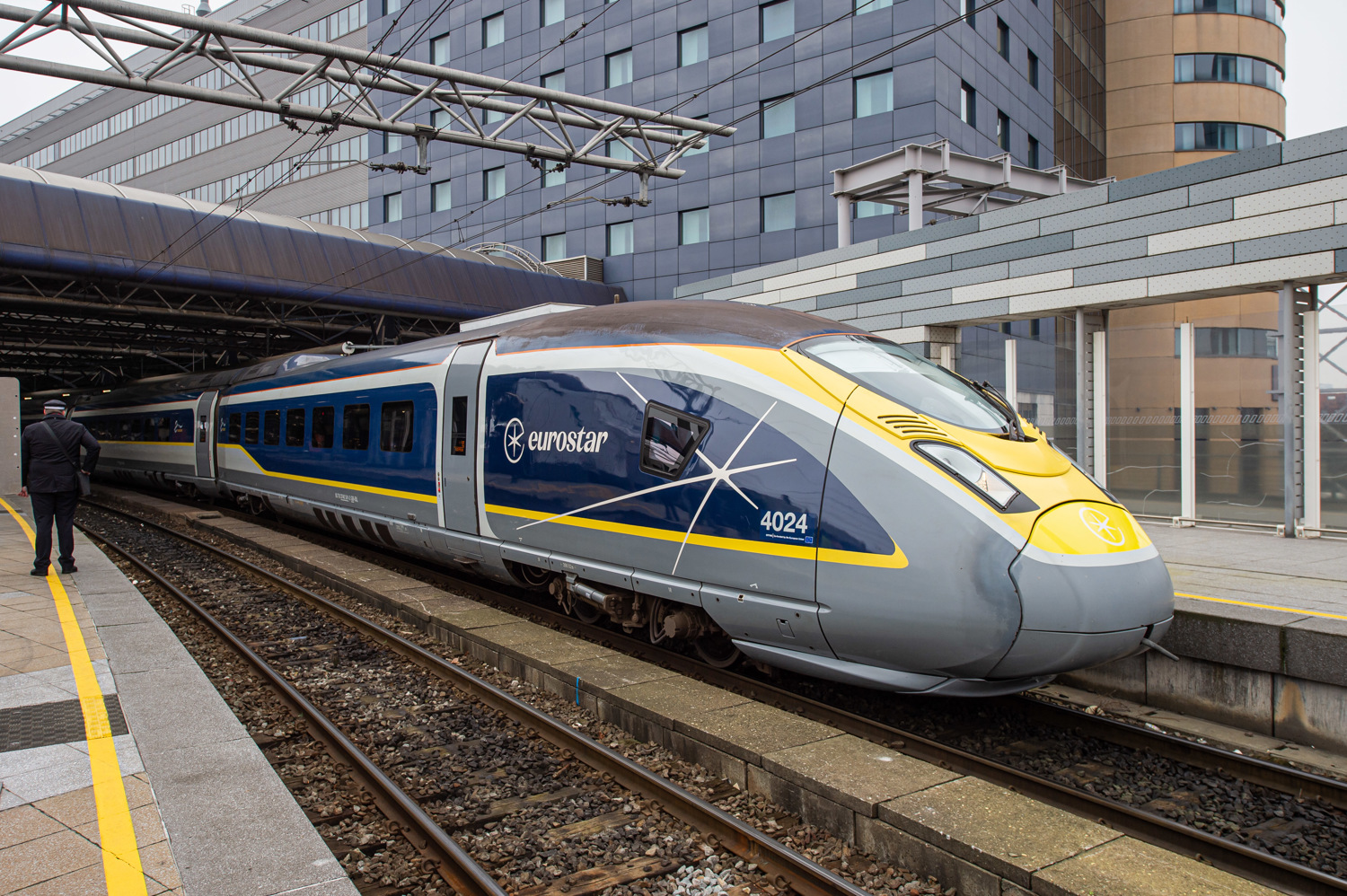
Illustration picture shows a Eurostar train. Credit: Jonas Roosens/Belga
Passengers travelling on EuroCity trains are set to face some disruptions. On Monday and Tuesday, only 12 out of the 16 EuroCity trains running between Brussels and Rotterdam will be operational.
On the same days, only half of the EuroCity trains between Brussels and Amsterdam will depart from Belgium, with the majority of trains expected to have their final stop in Rotterdam.
Similarly, almost half of the Amsterdam-Brussels EuroCity trains departing from the Netherlands on Monday and Tuesday are cancelled, with the majority departing from Rotterdam.
Nonetheless, all ICE Brussels-Cologne-Frankfurt trains and OUIGO Brussels-Paris trains are expected to run as scheduled.
Passengers can access an overview of the latest disruptions to international train services via the SNCB online traffic disruption page.
Train strike meets bus disruptions
The railway strike will coincide with a union action at the Walloon transport operator LETEC, which was announced as a response to revisions of the operator's Public Service Contract.
Disruptions are expected across LETEC's network from Monday, 26 January, for an indefinite period. Passengers are advised to consult the operator's app and website for the latest information regarding its service.
