
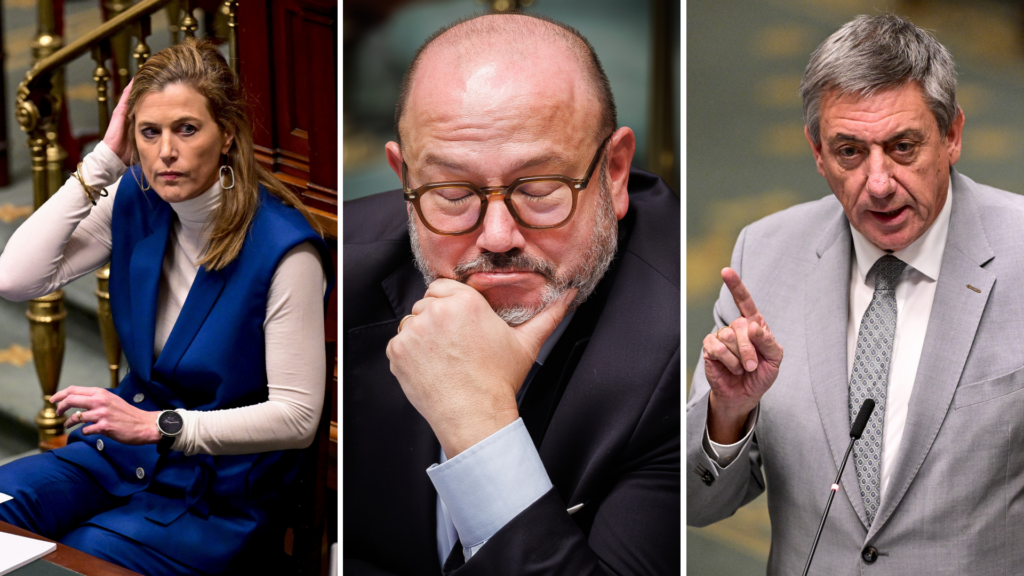
A failed multi-million euro police project has shaken the political sphere in Belgium over the last few weeks. Dubbed i-Police, the project aimed to modernise the information technology (IT) tools for the police force in Belgium.
The project was awarded to the French tech consultancy Sopra Steria in 2021, with a budget of almost €300 million. The contract was terminated by the Belgian government last year, due to a lack of tangible results.
The case has since sparked controversy, after it was revealed that over €75.8 million had already been paid out for the failed project, triggering an investigation into possible misuse of funds and conflicts of interest.
Timeline of the failed project
The concept of i-Police was introduced in 2016, amidst the aftermath of a terrorist attack in Brussels that same year. The project involved a collaboration between the ministers in charge of interior affairs, justice, and digitalisation.
The idea was to upgrade IT systems and tools for the Belgian police, allowing, among other things, the creation of an updated database system, facilitating data exchange, and improving the detection of security threats.
In early 2017, the then Interior Minister, Jan Jambon (N-VA), announced the launch of a public tender for the project.
The contract was ultimately awarded to the consultancy Sopra Steria in 2021. The contract was signed under the then Interior Minister, Annelies Verlinden (CD&V), who had been sworn in in October 2020.
The Federal Government earmarked a total of €299 million for the i-Police project until 2027.
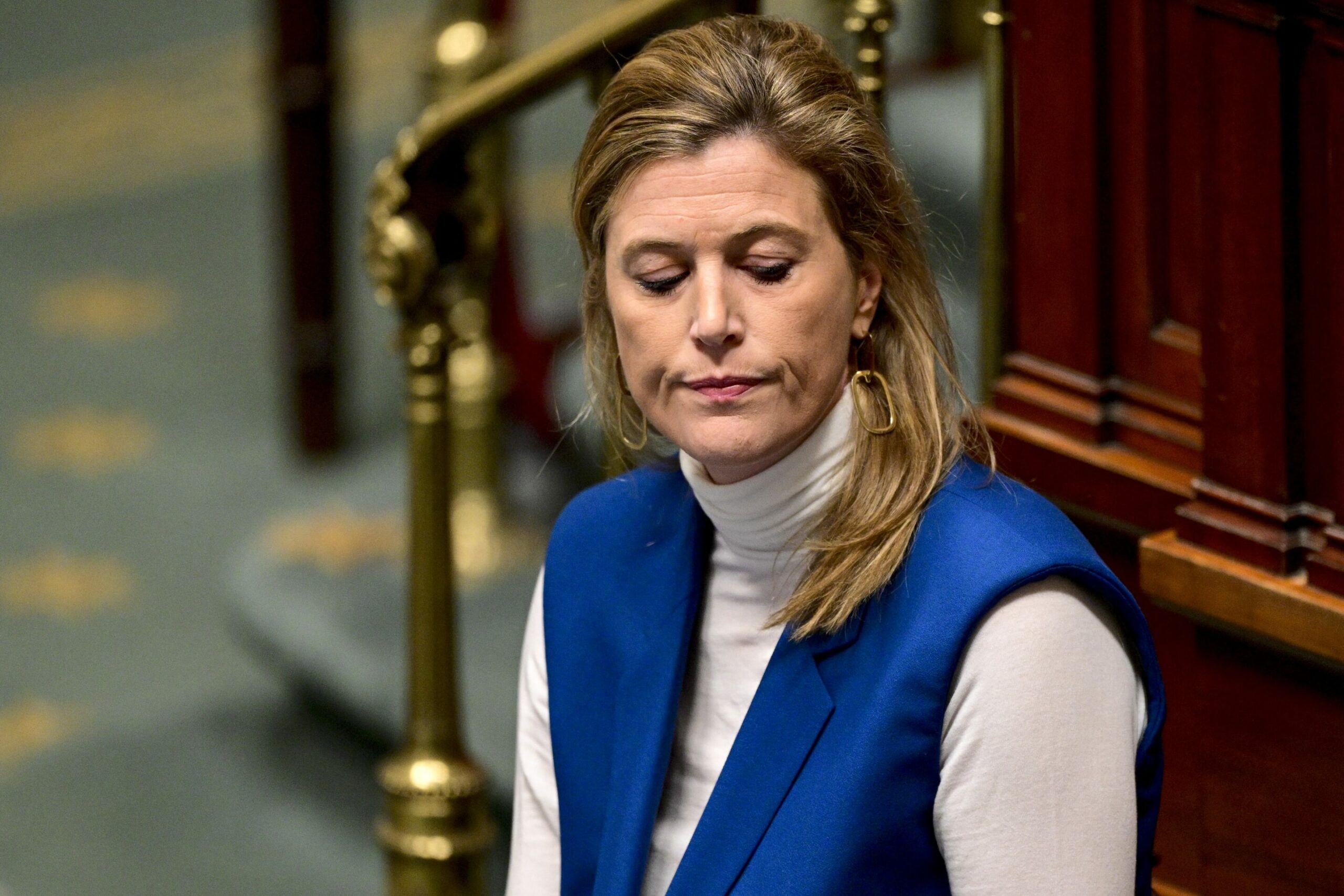
Former Interior Minister and Minister of Justice Annelies Verlinden. Credit: Belga/Dirk Waem
In 2023, Verlinden commissioned an audit into the project from the financial consultancy Deloitte, as it appeared that the digitisation project was not progressing as expected.
The minister took measures following the audit. A crisis manager was appointed, and a management team was established to report to the commissioner general of the Federal Police. The project was monitored internally by the police authorities.
In a statement to the press in early January 2026, Verlinden said that "at no point was it suggested that the entire project should be completely halted."
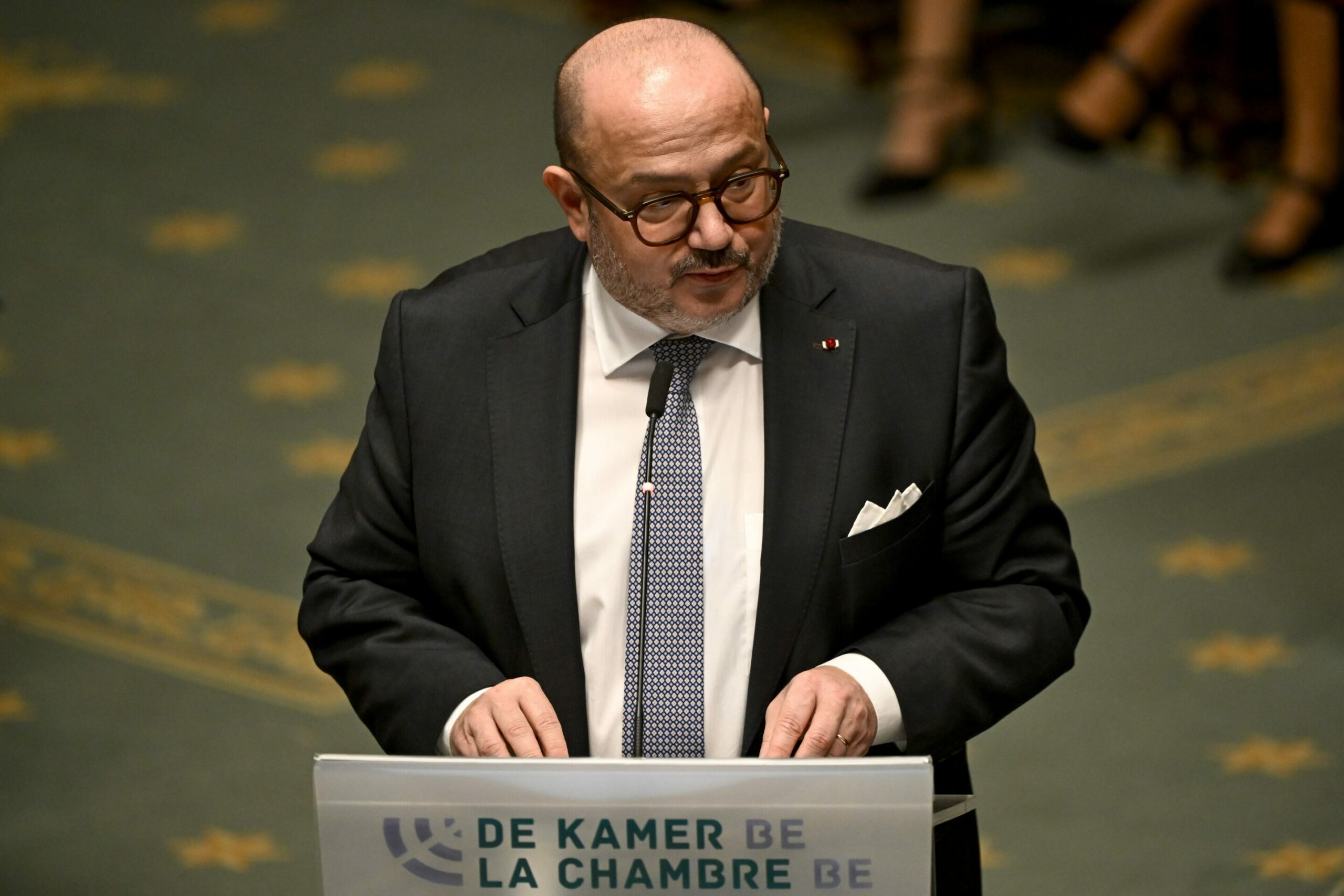
Interior Minister Bernard Quintin. Credit: Belga/Dirk Waem
Nonetheless, in December 2025, Verlinden's successor, Bernard Quintin (MR), terminated the contract, following an evaluation that exposed a lack of results and years of delays. Instead, the police are set to focus on other smaller-scale IT projects.
Quintin confirmed that the French company had, to date, invoiced the government for €84.4 million, of which €75.8 million had been paid.
According to an investigation by De Tijd, the lack of progress in the i-Police project means the "real cost” for Belgian taxpayers is closer to hundreds of millions.
Heated debates & accusations
Following the announcement of the end of the contract, Quintin told De Standaard in December that he intervened on the matter “as soon as it became clear that the project was at risk of failure … Not only to prevent further waste of taxpayer money, but also to thoroughly reorient the digitalisation of the police force.”
According to the Interior Minister, only €1.8 million was paid out for the i-Police project under the Arizona government, which was sworn in February 2025.
On 13 January 2025, Le Soir reported that several issues regarding the project were outlined in 2024 in two confidential internal Federal Police reports. The project reportedly suffered from a lack of transparency and leadership, reportedly attributed to both the tech consultancy and the police.
The French consultancy told Le Soir that it was "surprised by the allegations reported in the press, which do not reflect the conditions under which the project was carried out."
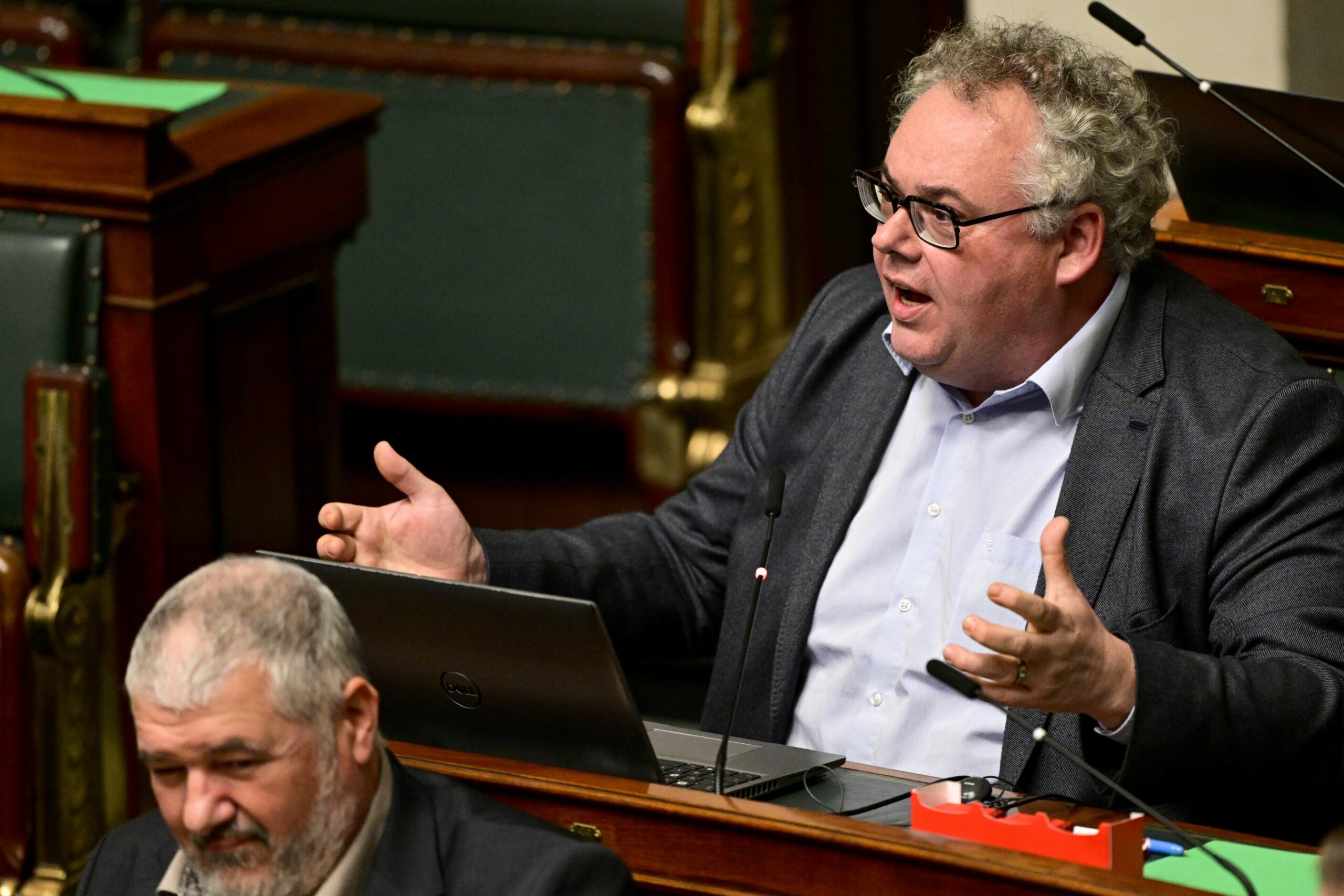
Groen's Matti Vandemaele. Credit: Belga/Dirk Waem
Hours after the article by Le Soir, during a debate in the Chamber on the matter, several MPs raised concerns over the failed project.
Groen MP Matti Vandemaele criticised the situation and claimed that, according to his sources, members of the police force were prevented from writing up reports on issues regarding i-Police.
Vandemaele further claimed that officers involved in the case were transferred if they did not comply with the alleged unofficial gag order. The Federal Police declined to comment on the accusation when approached by Le Soir.
Meanwhile, former Justice Minister and current Anders (formerly Open VLD) MP Paul Van Tigchelt accused Verlinden's cabinet at the time of ignoring warning signs.
Anders (formerly Open VLD) MP Paul Van Tigchelt. Credit: Belga
The former Interior Minister, Annelies Verlinden, now Justice Minister, has maintained that she did take action when there were signs of issues, referring to the Deloitte audit.
Last weekend, Verlinden was the target of new criticism after it was revealed that she worked as a lawyer for Sopra Steria in 2019, before she took office in 2020.
Verlinden has denied any conflict of interest, stating that the legal case she handled had no link to the i-Police project and that negotiations were already underway with Sopra Steria before she became Interior Minister.
Ministers invited to formal hearings
On 21 January, the House Committee for Interior Affairs confirmed it would organise hearings regarding the i-Police case.
Among the 15 expected at the hearings are former Interior Ministers Annelies Verlinden, Jan Jambon, and Pieter De Crem.
Prior to the hearings, other relevant stakeholders are set to be heard by the committee, including the former and current commissioners-general of the Federal Police, Marc De Mesmaeker and Eric Snoeck, representatives from Sopra Steria and the firm which conducted the audit, Deloitte.
Investigation launched into misuse of funds
Following the announcement of the hearings, the Brussels Public Prosecutor, Julien Moinil, told Le Soir on 27 January that his office had opened a judicial investigation into the i-Police case, for suspicions of misuse of public funds and conflict of interest.
The judicial case was opened following the cancellation of the project back in December and subsequent media reports on the matter, including an investigation by Le Soir.
The investigation will be carried out by the Brussels Federal Judicial Police (PJF), in collaboration with the Central Office for the Suppression of Corruption (OCRC).
Meanwhile, Sopra Steria appears to have approached a law firm to take Belgium to court over outstanding invoices, according to Nieuwsblad, citing sources within the Federal Government.
More multi-millionaire contracts
Despite the end of the i-Police contract, Belgium remains tied to Sopra Steria through at least six other contracts, according to the Federal Minister for Digitalisation Vanessa Matz (Les Engagés), in a response to a question by MP Matti Vandemaele (Groen) last week.
The contracts reportedly amount to a total of around €222 million, according to Vandemaele, who called the additional contracts a “very serious cause for concern”.
Matz told Belga News Agency last week that she had requested additional checks on the contracts with Sopra Steria.
