
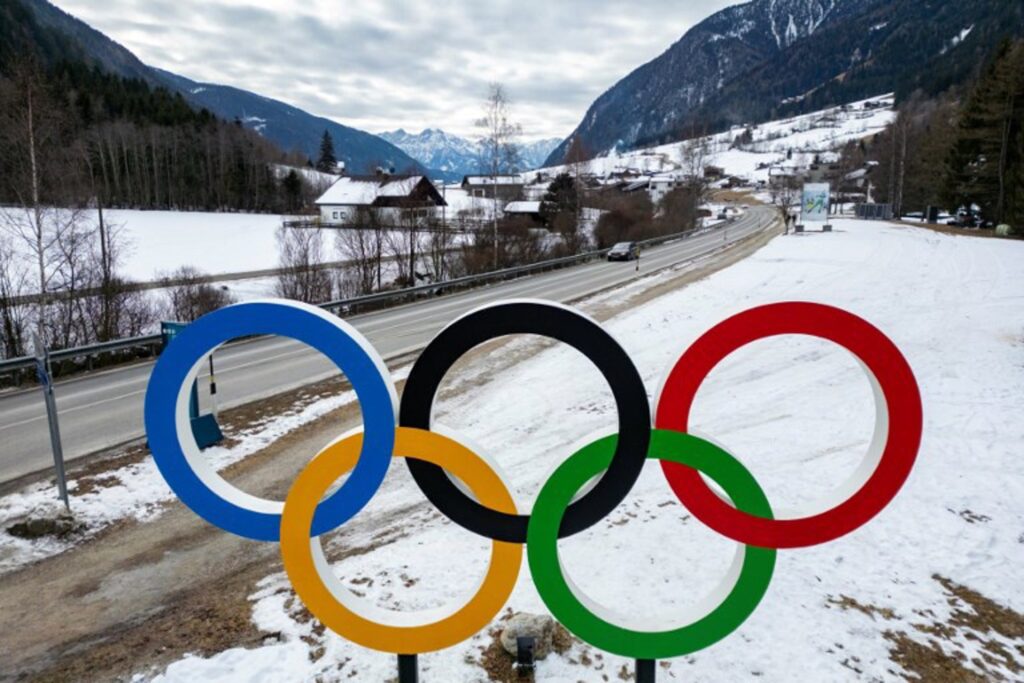
The Winter Olympics begin this Friday in Milan and Cortina d’Ampezzo, marking the first time in history that two host cities will stage the event.
This year, Belgium is bringing its largest-ever delegation, with 30 athletes – 16 women and 14 men.
The team aims to surpass its performance in Beijing 2022, where Bart Swings won gold in mass start speed skating, and Hanne Desmet claimed bronze in short track’s 1,000m event, alongside four top-eight finishes.
Prize money for Belgian medallists remains unchanged: €50,000 for gold, €30,000 for silver, and €20,000 for bronze.
The Games will run until 22 February in Northern Italy, featuring 116 Olympic titles across 16 disciplines.
This includes a historic high of 50 women’s events, 54 men’s, and 12 mixed, with women accounting for 47% of the 2,900 competing athletes – a record for the Winter Olympics.
Officially named Milan Cortina 2026, the Games will span seven cities hosting competitions, including Anterselva, Bormio, Livigno, Predazzo, and Tesero, covering a total area of 22,000 square metres.
Verona will host the closing ceremony in its iconic Arena. Organisers aim to limit costs by using 11 existing venues out of 13, but expenses are still estimated at €5.5 billion.
