
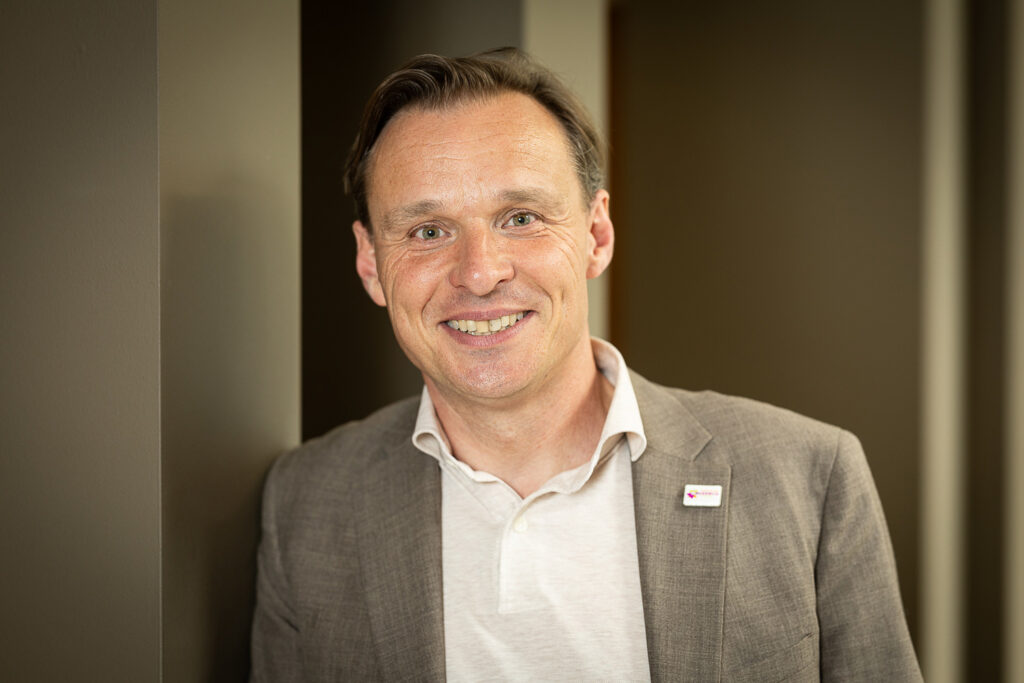
Separating students, whether for reasons of language difficulties or behavioural issues, is ineffective, argues Bruno Vanobbergen, Director-General of Catholic Education Flanders, in an interview with Belga.
He advocates for more collaboration among schools to ensure that all students are included and supported.
Vanobbergen highlights the Flemish initiative ‘Schools for Everyone,’ which aims to integrate specialised education into inclusive campus schools.
While supportive of this concept, he cautions against a one-size-fits-all approach, stressing the importance of adapting to local contexts.
One of his priorities is the partnership between education and welfare. He clarifies this is not about turning schools into therapy centres but ensuring every student’s right to education is upheld.
For example, students with severe mobility disabilities should be provided with opportunities to pursue academic pathways.
He suggests improving coordination among educational support services, such as guidance teams, pupil guidance centres, and learning support centres. Collaboration with multifunctional centres could also play a key role in addressing specific challenges, particularly in specialised education.
Closer cooperation among schools is another solution proposed by Vanobbergen.
For students repeatedly excluded due to behavioural problems, he recommends building strong school networks involving welfare professionals.
He highlights the effectiveness of a multidisciplinary team in Antwerp, which includes an orthopedagogue, social worker, and criminologist, as an example of what larger school groups can achieve that individual schools cannot.
Vanobbergen rejects the idea of separate schools for students expelled multiple times due to severe behavioural issues, a suggestion currently being explored by Education Minister Zuhal Demir.
He stresses the need for inclusive solutions and tailored collaborations between mainstream and specialised education, as well as between education and welfare.
He is also against segregating students struggling with Dutch into separate language classrooms. Instead, Vanobbergen favours integrated approaches, such as blending language education with vocational training, which he believes could be extended to secondary education.
The growing number of initiatives imposed on schools — regarding inclusion, language, curriculum, and behaviour —is concerning, Vanobbergen adds.
He questions why these objectives are distributed across multiple action plans when they should all align with the overarching ‘Schools for Everyone’ vision.
The teacher shortage remains a pressing issue. While more people are entering the profession, many are unqualified, putting strain on school teams and highlighting the need for faster qualification processes. According to Vanobbergen, addressing this is crucial for maintaining education quality.
In primary education, he sees progress, particularly with new curricula introduced by Catholic Education Flanders that align with updated minimum standards.
However, in secondary education, significant challenges remain, including modernising specialised education systems and addressing a high rate of unqualified school leavers, which currently stands at 40%.
Vanobbergen also voices concern about a planned €159 million cut to secondary education funding, urging stakeholders to focus on meaningful reforms rather than just budget cuts.
