
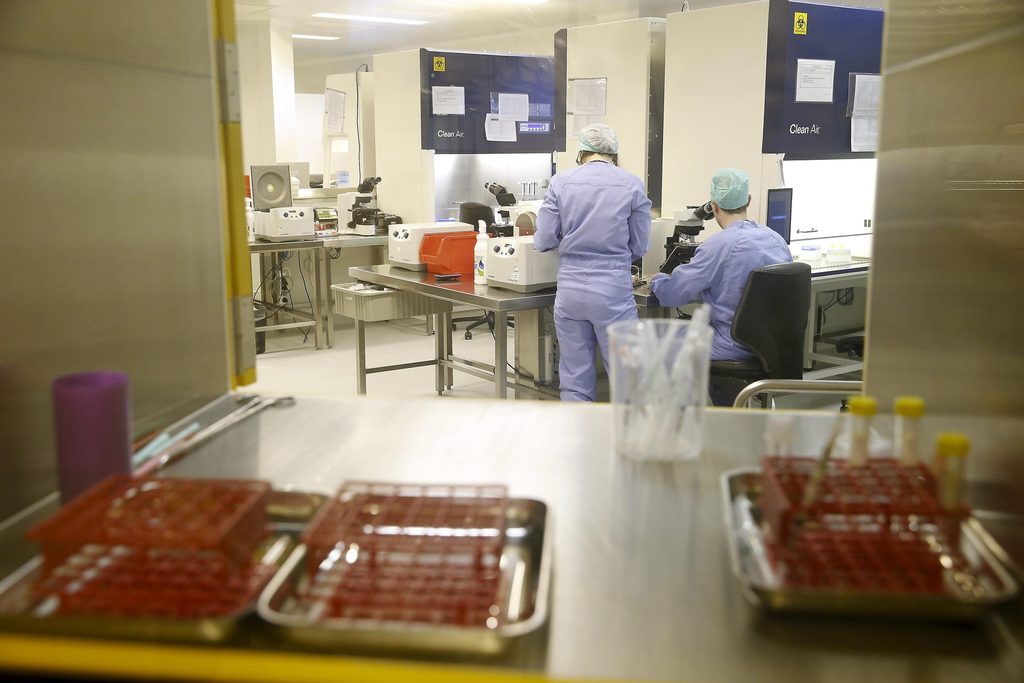
Belgium is implementing a comprehensive reform of its sperm donation structure so as to better protect families and children, following a serious crisis that came to light in 2025.
Last year, it came to light that sperm from a donor with a genetic abnormality, linked to certain cancers, resulted in over 50 pregnancies in 37 women in Belgium. This sperm donation scandal damaged many families' trust in the system.
The crisis highlighted "structural shortcomings throughout the entire medically assisted reproduction chain," Dirk Ramaekers, chair of the Federal Public Health Service and crisis manager, told The Brussels Times.
From donor selection and data exchange to incident reporting and the supervision of practices in fertility clinics, a comprehensive reform aims to better protect families and children.
"Many things went wrong both at the government level and within the fertility clinics. These cases came to light last year, but the issues go back to 2007," said Ramaekers.
While he underlined that Belgium is rightfully proud of its accessible and high-quality fertility care, he speaks of "a significant systemic failure" in regard to the sperm donation scandal.
Six-woman rule
For Ramaekers, the issue is not with the legislation: the "six-woman rule" (which stipulates that the same donor sperm or embryos cannot be used for conception in more than six different women) was introduced for ethical reasons in 2007.
"The legislator did a good job, but the system that is supposed to underpin the law clearly failed," he said. As a crisis manager, Ramaekers stressed the importance of looking at where the system, as a whole, is failing.
"In hindsight, it is easy to point the finger at one specific thing or one specific person," he said. "But finding a scapegoat does not solve the problem. Instead, the system needs to be changed so that it cannot happen again."
Therefore, he took the initiative for a reform, after which the Federal Agency for Medicines and Health Products (FAMHP) drew up a recovery plan.
Their ambition is to restore the trust of all stakeholders through greater transparency, a stronger sense of responsibility and concrete improvements for the benefit of families and donor-conceived children.
"There is never a 100% guarantee, of course. But this recovery plan involves quite a few system adjustments," Ramaekers said.
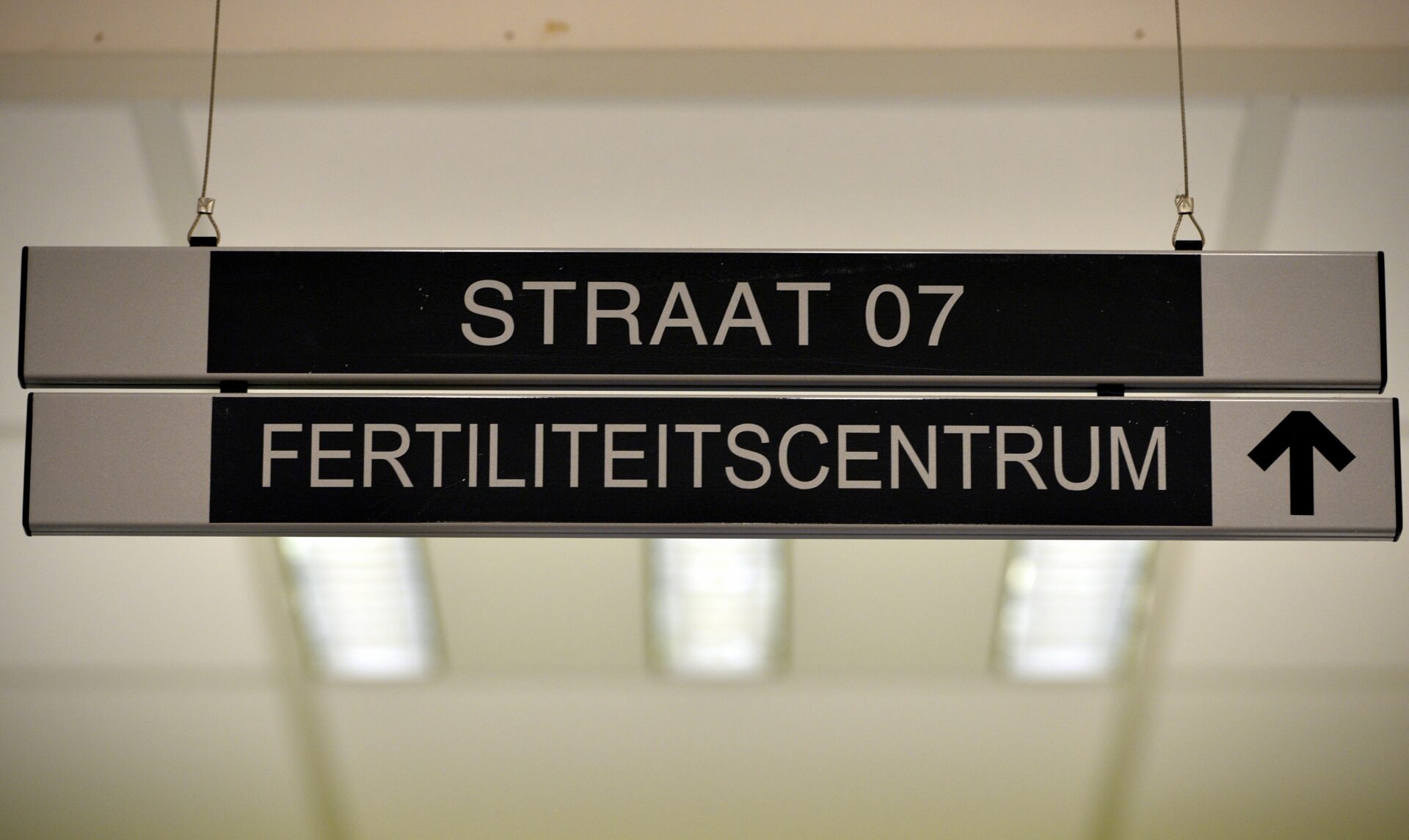
Fertility clinic. Credit: Belga/Eric Lalmand
The first aspect of the plan is setting up a new legal framework. As part of that, donor anonymity will be lifted – giving families and donor-conceived children access to information about the donor's identity.
"That is a political decision, already foreseen in the current governmental agreement," Ramaekers stressed. "The underlying principle is not that the donor's, but the donor-conceived child's interests come first. The child has the right to that information, so they can find out who their biological father is."
Starting in summer 2027, an independent Institute for Donor Data will handle communication with families and donor-conceived children, providing both identifying (such as name, date of birth, nationality) and non-identifying (hair colour, height) information regarding donations.
Importantly, this institute will have a central data register, Fertidata, which will be expanded by uploading historical data (of donations between 2007 and 2024). This will allow the FAMPH and fertility clinics to better monitor quotas and quickly detect and report any breaches.
Publicly available reports
Secondly, the plan involves a strengthened inspection framework. From next week until early 2027, all Belgian fertility centres will be subject to thematic inspections by the FAMPH. Taking a risk-based approach, it will be possible to increase the frequency and scope of inspections where necessary.
Additionally, the entire administration will be better equipped, with a specific unit to coordinate activities relating to fertility centres and to promote information exchange and internal cooperation within the agency, and a strengthened inspection capacity.
Accountability for all stakeholders will also start playing a bigger role from now on, Ramaekers stressed.
As part of this, fertility centres and hospitals are encouraged to operate more transparently: inspection reports will be published by name, as will the results of fertility treatments from 2027.
"This is already happening for oncology and cardiovascular diseases, but not for fertility treatments in Belgium. We know that the results differ largely between the centres0 Making these reports publicly available provides an incredible preventive incentive," he said. "These figures are already being discussed behind the scenes, but the impact of public availability is much greater."
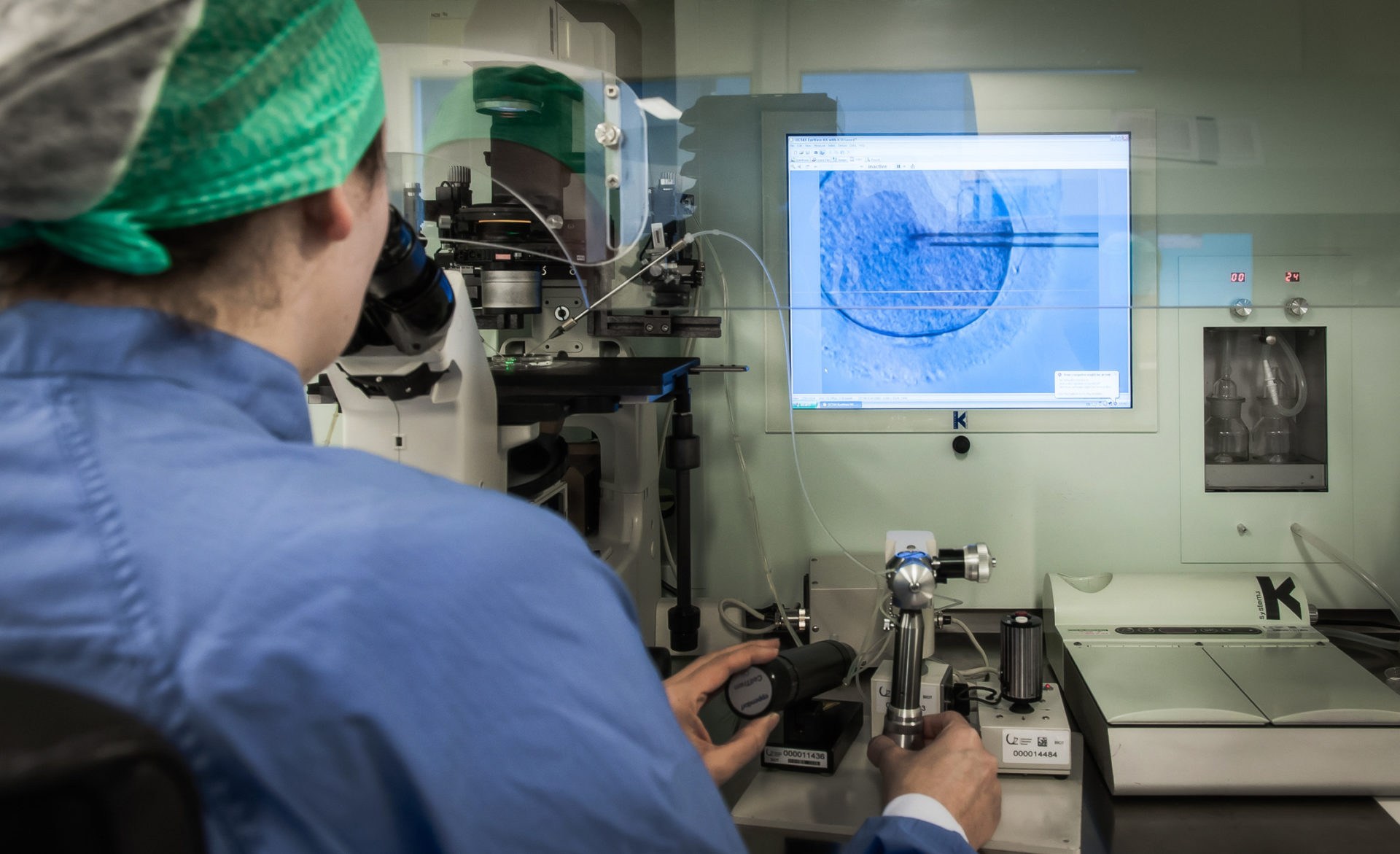
The infertility treatment sees one single sperm cell being introduced into an egg cell. Credit: UZ Brussel
A clearer sanctions policy will also be introduced, with precise criteria for warnings, suspensions and withdrawals of authorisations. The FAGG is also working on the implementation of administrative fines.
Lastly, the recovery plan provides for improved data exchange and the management of reports: incidents, quota breaches and serious events must be reported more quickly and in a more structured manner – with clear escalation procedures that ensure critical information reaches the competent authorities (and the public) quickly.
The plan will be implemented gradually from next week and run until 2027, with regular progress reports for the public and relevant stakeholders.
"The aim is not only to offer concrete solutions to the shortcomings that came to light during the crisis," Ramaekers said, "but above all to create a more transparent and safer framework for fertility care in Belgium, primarily for the benefit of families and donor children."
