
Belgium has as many as 3,002 officially recognised artisans, according to the Ministry of Economy.
Belgium introduced the legal recognition of artisans nearly a decade ago. Since then, the number of recognised artisans nearly tripled, from 586 in 2016 to 3,003 as of March 2026
The 'Recognised Artisan' label for craftspeople, introduced in 2016, highlights the authenticity, manual skill, and expertise of a business.
The certification, granted by the Artisan Commission of the Ministry of Economy, is meant to distinguish genuine artisans from industrial producers.
It is valid for six years and is reserved for businesses with fewer than twenty employees.
Over the past ten years, the sector has evolved significantly, including the emergence of new artisanal practices. While the food sector remains stable and continues to account for a large share of recognised artisans, substantial changes have occurred in other sectors, according to the Ministry of Economy.
One notable shift is the sharp growth in the 'miscellaneous' category, which has almost doubled in five years. This sector includes new crafts using emerging technologies, such as tanning fish leather—a sustainable alternative to reptile leather—or restoring and repurposing old caravans to give them new life or functions.
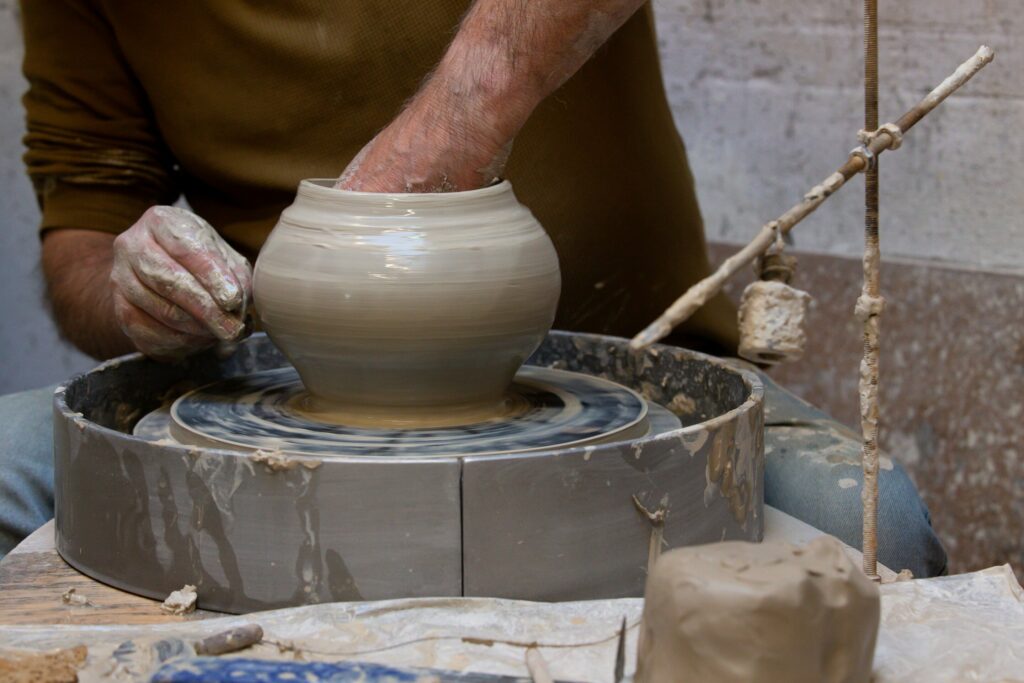
The ceramics sector has also seen clear growth, driven by a renewed interest in traditional crafts. Many artisans took up ceramics after the COVID-19 pandemic, often as a supplementary activity alongside other professional ventures.
At the same time, some traditionally prominent sectors, like furniture making, woodworking, and construction, have seen their share decrease.
This doesn't necessarily indicate a decline in activity but reflects a broader reorganisation brought about by the rise of new profiles and greater diversity within artisanal practices.
Artisans can be officially recognised in multiple sectors simultaneously.
