
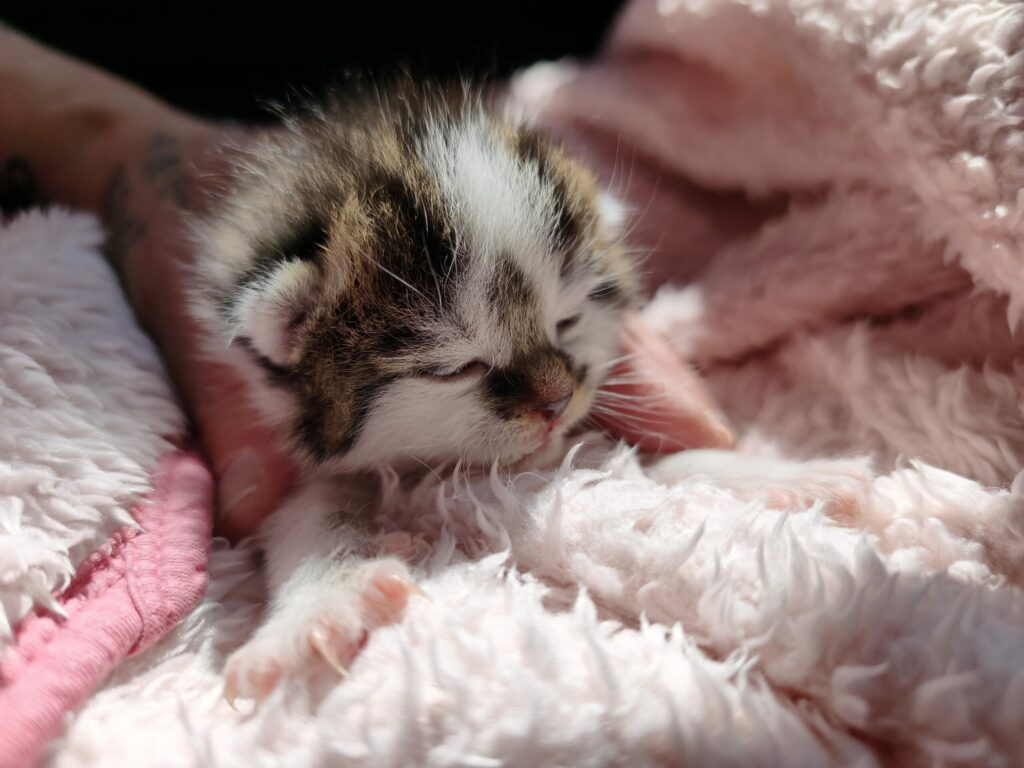
A large colony of stray and feral cats has been discovered in a residential block in Schaerbeek, prompting an intensive rescue operation led by the non-profit Ever’y Cat.
Around fifty unsterilised cats were identified in a cluster of back gardens bordered by three streets, according to the organisation’s founder, Stéphanie Challe.
“We only sleep three to four hours a night”
“It’s a block of gardens: three streets forming a triangle that encloses people’s backyards," Challe told The Brussels Times. "There are about 30 houses forming this triangle, and people most likely abandoned their cats, which then reproduced. In just two years, we reached 37 cats, and I still have between five and 10 left to capture.”
The situation only came to light after residents raised the alarm. Since then, Ever’y Cat has been working on site for nearly a week, deploying traps and working long hours to contain the population.
“We usually capture between two and five cats per day. Yesterday, we trapped five and finished at 22:00,” said Challe. “We’ve been working on this for six days now. We only sleep three to four hours a night.”
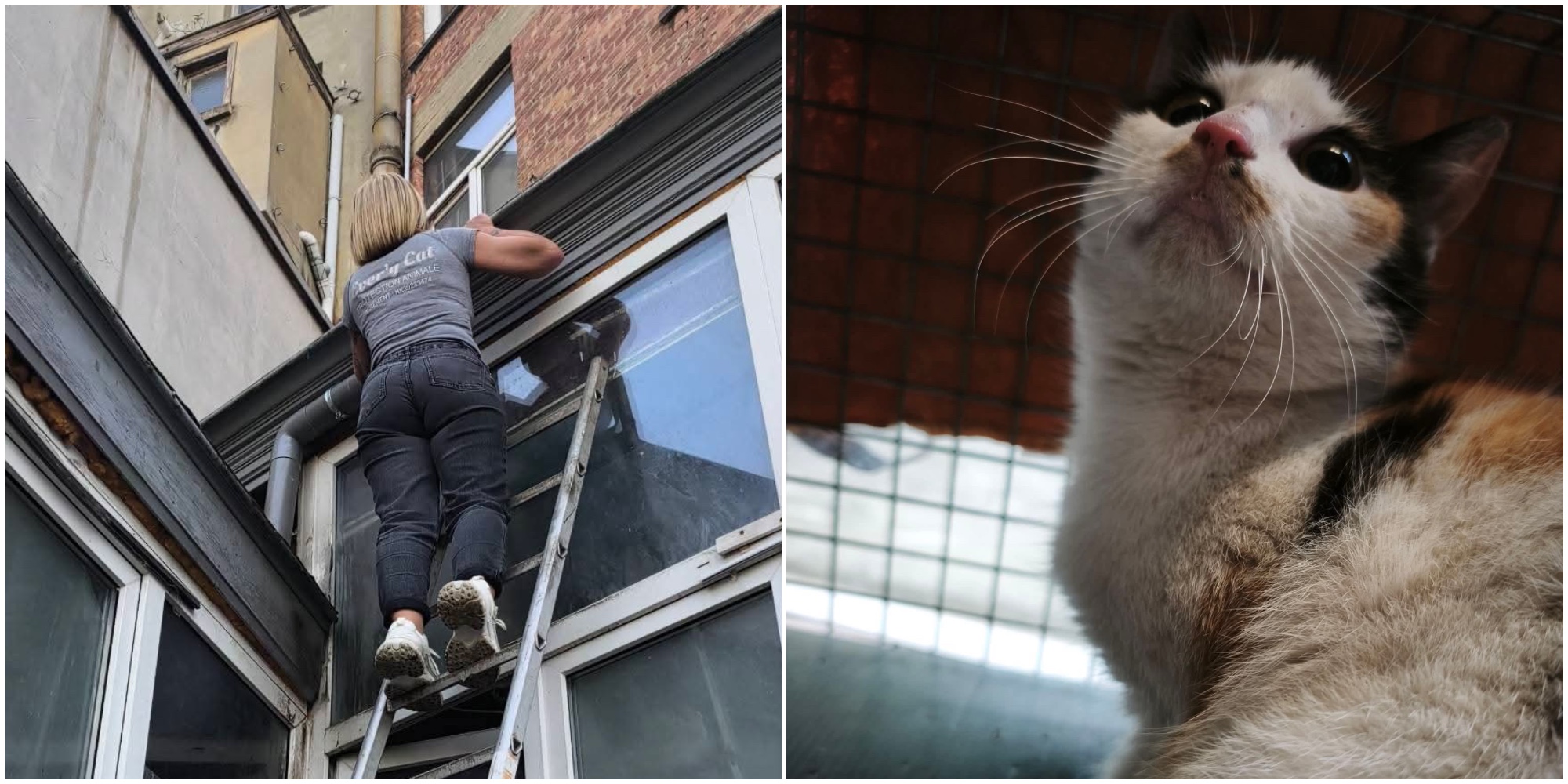
Stéphanie Challe has already captured 37 cats. Credit: handout
Mostly feral cats
According to Challe, around 95% of the cats in this colony are feral. After sterilisation, they will be returned to their territory, a standard practice aimed at stabilising populations while avoiding further breeding.
The operation is made more difficult by the high number of female cats. “About 80% of them are females that are either nursing or pregnant,” she said. Several litters have already been identified, including one that was close to death but has since been taken in by a foster family.
“A local shopkeeper just contacted me to say he can hear kittens crying in a roof,” Challe told us from her car on her way to Schaerbeek. “That means I’ll have to release the mother. The logistics are extremely complicated with such a large number of cats.”
Despite their precarious situation, the animals are in relatively good health, partly thanks to a local resident who has been feeding them regularly.
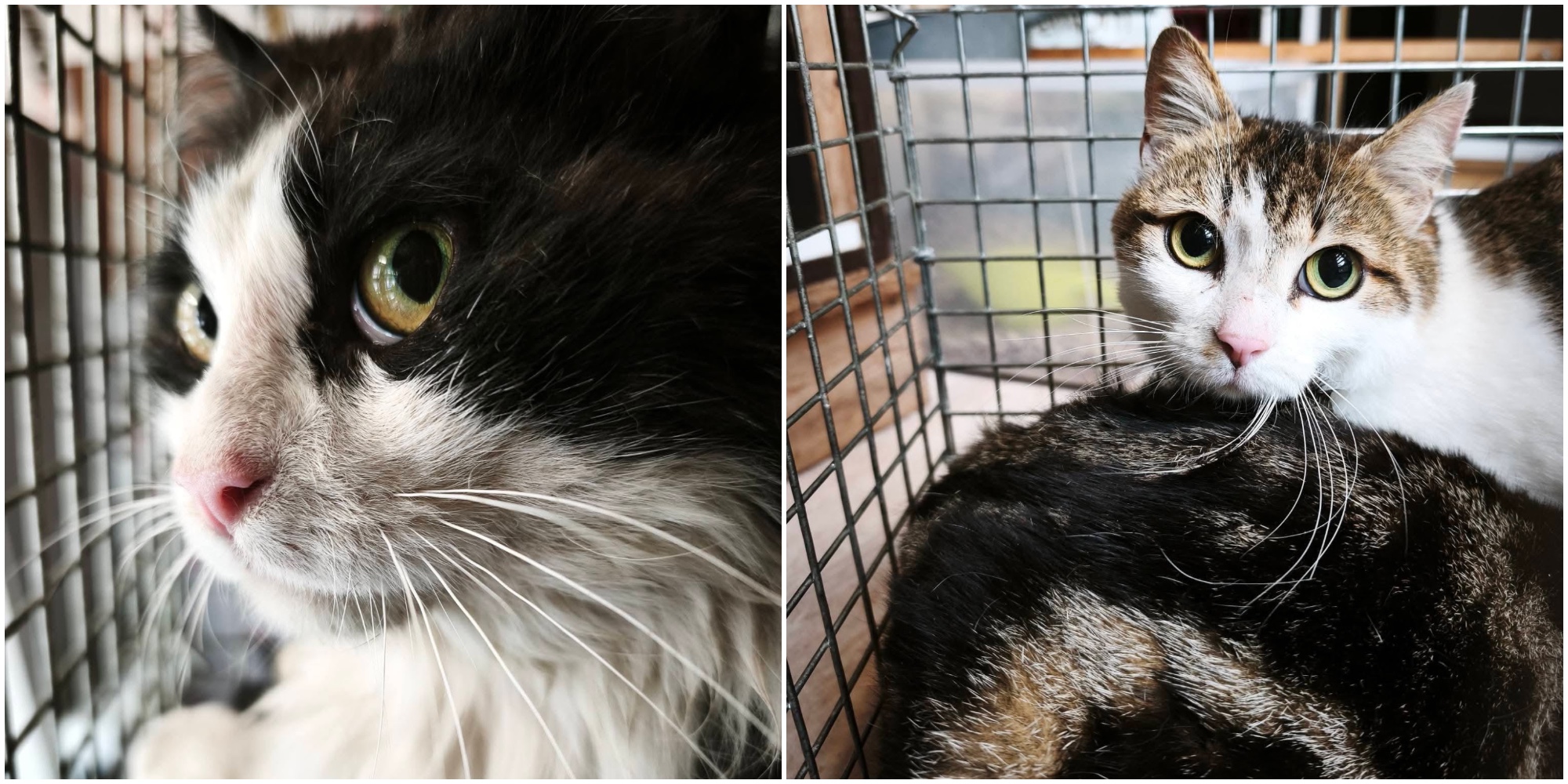
The animals seem to be in good health. Credit: handout
A long-standing issue
The case highlights ongoing challenges in managing stray cat populations in the Brussels-Capital Region, despite strict legislation introduced in recent years. Since 2018, sterilisation has been mandatory for all cats, and registration has been required since 2023. Owners who fail to comply face fines of at least €200.
According to Brussels Environment, 5,838 cats were sterilised in the region last year, including 1,400 kittens. The year before, the figure reached 6,476. In total, more than 60,000 cats have been sterilised since the law came into force.
But for Challe, these figures only tell part of the story. “Those numbers are important, but the cats we trap don’t speak. They don’t tell us who abandoned them,” she said.
Since founding Ever’y Cat in 2015 in Evere, Challe has personally trapped around 4,700 cats. Her organisation operates largely in the field, responding to calls from residents, municipalities and police about colonies in gardens, construction sites or abandoned buildings.
Local support
In Schaerbeek, the municipality supports the intervention by reimbursing sterilisation costs, as part of a long-standing partnership. “We cover the veterinary costs upfront, and the municipality reimburses us afterward,” Challe explained.
Beyond emergency interventions, Ever’y Cat also works to ensure long-term monitoring. Feral cats are only released if a local resident agrees to feed and watch over them. The organisation also installs wood shelters - more than 600 have been built by Challe’s 88-year-old father.
Still, Challe believes more needs to be done to prevent such situations. While the 2018 law marked a turning point, she argues that enforcement remains too slow and awareness too limited.
“In the meantime, unsterilised cats continue to reproduce. And who takes care of the kittens? We do,” she says, calling for stronger public campaigns and more support for field organisations.
