Belgian and Turkish defence companies met in Ankara on Wednesday during Belgium’s economic mission to Turkey, highlighting efforts to strengthen long-term partnerships in the sector.
Belgium’s Defence Minister, Theo Francken, expressed enthusiasm for closer collaboration with Turkey, describing it as a valuable ally. Haluk Görgün, head of Turkey’s Defence Industry Agency (SSB), echoed this sentiment, expressing a desire to deepen ties. Despite limited existing partnerships, officials are hoping this mission will pave the way for increased defence cooperation.
An upcoming Belgian-Turkish defence event is planned for 8 December in Brussels, aimed at fostering connections and securing contracts. Francken praised Turkey’s advanced defence industry, highlighting its innovations and research capabilities.
Belgium is keen to showcase its growing defence sector, which has experienced the largest budget increase among NATO countries, according to Francken. Meanwhile, Turkey, with 4,000 companies in the sector, has built a strong foundation since the 1970s, achieving autonomy in arms production and becoming a major exporter in recent years.
Turkish exports, including weapons and ammunition, have played significant roles internationally, such as aiding Ukraine during the early stages of the Russian invasion. However, Turkey maintains a delicate geopolitical stance, acting as a mediator between Russia and Ukraine, while refraining from imposing sanctions on Moscow. This position does not deter Belgian ambitions in defence collaboration.
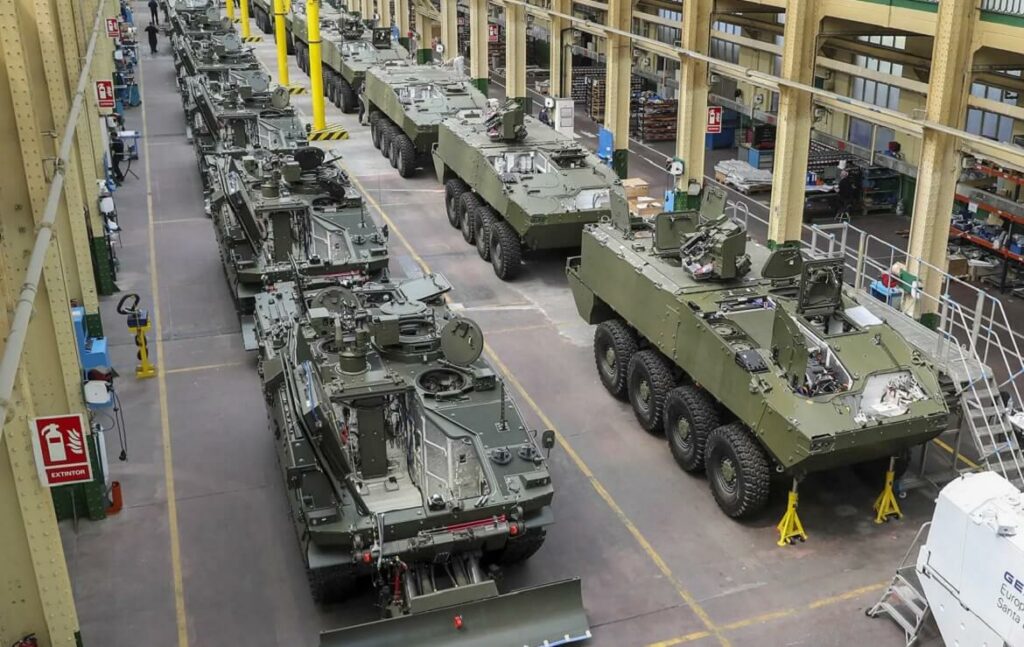
Belgian companies are already making inroads into the Turkish market. John Cockerill Defense, based in Wallonia, has signed a memorandum of understanding with Turkey’s FNSS to continue their longstanding cooperation, with plans to introduce medium tanks tailored to Turkish defence needs.
Sonaca, a major player in global aircraft body production, is looking to enhance its defence operations and has signed a cooperation agreement with Turkish Aerospace Industries, traditionally a competitor in the civilian aviation sector.
Additionally, Liège-based New Lachaussée has entered into partnerships with Turkish companies MDT Savunma Sanayi and Altuna International to expand ammunition production capabilities and explore commercial opportunities in Turkey’s defence market.
Flemish enterprises are also seizing opportunities. Ghent-based XO Advanced Systems signed a cooperation agreement with Turkish defence giant Aselsan, while Intersoft Electronics, a radar systems producer, is working to increase its presence after testing products with Turkish companies.
This push towards partnership comes amid domestic changes to arms export regulations. Wallonia is reviewing a draft law concerning arms exports to countries, including Turkey, that have not ratified the international arms trade treaty. NGOs have accused Turkey of violating several UN-embargoed arms agreements.
In Flanders, a proposed reform aims to streamline export rules for low-risk countries, although Turkey will remain excluded. Flemish Minister-President Matthias Diependaele emphasised the administrative nature of the changes rather than a relaxation of standards.
The Belgian Security and Defence Industry federation (BSDI) advocates for harmonised European-level export rules, arguing that a unified framework would reduce fragmentation and facilitate industry competitiveness across national borders.
