
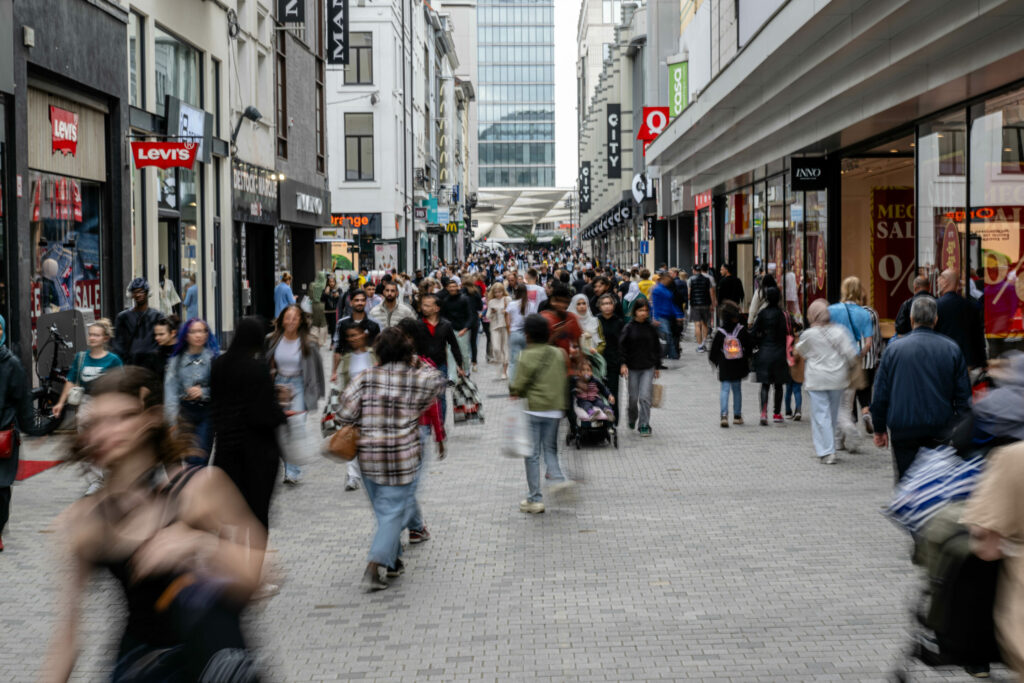
Pessimism about the state of Belgium's economy was already high last year, but a national annual survey revealed that this sense of crisis has increased further.
De Stemming is an annual survey commissioned by VRT NWS, De Standaard and RTBF, carried out by the University of Antwerp and the Université Libre de Bruxelles.
In all the country's regions, a majority of participants said that the Belgian economy has deteriorated over the past year, the survey found. This applies to around two-thirds of people in Flanders (64%) and Brussels (69%), and even to as many as three in four in Wallonia (75%).
"Pessimism has increased in all regions. It was already present in 2025, but it is even more pronounced in 2026. Therefore, there is a strong sense of crisis," the report states.
No control
There are two possible explanations for where this sense of crisis comes from, according to Professor Stefaan Walgrave (University of Antwerp), who co-led the research.
"Firstly, there is a feeling that we have no control over prices – particularly energy prices – due to international turbulence. And secondly, there is a feeling that the government can no longer protect us from these shocks," he told VRT.
Meanwhile, the Federal Government, led by Prime Minister Bart De Wever (N-VA), continues to stress the need to make savings to get the country's budget in order. "They can no longer spend money on a massive scale, as they did during the Covid-19 crisis."
An additional factor might be that this survey was conducted in March 2026, right after the United States and Israel launched an offensive against Iran – driving up the prices for energy across Europe.
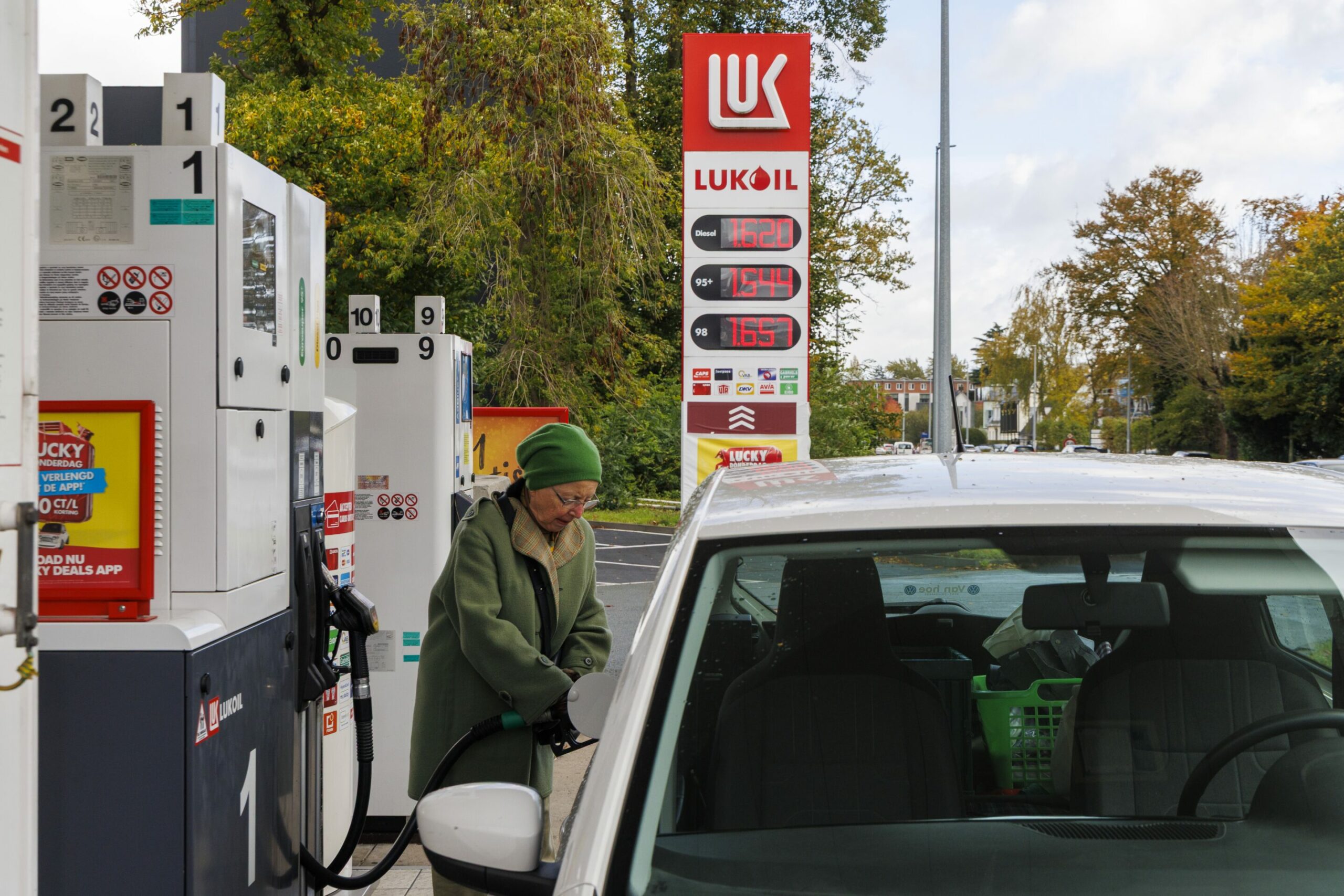
Credit: Belga/Nicolas Maeterlinck
This same concern was reflected in people's answers to the question about the biggest problems that Belgium is currently facing: one in five (20%) gave an answer relating to the state of the economy.
Purchasing power and the cost of living featured particularly high on the list of concerns, but many Belgians are seemingly also losing sleep over the country's budget and finances (15%).
"People are worried about their own finances, but also about those of the state," said Walgrave.
The main issue from 2025 (political representation) ranks second this year, while the top issue from 2024 (migration) now ranks fourth. Social transformation rounds off the top five. For this last theme, respondents referred to polarisation and individualisation, among other things.
Income gaps
Interestingly, there were clear regional differences in this list of priorities.
In Flanders, for example, people are less concerned about the state of the economy. While that issue ranked firmly at number one in Brussels (26%) and Wallonia (29%), it came in fourth place in Flanders (13%).
According to Walgrave, these regional differences are likely due to the income gap between Flanders and the rest of the country.
Illustration picture shows the interior of a supermarket. Credit: Sophie Kip/Belga
This gap could also explain the differences in responses to whether or not people could make ends meet on their wages. Less than one in five (17%) respondents in Flanders reported issues getting to the end of the month on their earnings, compared to 31% in Brussels and Wallonia – almost twice as high.
Compared to last year, the number of people who cannot make ends meet in Flanders and Wallonia has dropped slightly (from 18% to 17% in Flanders, and from 33% to 31% in Wallonia).
In Brussels, however, this number has risen sharply: nearly one in four (24%) could not make ends meet last month, compared to nearly one in three (31%) this year.
For the first time, the researchers at De Stemming also surveyed what households can and cannot afford. They gave respondents a list of expenses and asked them to indicate which items they could not afford.
At the top of the list of things that many Belgians can no longer afford is a car (26%), followed by unexpected costs (23%) and an annual holiday (22%). In Brussels, these figures rose to 37%, 28% and 27%, respectively. Around one in 10 Belgians said they do not have the money to heat their home properly or to pay their bills.
Interestingly, while just 7% of respondents in Brussels and Wallonia were worried about migration, in Flanders this was the case for 15% – ranking the issue as the third most important, just above the state of the economy (13%).
