
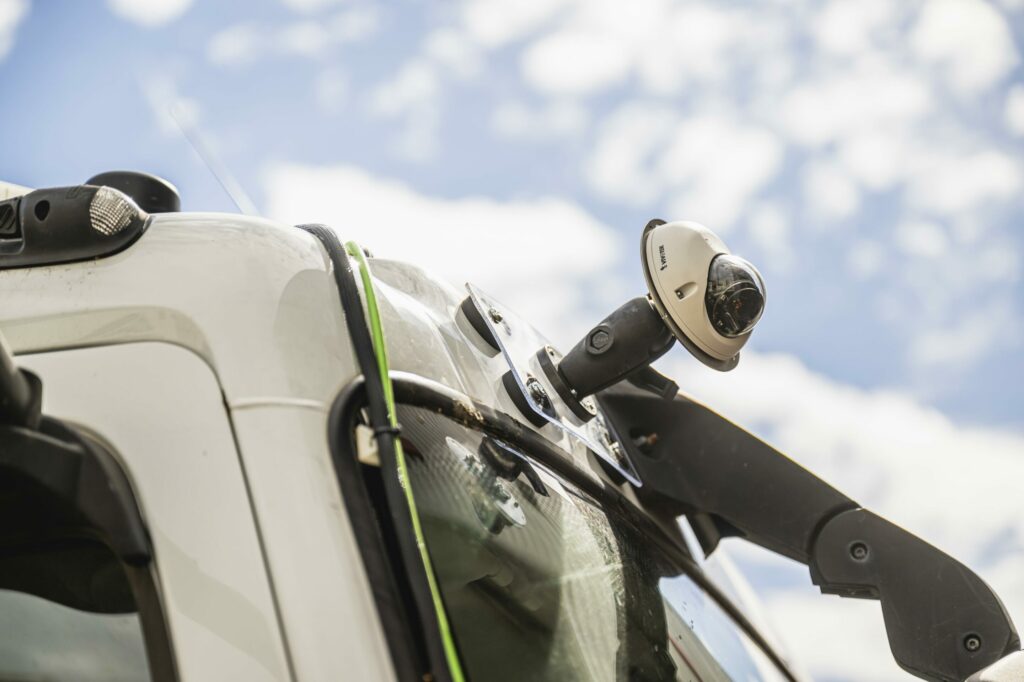
In an effort to help authorities gain a better understanding of where waste really accumulates throughout the city, AI-powered rubbish lorries are taking to the streets of Brussels.
The initiative was launched by the regional cleanliness agency Bruxelles-Propreté, following the success of a pilot project using the Cortexia system. Around 15 trucks were equipped with smart cameras and computers since 19 May, now covering 703 kilometres of roads.
Since its arrival, it has been a success. Resources have quadrupled, and the operational area is five times larger: the municipalities of the City of Brussels, Anderlecht and Ixelles are closely collaborating with Bruxelles-Propreté on this expanded project.
How does it work?
Developed by a Swiss start-up, the Cortexia system uses AI to detect and count waste scattered on streets and pavements.
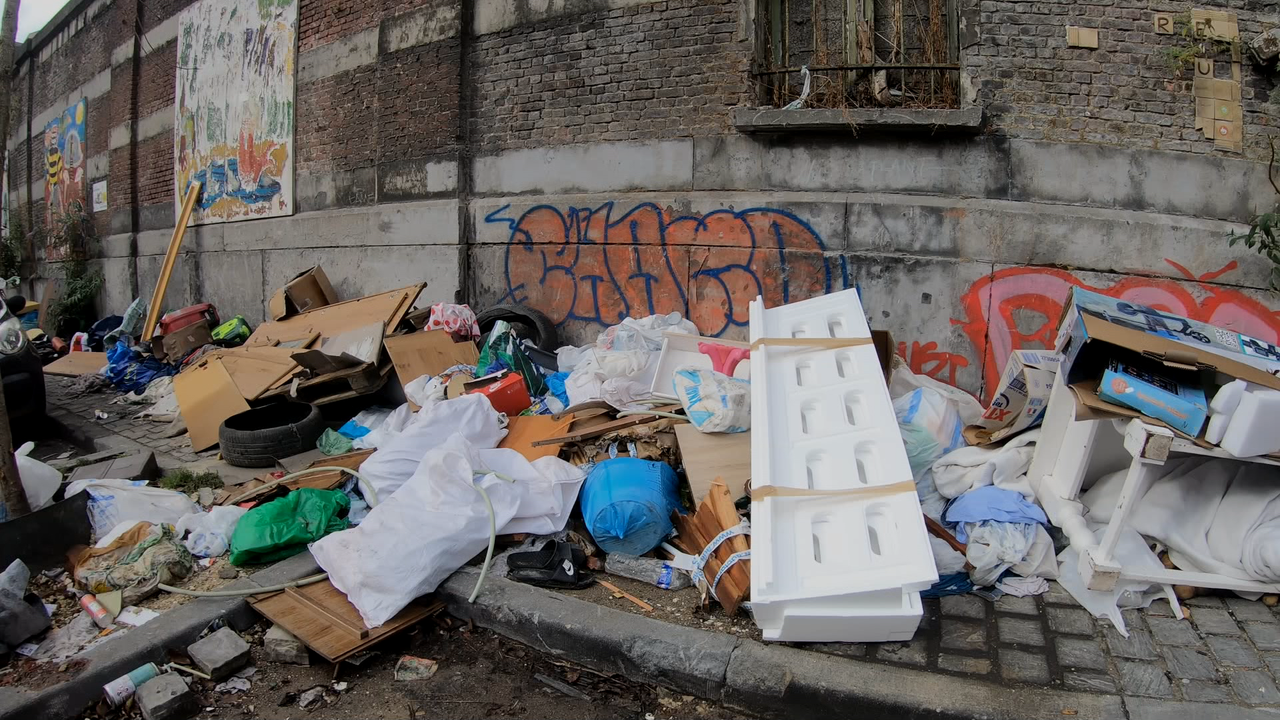
For an entire year, CCTV-like cameras will identify common litter, including cigarette butts, plastics, cans, small packaging, and dog waste. This data is then accurately linked to specific locations and times.
The system generates a Clean City Index (CCI) on a scale of zero to five. A colour-coded map will show green for what is seen as very clean streets, orange for satisfactory areas, and red for the roads that are insufficiently clean.
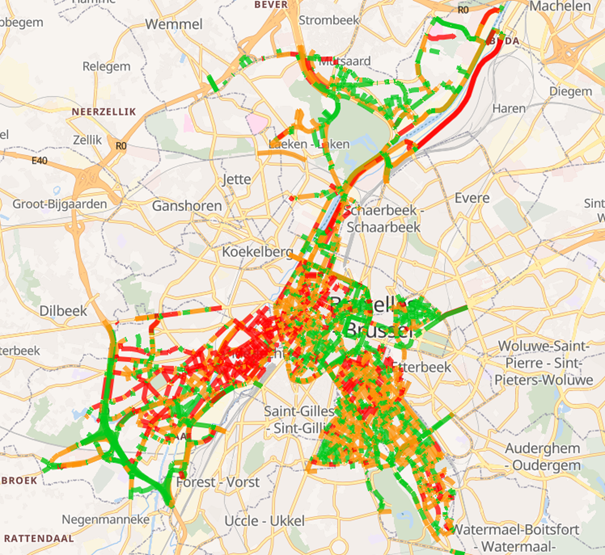
Showcase of the street mapping system. Credit: Bruxelles-Propreté
Project managers also claim to specifically safeguard the privacy of people on the streets getting into the frame.
Apparently, the cameras capture images roughly every three metres. Then they are analysed by a computer locally and "in most cases" immediately deleted.
Smarter cleaning
The core idea behind the project is to move away from standardised cleaning and deploy resources proportionally to the needs of certain areas.
"Public cleanliness is entering the era of artificial intelligence," said Secretary of State for Public Cleanliness Audrey Henry (MR). "We no longer clean the city according to habits, but according to the reality on the ground.”
The authorities also plan to measure the real impact of structural actions, such as public awareness campaigns, adjusting bin locations, and issuing fines.
Credit: Belga
Collaborating local officials have so far welcomed the data-driven approach. Councillor for Public Cleanliness for the City of Brussels, Anas Ben Abdelmoumen (PS), stated that the AI system will complement the expertise of field agents. "We will be able to deploy our teams and equipment in an even more targeted manner," he said.
Meanwhile, Councillor for Public Cleanliness in Ixelles, Geoffroy Kensier (Les Engagés), noted that he hopes this project will improve cleanliness in the municipality, as it is a prime destination for drinking and entertainment.
AI throughout Brussels?
The project is heavily backed by Fost Plus, a Belgian non-profit champion of packaging recycling, known for managing the PMD blue bag.
As part of a €1 million action plan for 2026, the organisation has invested €218,000 in the Cortexia rollout. They stress that litter on the streets is waste that has not been collected or recycled – and, therefore, a valuable resource that has been wasted.
A final evaluation of the expanded project is scheduled for spring 2027. Authorities will then decide whether it is appropriate to deploy the AI solution across the entire Brussels-Capital Region.
