
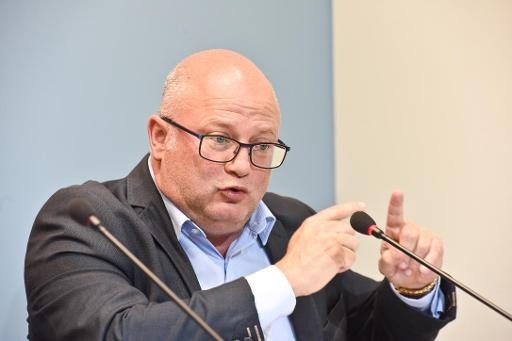
Belgium wants to look at a 'pragmatic' relaxation of the ban on the sale of new petrol and diesel cars from 2035. Federal Climate Minister Jean-Luc Crucke indicated this on Thursday during a debate with his European counterparts in Luxembourg.
“Electrification must be the way forward, that must be stated clearly,” Crucke emphasised. “But on this issue, Belgium is prepared to give preference to a pragmatic and balanced approach that reconciles climate ambition with the competitiveness of the automotive sector,” the minister added.
At the end of last year, the European Commission proposed relaxing the ban on the sale of petrol and diesel cars from 2035.
By that year, car manufacturers are expected to reduce average emissions by 90 percent instead of 100 percent. The remaining 10 percent would be compensated for, among other things through the use of low-carbon steel or through e-fuels and biofuels.
Crucke described the Commission's proposal as “a basis for discussion”. However, he insisted on preventing car manufacturers who have already invested heavily in electrification from being disadvantaged. The minister also expressed his support for incentives for the production of small electric cars, which he labeled “socially indispensable”.
The proposal came about primarily under pressure from Germany, which had requested relaxations to protect its struggling automotive sector.
However, an agreement among the member states is not yet within reach. France, for instance, remains hesitant. Minister Monique Barbut warned on Thursday against alternative fuels “that are comparable to electric driving in terms of neither emission reduction nor purchasing power.”
Barbut also pointed to the “spectacular” rise in electric car sales after the crisis in the Middle East had driven up oil prices.
European Commissioner for Climate Wopke Hoekstra calculated that the switch to electric cars has already led to savings of approximately €4.5 billion per year on the import of fossil fuels.
