
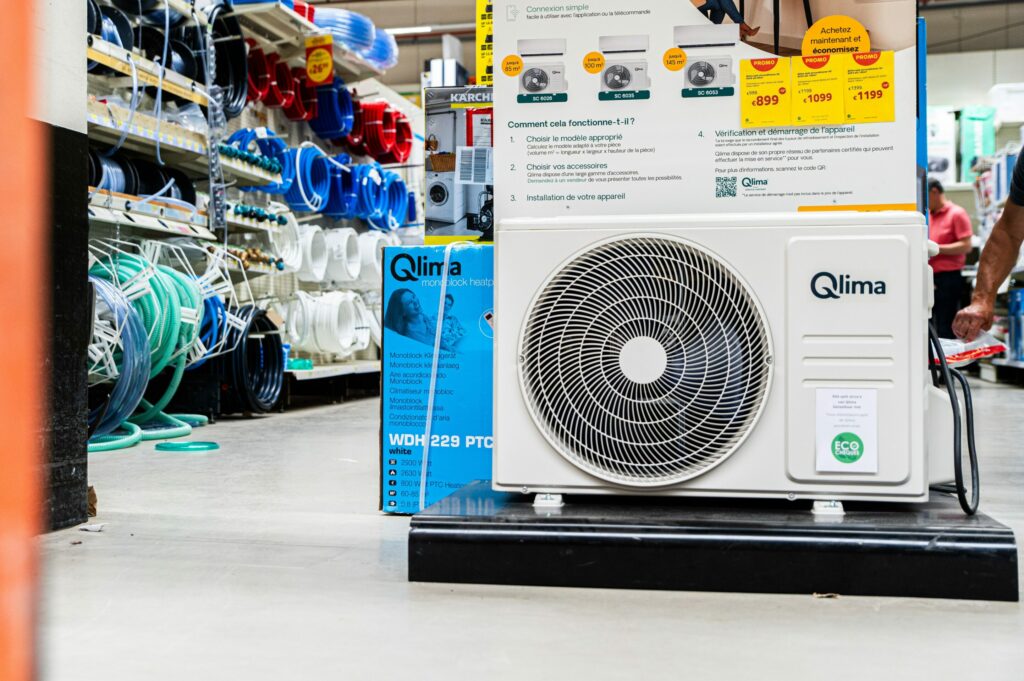
The use of air conditioning has been increasing across Europe, including Belgium. How is this affecting home-buying decisions?
The Brussels Times' analysis of Eurostat figures published this week shows that in 2022, Belgium saw a 167% increase in the share of energy used for household cooling.
Belgium's hottest year since records began was 2022, and came with additional dry periods in March, July and August, which kept temperatures high.
Looking more long-term across 2018 to 2024, Belgian households doubled the share of energy used for household cooling, in line with the EU average.
For home buyers, cooling systems are becoming important, according to Confederation of Real Estate Professionals (CIB) spokesperson Kristophe Thijs.
"Air conditioning is becoming a noticeably stronger selling point in Belgium, including Brussels, but it is not yet a deciding factor for most buyers in the same way that EPC rating, insulation, location or outdoor space are," he told The Brussels Times.
Cooling from a low starting base
The doubling in air conditioning use across Belgium and Europe starts from a low base.
Eurostat's data shows that in 2024, just 0.13% of total household energy use in Belgium was for cooling homes, against an EU average of 0.84%. Only 8 countries sit above the EU average, with Cyprus (16%), Malta (15%) and Greece (7%) leading the pack of outliers.
But this is changing, according to the International Energy Agency, "demand for cooling is increasing quickly as temperatures, populations and incomes rise."
In 2024, data from Statbel – Belgium's statistics agency, shows that 10% of households had an integrated air conditioning system, but with regional differences. While 13% of homes in Flanders had one, only 4% in Brussels did.
For mobile air conditioning units, the figures are more equal across regions, on average 10% of households have access to a unit. For many smaller homes and apartments like those in Brussels, where rentals make up the largest share of households, mobile units are likely doing more of the cooling work.
Data tracking sales shows that in subsequent years Belgians have continued to invest in air conditioning. The summer heatwave in 2025 drove a 17% growth in air conditioner sales according to the Belgian Association for Refrigeration and Air Treatment (Frixis).
Last month, electricity consumption in Brussels spiked 11% with the heatwave, with Sibelga attributing this to an increase in home cooling.
The regional Flemish Government wants to go further, recently publishing a "heat pump plan" with the aim of making the use of heat pump air conditioning systems common practice.
"By investing heavily in heat pumps, we’re killing two birds with one stone," said Flemish Minister for Energy and Climate Melissa Depraetere (Vooruit). "We are ensuring that more people can keep their homes cool during heatwaves and, at the same time, heat their homes in a climate-friendly way during the winter."
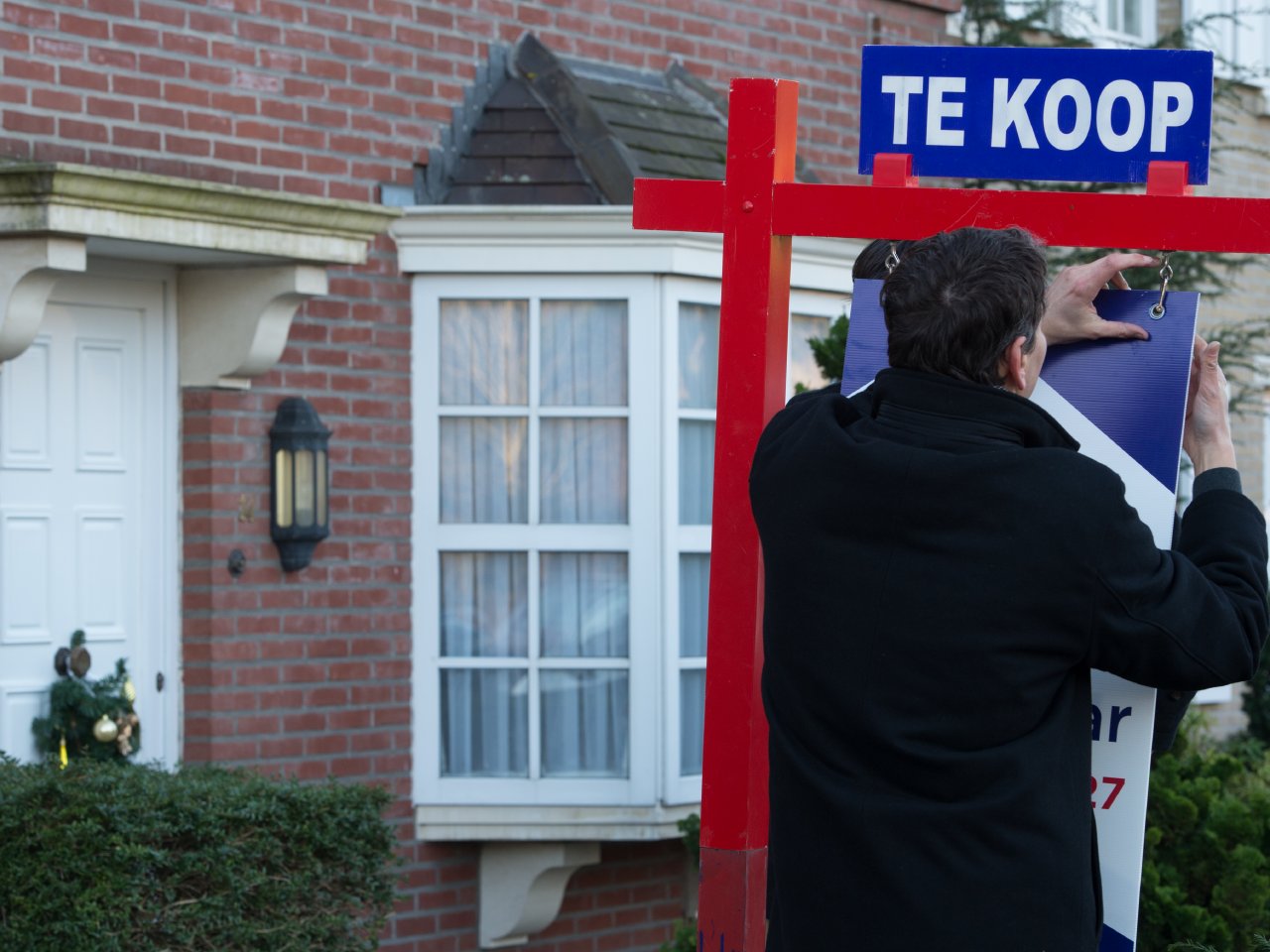
Credit: Belga
What Belgian buyers now expect
With two summers in a row of extreme heat, new home buyers are now considering air conditioning as part of their purchase, according to Thijs.
"The past few summers have changed buyer behaviour. Repeated heatwaves have made overheating a much more tangible concern, particularly in apartments and newer, well-insulated homes that can retain heat."
However despite this changing interest, Thijs noted that "buyers generally won't pay a large premium solely for air conditioning, but they increasingly appreciate not having to install it themselves." Instead where two properties are similar, buyers are starting to use the presence of air conditioning to "differentiate" between them.
As Belgium continues to bake in deadly heatwaves, for many home buyers air conditioning looks set to become an expected requirement in the future. This is especially true in homes built more for heat retention during the winter, rather than extreme heat in the summer.
