
On the surface, Flanders seems like a homogeneous region, but the 6.8 million people living in the five provinces that make up the region couldn't be more distinct if they tried.
While exploring Flanders, it is important to understand what to expect from each place you visit and the people you will meet. Every province has its own temperament, shaped by centuries of history, geography and local traditions.
Before choosing which Flemish province to visit next, find out which one is just right for you.
West Flanders: hardworking and grounded
West Flanders is a place for go-getters, where mud belongs under your shoes and nails. Where fields are meant to be ploughed, and businesses are meant to thrive. Where being understood is more important than being well-spoken—a place with its own rhythm and rhyme.
The region carries the heavy weight of history in its soil, with row upon row of white graves marking the fields where fierce battles were fought during the First World War.
The people are fiercely local, with each village having its own distinct accent and reputation. Don't tell someone from Bruges that they're the same as someone from Roeselare. And Geluwe and Gullegem are as distinct.
Visit West Flanders to experience the history of the First World War in the Westhoek, the historic centre and churches of Bruges, the Belgian coast and its dune parks and peaceful polders.
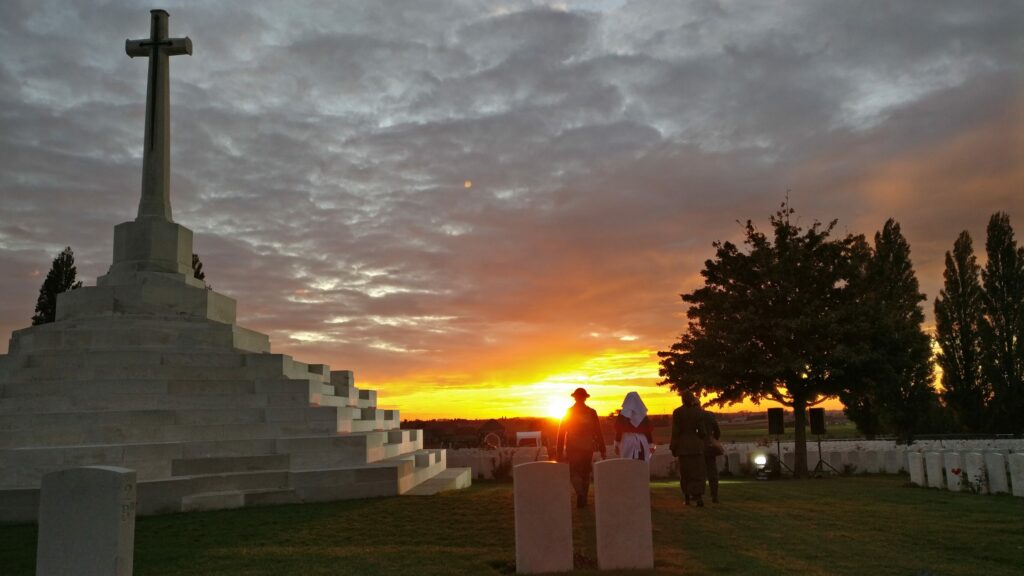
The Tyne Cot Commonwealth War Graves Cemetery in Passchendaele. Credit: Belga/Stephanie Demasure
East Flanders: Artistic and free-spirited
East Flanders does things its own way. It embraces historic traditions, local folklore and rivalries with a healthy dose of self-mockery and a rebellious spirit. But despite holding the past near and dear, it lives and breathes innovation and youthful energy.
A melting pot of Flemish cultures due to the draw of its university, Ghent is the heart and soul of East Flanders. The historic trade and textile city has rejuvenated itself while keeping its medieval frame. A young heart with an old soul.
That duality is found all over the region. Historic festivities and parades are celebrated with an intensity found nowhere else, but as often morph into new, modern versions, drenched in sharp comedy and social critique.
Visit East Flanders for its many historic celebrations, from Carnival in Oilsjt to the Bayard procession in Dendermonde, its iconic cobbled hills, the fortnight-long festival in Ghent, and renowned breweries.
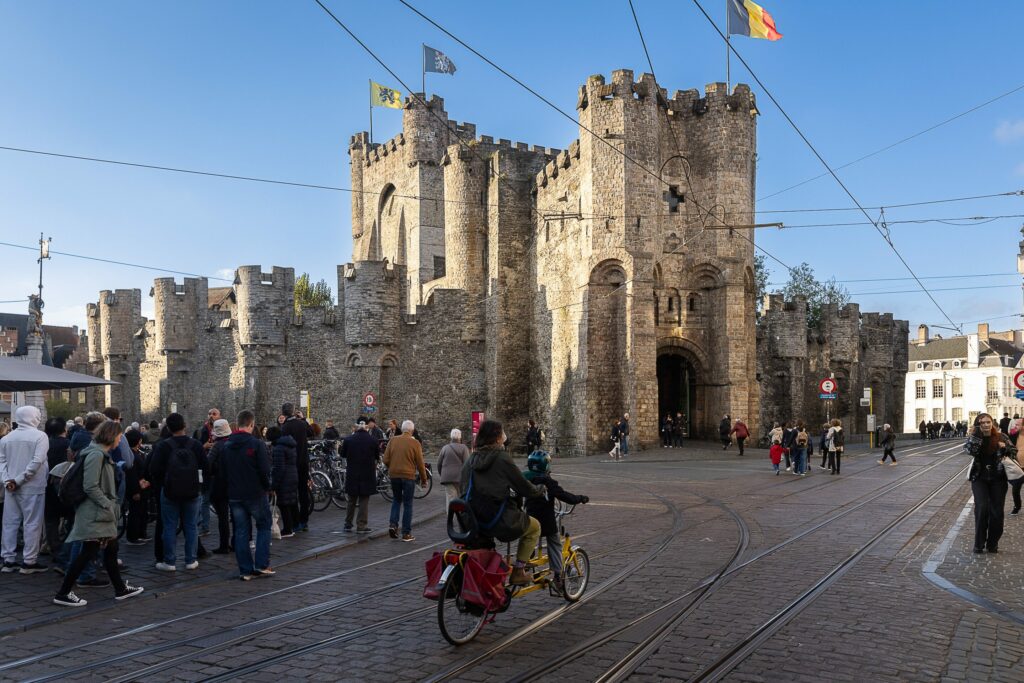
Gravensteen Castle in Gent. Credit: Belga/James Arthur Gekiere
Antwerp: Bold and ambitious
For Antwerp, believing in yourself is the beginning of everything. Being the largest Flemish province and economic heartland thanks to the port and related industries, Antwerpenoaren exude a confidence that is often misunderstood as being dismissive and cocky, not helped by popular local sayings like "You're Antwerp, or parking space" – implying that for people from Antwerp, the rest of Belgium is merely a car park.
Due to its historic trade routes, Antwerp has always had people from all over the world settle within its walls. To this day, it claims to be the city with the highest number of nationalities in the world. When the world comes to you, you imagine yourself its capital.
The province has much more to offer than just the city that bears its name. The Kempen in the east offers a slower, more grounded way of life, while the River Country around Mechelen shares Antwerp's pride in quieter fashion.
Visit Antwerp for world-class museums and art, its sizeable cathedrals, local and international cuisine, its abbeys and their beer and cheese, and a groundbreaking fashion industry.
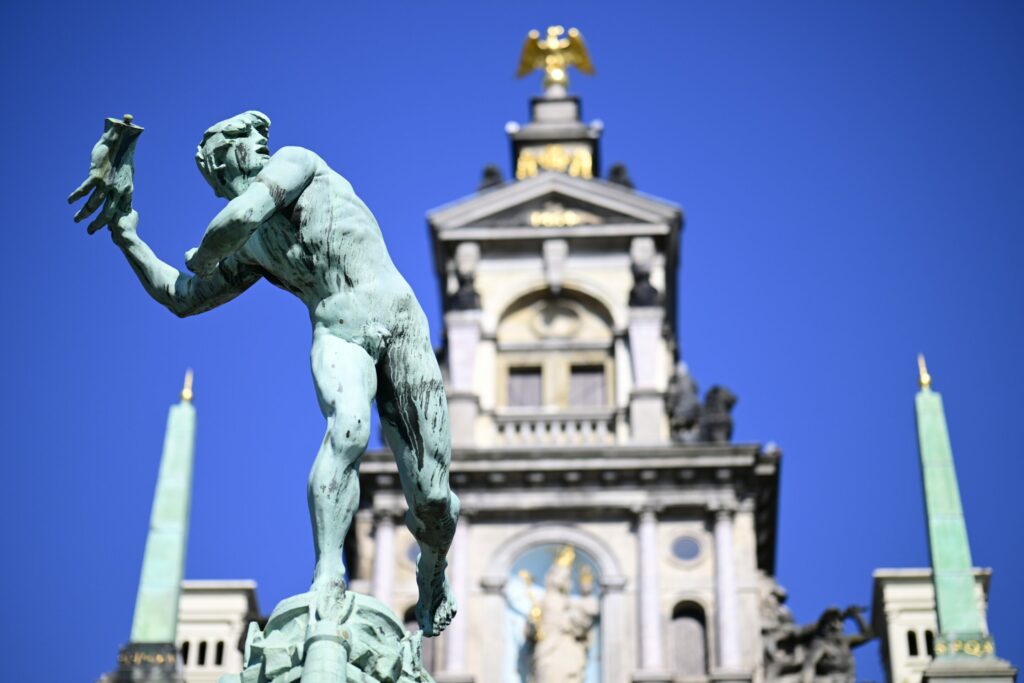
Brabo Fountain from the Grote Markt square in Antwerp. Credit: Belga/Tom Goyvaerts
Flemish Brabant: balancing and bridging
Flemish Brabant falls between two worlds. It forms a bridge between Brussels and the countryside surrounding it, between its Walloon sister province to the south and its Flemish neighbours to the north. It therefore has to navigate between language, culture and identity.
This mixture makes Flemish Brabant a perfect encapsulation of Belgium; a balancing act between forces pulling in different directions. It does so quietly, without claiming too much credit.
That balancing act is reflected within the province itself. To the west, the Bruegelesque hills of the Pajottenland embrace local identity and traditions, while the rolling hills of Hageland and Leuven in the east are symbolic of innovation.
Visit Flemish Brabant for the historic streets and beguinage of Leuven, the green hills and vineyards of the Hageland and the lambic beers of the Pajottenland.
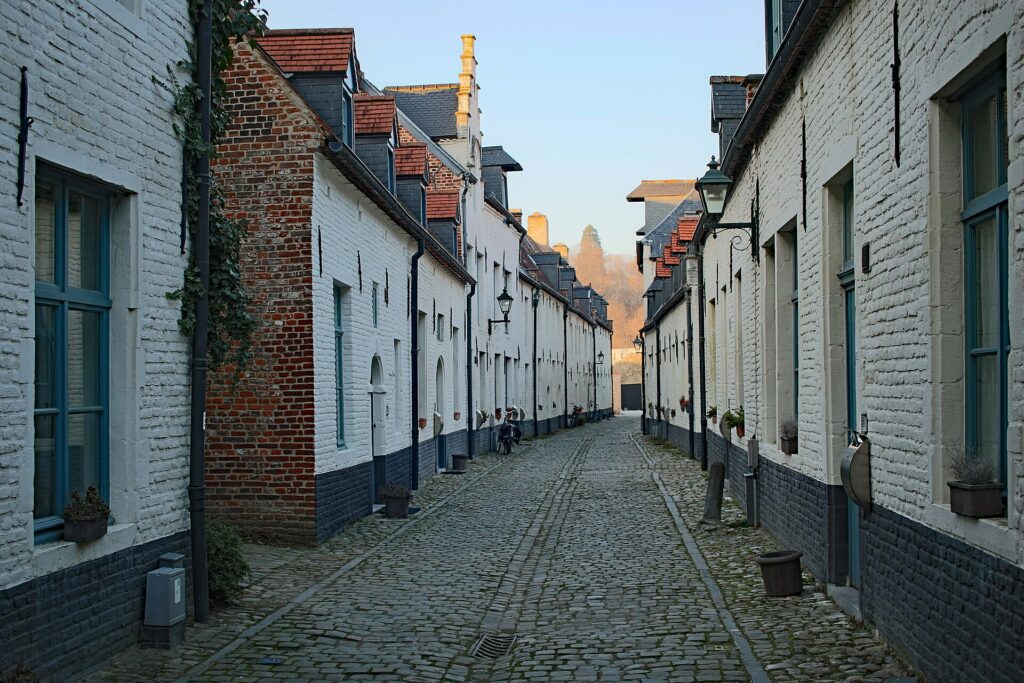
The small Beguinage in Leuven. Credit: WikiMedia Commons
Limburg: Quiet and warm
Limburg welcomes you with open arms, offers you a place at the table and a bed to stay. Its people are known for their warmth and hospitality, and perhaps have the strongest shared identity of all the provinces. Historically isolated from the rest of Flanders, Limburg is often seen as the odd one out.
But being different is part of the charm. While their distinct accent has been the butt of jokes since the beginning of time, they're not part of the regular inter-Flemish animosity. They're liked by everyone, and like everyone.
Its forests, heathlands and historic isolation have made Limburg a land of myths and legends, of goat-riding robbers and witches in wells.
Visit Limburg for the calm of rural villages, blossoms in spring and fruit in summer, the vast landscapes of its national parks, the Meuse valley and its Gallo-Roman heritage and the history of the mines and terrils.
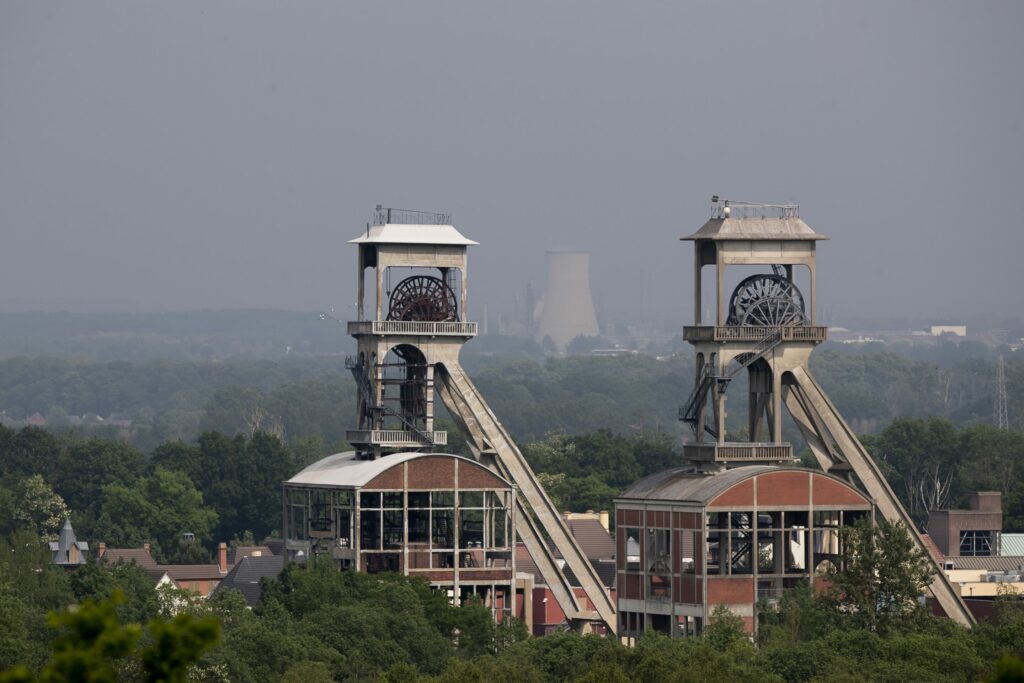
The former coal mine in Eisden-Maasmechelen. Credit: Belga/Kristof Van Accom
