

Belgium is a small, densely populated country, which means that more often than not you will be surrounded by friendly and also unfriendly neighbours.
While Brussels residents are generally known for their easygoingness, an average apartment in the Belgian capital shares landings, walls, ventilation shafts and more – which can sometimes lead to inevitable frustrations.
Neighbourly disputes can, of course, arise in any city – and you want to come into it prepared. This practical guide outlines how to defuse disputes legally, preserving your sanity without spending years in courts.
What does the law say?
First things first, Belgian property law is defined mostly by the Belgian new Civil Code. It explicitly dictates how neighbours must interact.
A crucial point is that it mandates that citizens tolerate "normal" neighbourhood inconveniences. For example, you cannot demand absolute silence in a city centre or expect a farm to smell like a bed of flowers. So before doing anything, you need to first establish how reasonable your qualm is.
The law intervenes strictly when a disturbance breaches this baseline and becomes "excessive" with three specific factors in mind: frequency, intensity, and timing.
Dropping a heavy pan at noon is normal, but drilling at midnight would constitute a legal nuisance.
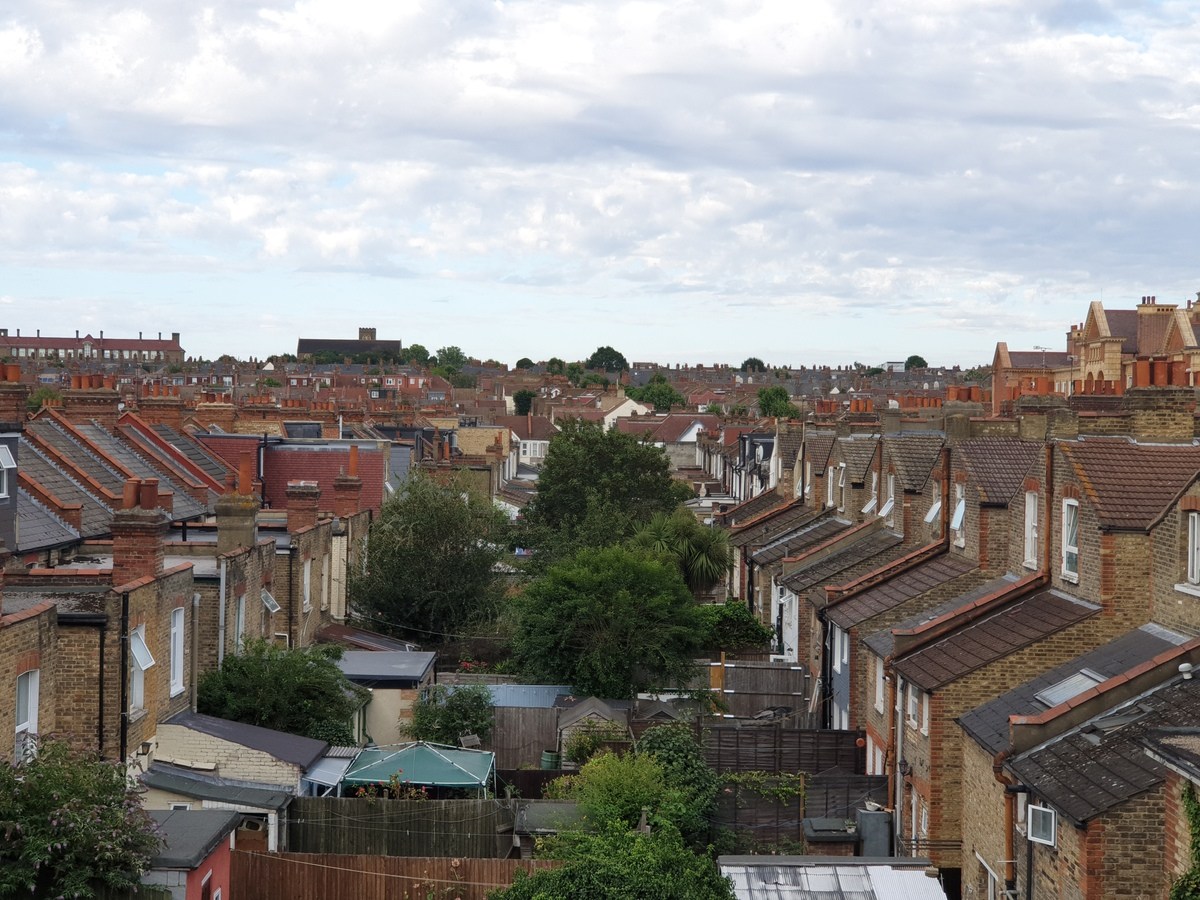
Illustration image of a row of back gardens. Credit: PxHere
Your tools against nasty neighbours
Resolving a dispute requires using specific tools which differ in escalation. Jumping straight to legal action will rarely benefit anyone.
Most judges expect adults to attempt mediation. Only when and if it fails, will they step in. This list provides tangible solutions, starting with the baseline and following with stronger actions further down below.
Level 0: The friendly chat
The mandatory opening move is to casually inform your neighbour about any nuisance that you believe is over the "normal" threshold.
It is advised to do so during daylight hours, keeping the tension low, with a strictly neutral or friendly, but affirmative tone. At this point you will likely find out that your neighbour didn't intend to send vibrations with their heat pump through your bedroom floor.
Level 1: The paper trail
If the nuisance continues despite the 'friendly chat', you can subsequently post a formal registered letter. State the exact problem, list the dates of occurrence, and propose a specific, realistic solution.
Belgian courts heavily favour those who produce this physical receipt as proof of an attempted amicable settlement. Even the more stubborn neighbour can often find a formal notice more intimidating and refrain from any further nuisance.
Level 2: Neighbourhood mediation
Many municipalities fund professional, entirely free neighbour mediation services (burenbemiddeling / médiation de voisinage) to keep disputes out of court.
A neutral third party hosts a structured conversation on neutral ground. The primary objective here is to draft a binding, signed agreement between you and your neighbour. Crucially, both parties need to negotiate in good faith for a successful outcome.
Level 3: The community officer
Every street is covered by a designated community officer (wijkagent / agent de quartier). These uniformed officers specialise in chronic friction rather than active emergencies.
They have the authority to stop by for informal checks, issue soft warnings, and explain municipal bylaws directly to the offender. While it is rare for them to issue financial penalties, they have the full right to do so or write up an evidentiary document in case they notice anything illegal first-hand.
Level 4: Local police precinct
Active, non-violent disruptions require dialling the non-emergency police line. Patrols are the ones who arrive at a 03:00 garden party immediately to halt it.
They write official reports and routinely issue administrative fines for public nuisance. These written reports form the evidentiary backbone of any future civil litigation.
Level 5: Justice of the Peace
This is the ultimate legal arena for civil disputes involving sums under €5,000 and your nuclear option.
It is a specialised court (Juge de paix / Vrederechter) that bypasses the heavy legal fees associated with higher tribunals. A judge physically inspects the site, examines the evidence, and issues a legally binding verdict to cease the activity or pay damages.
Emergency line (101)
Dial 101 in situations of active violence, immediate physical threats, or ongoing property destruction.
Credit: Belga / Laurie Dieffembacq
The common battlegrounds
Noise complaint:
Barking dogs, thumping subwoofers, and late-night DIY projects generate the vast bulk of residential friction. Document everything, logging the exact start times, stop times, and the nature of the sound.
Under the Brussels-Capital Region law, audible neighbourhood noise is legally capped at 45 decibels after 22:00 on all weekdays and Saturdays. Sunday is completely off-limits with a ban on home renovations or use of power tools.
If the noise is chronic but low-level, invite the community officer to inspect the property during the day. For midnight infractions, call the local precinct while the noise is actually happening.
Police need to witness the disturbance firsthand to draft an accurate and actionable report and take further action.
Trees and boundaries:
Belgian zoning laws dictate strict rules regarding flora. High trees must stand at least two meters from the shared property line. Hedges require a 50cm buffer from the fence.
Never prune a neighbour's overhanging branches yourself. You must formally request the owner to act via registered letter. The law grants them exactly 60 days to cut the offending limbs. If they ignore the deadline, you can use the Justice of the Peace to force compliance.
Accidental property damage:
You do not need to ring the police if the damage is clearly accidental. Exchange contact details immediately and take wide-angle photographs of the scene. Belgian family liability insurance (assurance familiale / familiale verzekering) routinely covers these civil accidents.
If they refuse to contact their insurance broker or pay for the damage, send a registered letter stating that the neighbour is legally liable. The final option is to talk to your own insurance as they will likely pursue the neighbour themselves or escalate to the Justice of the Peace.
Odour nuisances:
Smells are notoriously difficult to quantify and prove in court. For example, smoke from a poorly maintained wood stove creates immediate respiratory issues, but proving that evidence is tough.
Try to focus on violations the community officer can verify: burning anything toxic, using treated wood or maintaining an illegal, uncovered compost heap close to the property line. These actions violate specific municipal environmental codes, providing clear grounds for police intervention.
Aggressive and criminal conduct:
Verbal abuse, physical intimidation, and intentional vandalism sever the social contract entirely. Forget mediation. If someone deliberately keyed your car or poisoned your plants, you likely shouldn't be having a friendly chat with them.
As mentioned, if you face immediate physical danger, dial 101. For retrospective vandalism, try to secure any available doorbell or other camera footage immediately. Perhaps another neighbour filmed the interaction from the side.
Bring this digital evidence directly to the local police station to file a formal criminal complaint.
