
As an elegant escape hatch, Spa has long understood the art of slowing down.
Tucked into the folds of the Ardennes, the town offers that increasingly rare combination: grand history without stiffness, nature without ruggedness and wellness without self-seriousness. Visitors come for the thermal waters, of course, but stay for the atmosphere – a place where forest trails, Belle Époque galleries, mineral springs and excellent lunches all seem to exist within a few leisurely minutes of one another.
Yet Spa is far more than a wellness destination. There is a faint glamour to the town that lingers from its centuries as Europe’s playground for aristocrats, artists and royals. Formula One engines still roar through the surrounding hills, contemporary boutiques occupy refined old villas and café terraces fill with walkers, cyclists and weekenders taking the waters between shopping and apéritifs.
While Romans left traces in Spa – its name likely derives from the Latin sparsa fontana (‘gushing fountain’) – the town evolved from a small Ardennes settlement into Europe’s fashionable thermal retreat. By the 18th century, aristocrats, royals and intellectuals flocked there to take the waters, earning Spa the nickname ‘Café of Europe’. The town became a place to see and be seen, where outdoor meetings were scheduled by the hour, and locals coined the term bobelins for influential and/or wealthy visitors.
Spa also amassed a remarkable list of firsts, from the world’s second-oldest casino to Belgium’s first automobile sporting event. Despite setbacks, including French occupation and a devastating fire in 1807, the town enjoyed a second golden age in the late 19th and early 20th centuries. Today, its restored villas, elegant galleries and renewed luxury hotels suggest yet another renaissance may be underway.
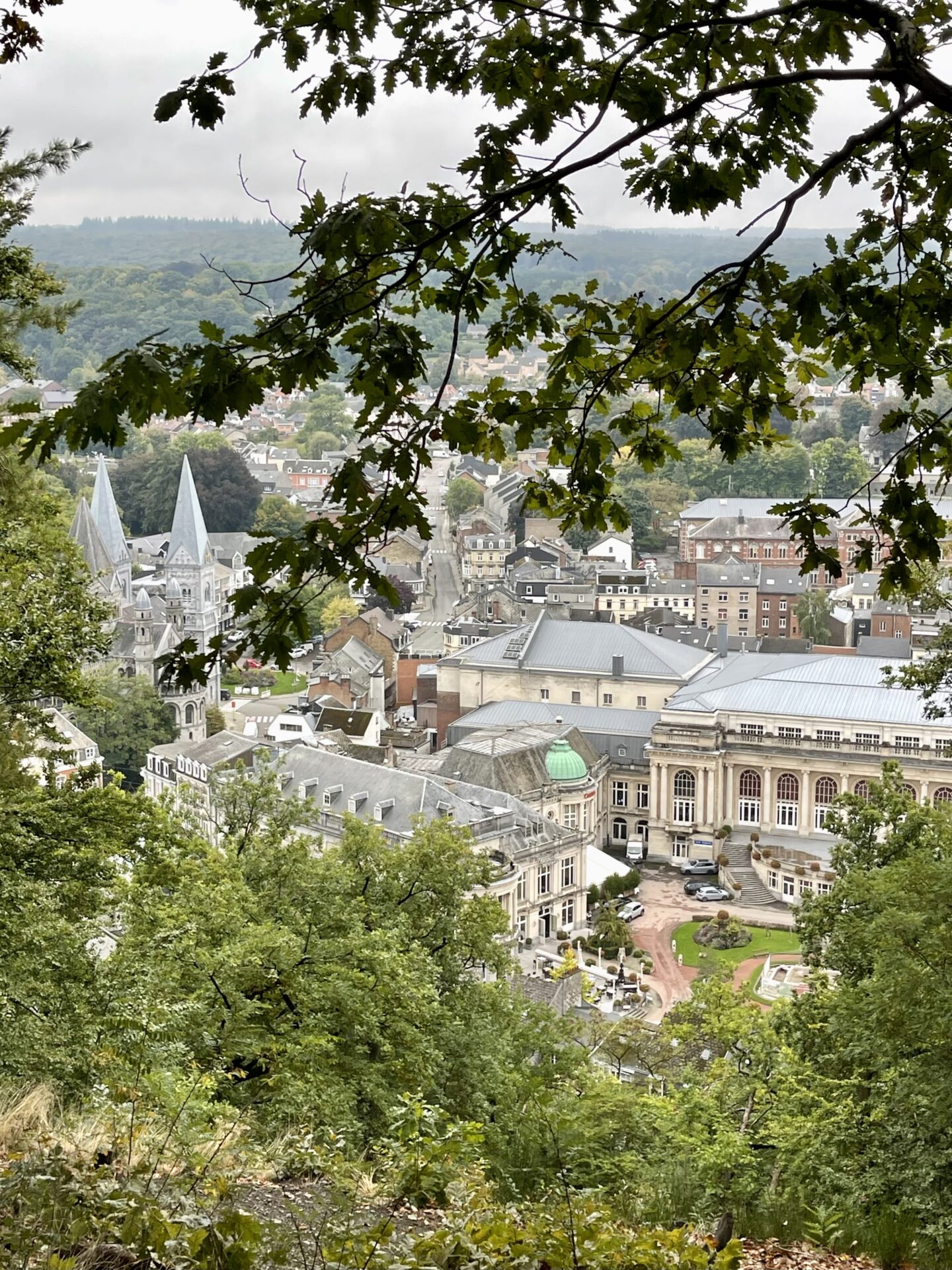
Spa city view. Credit: The Brussels Times / Angela Dansby
Curative waters
Les Bains de Spa opened in 1868 as the town’s first thermal baths and is now a five-star hotel. Les Thermes de Spa opened in 2004 with an indoor-outdoor mineral water swimming pool. Both offer balneotherapy (external treatment) in copper tubs – required to stand up to the acidity of iron-rich, carbonated water – and crenotherapy (internal treatment) by consumption.
You can get a boost of iron and other minerals by drinking water from Aux Armes d'Autriche fountain next to the funicular. The slightly carbonated water comes from Marie-Henriette Spring, named after the late Belgian queen who spent her last six years in the town. The water is so iron-rich that it tastes and smells metallic and has rusted everything around it. But it is safe and healthy to drink in moderation.
There are seven marked springs around Spa. Pouhon Pierre-le-Grand, the original source discovered in the 16th century, sits beneath a green-domed pavilion dating from 1880 that now houses exhibitions and the tourist office. A statue outside honours Peter the Great, who spent a month in Spa in 1717 and later promoted the waters after claiming they cured his ailments.
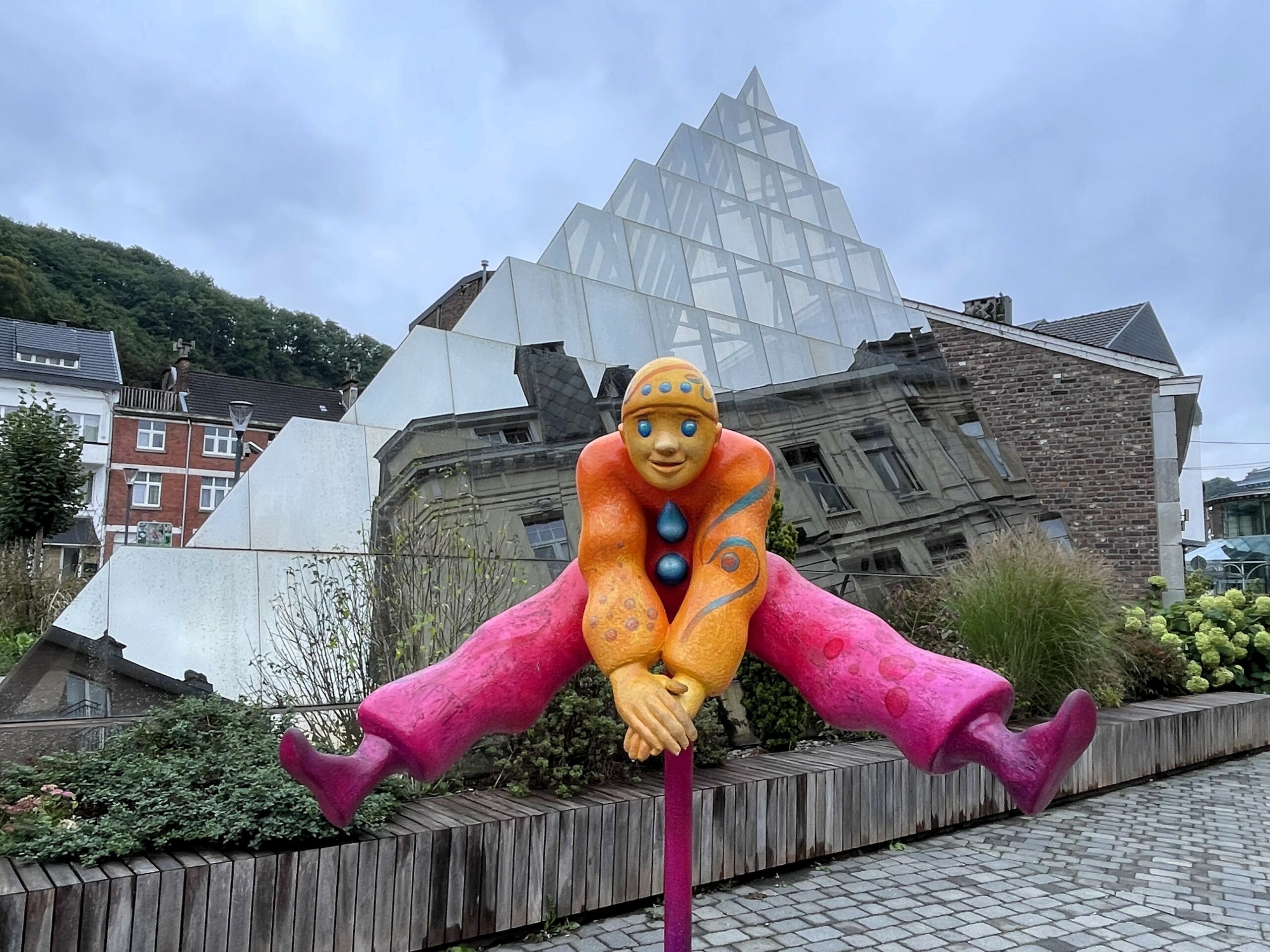
Spa pyramid spring & Pierrot sculpture. Credit: The Brussels Times / Angela Dansby
Nearby, the Cascade Monumentale fountain lists in gold lettering some of Spa’s most illustrious visitors, from Belgian monarchs and Victor Hugo to Albert Einstein and Herbert Hoover. Other notable springs include the striking Pyramide Prince de Condé and the Source du Tonnelet, marked by a red gazebo.
Since 1921, Spadel has bottled Spa’s mineral water, now sold worldwide. The town’s Pierrot mascot – a clown leaping over a spring – appears across the city in colourful sculptures known as La parade des Pierrots.
Art & crafts
Le Livre d’Or, Antoine Fontaine’s vast 1894 painting of famous bobelins, took 12 years to complete. Violinist Georges Krins, who died on the Titanic and once lived in Spa, is commemorated in a mural on the facade of Hôtel Cardinal, the town’s oldest hotel.
Spa is also known for jolités, hand-decorated wooden objects crafted from local maple soaked for months in iron-rich water. The tradition survives in items such as walking sticks and picture frames, sold at Manufacture des Boîtes et Jolités and the autumn Foire aux Jolités.
Architecture
The iron-and-glass Galerie Léopold II in Parc de Sept Heures was built in 1878 as a sheltered promenade for the bourgeoisie and beautifully restored in 2024. The 130-metre gallery now hosts a Sunday brocante, while nearby stand the Queen Marie-Henriette Pavilion and the Petit Jeux Pavilion, home to Brasserie de Bobelines.
Spa’s Hôtel de Ville occupies the former Grand Hôtel de Spa, while Villa Le Vert-Bois – restored in 2024 – combines antique shop and guesthouse charm. Across town, the pale pink Vauxhall, once Spa’s second casino, is undergoing restoration.
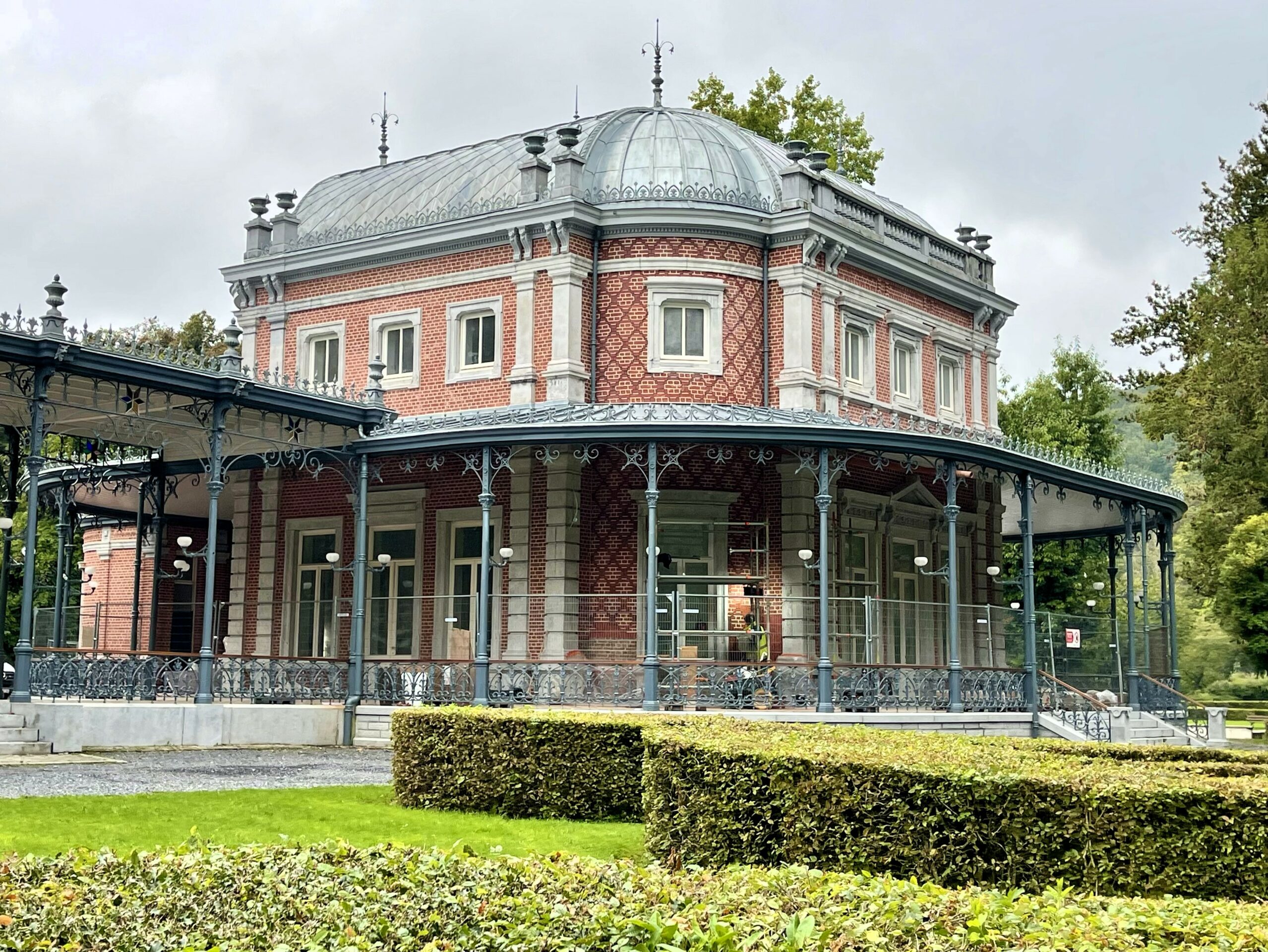
The Pavillon des Petits Jeux in Spa. Credit: The Brussels Times / Angela Dansby
There are some notable Art Nouveau houses in Spa: the Charlier House, commissioned by the industrialist Victor Collard to the Liège architect Gustave Charlier in 1900, with the facade made of jade-coloured glazed bricks; Villa Emma, an 1855 house redecorated with Art Nouveau elements, including polychrome ivy, ceramic flowers; and the Rayon de Soleil House, the personal home of architect Arthur Noël, notably for the copper plaque on the door decorated with sunlight rays.
Église Notre-Dame et Saint-Remacle, built in 1885, contains delicate, white-painted wooden statues and a colourful figure of Saint Remacle, the missionary bishop who brought Christianity to the region.
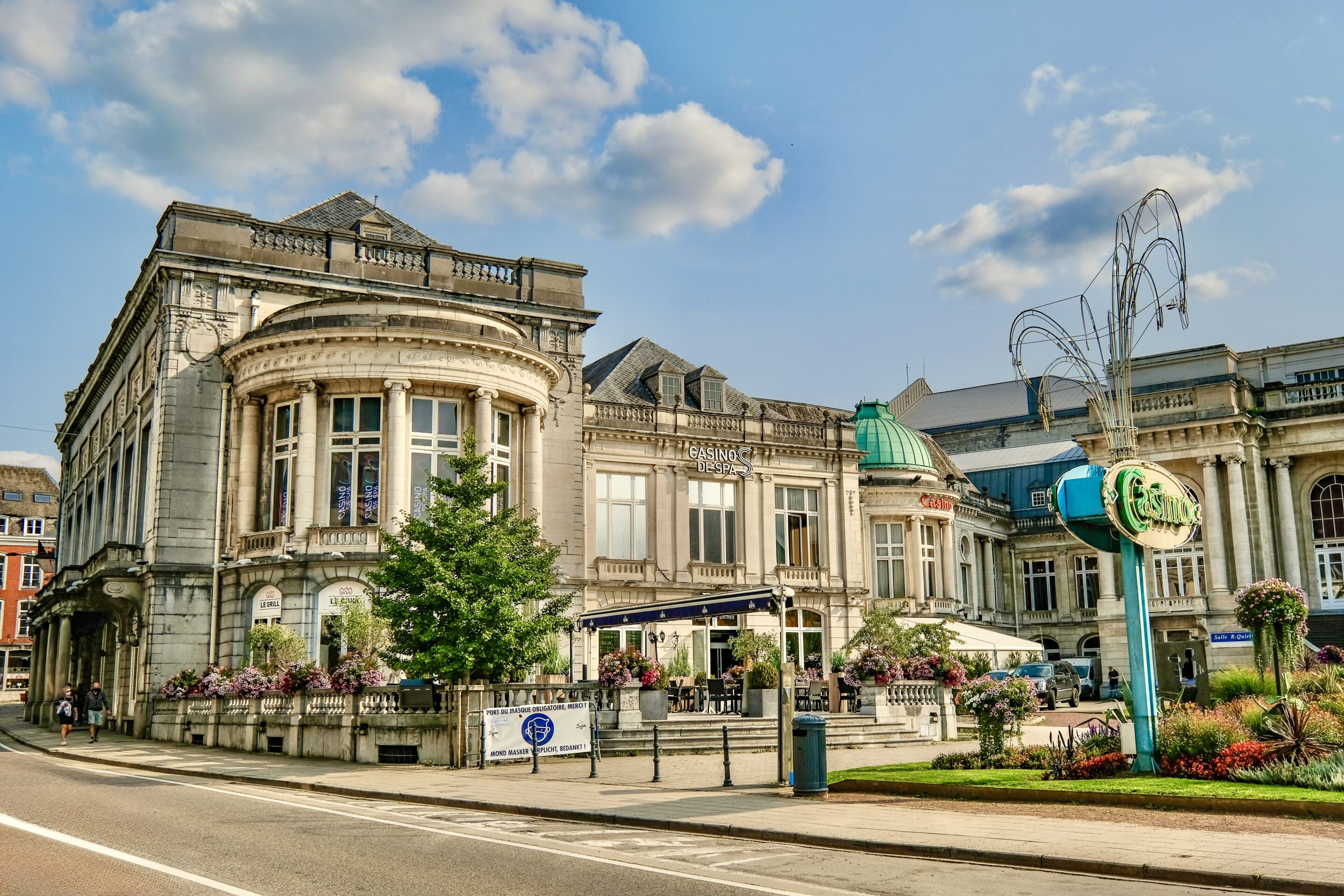
The Casino de Spa stands on the site of La Redoute, considered the world’s second-oldest casino. Rebuilt in 1908, it still offers gaming, concerts and events, albeit in more relaxed modern fashion than during Spa’s aristocratic heyday. Today it also includes a ballroom, theatre and library.
Motor racing
The Spa-Francorchamps circuit, threading through the Ardennes forest, remains one of motorsport’s most revered tracks. More than a century old, it has hosted Formula One races since the championship began in 1950 and continues to draw racing fans from around the world.
Located 8km from Spa in Francorchamps, the circuit stages around 225 races a year, including the Belgian Grand Prix and the Spa 24 Hours endurance race. Guided tours run from May to November, while enthusiasts can also book driving lessons or cycle the circuit during special Cycl’On Track evenings.
La Balade du Centenaire walking route traces the circuit’s history through giant helmet sculptures marking each decade between 1921 and 2021. Nearby, the vaulted cellars of the Abbaye de Stavelot house the Musée du Circuit de Spa-Francorchamps.
Other museums
The Musée de la Ville d’eaux charts Spa’s rise as a thermal destination from a former royal residence once occupied by Queen Marie-Henriette. Nearby stables house the Musée spadois du cheval, dedicated to Spa’s equestrian traditions.
The Musée de la lessive tells the story of the laundresses who once worked for Spa’s hotels, displaying historic washing equipment and a reconstructed washhouse.
At the Abbey of Stavelot, visitors can also explore museums dedicated to the former principality and the poet Guillaume Apollinaire. Elsewhere, the Musée de la Forêt et des Eaux immerses visitors in the wildlife and landscapes of the Ardennes.
Spa’s Memorial Museum retraces the military history of the regiment of the 12th and 13th Line. The December 44 Historical Museum in the village of La Gleize covers the last major operations of the Battle of the Bulge in displays and many objects.
Recreation
A footpath climbing Colline d’Annette et Lubin rewards walkers with sweeping views across Spa. Nearby Parc de Sept Heures contains mineral springs, monuments, pavilions and miniature golf in summer.
Outdoor pursuits range from skydiving at Aérodrome de Spa to horse riding, ropes courses and mountain biking. The 18-hole Royal Golf Club des Fagnes and Royal Spa Football Club replaced two other hippodromes from Spa’s heyday, but equestrianism lives on in three horse riding schools.
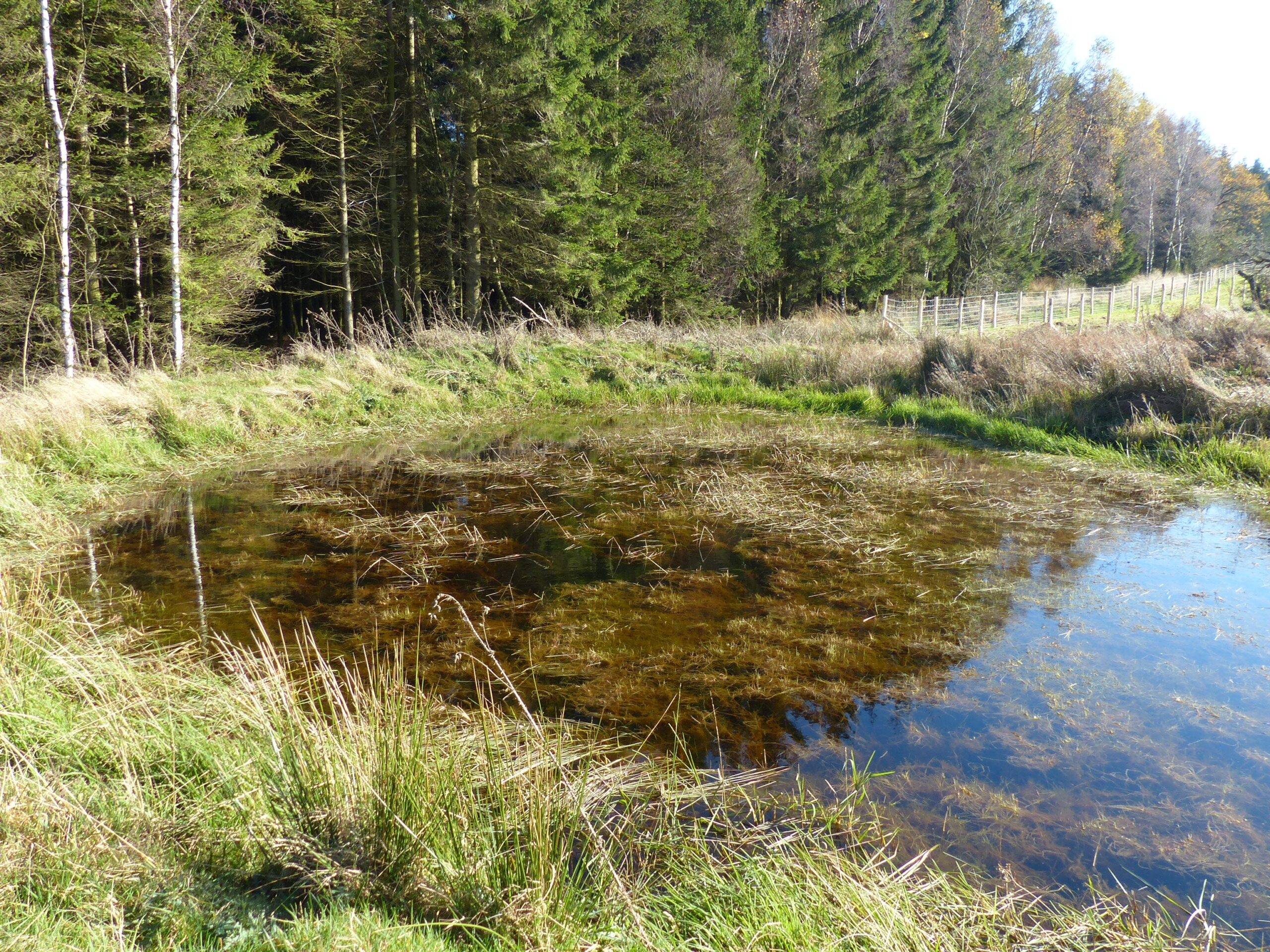
Illustration shows the ecological restoration project for an agricultural area in the Spa region, Tuesday 05 November 2024. Credit: Belga / Lauren Cavenati
SpaForest and other regional outfitters offer adventure activities, while hundreds of kilometres of hiking and cycling routes criss-cross the surrounding countryside. Trail runners have Extratrail and mountain bikers MTB Trails Spa, while the Ninglinspo in Aywaille offers a trail next to a bridge-lined stream. You can also pump iron at 14 workout stations in the 3km health course in Spa’s Parc naturel des sources.
Pedal boats can be rented on Lac de Warfaaz and do a range of outdoor activities at Lac de la Gileppe. In winter, the Their des Rexhons ski area has sledding and snowboarding runs, and cross-country ski circuits.
For gentler exploration, visitors can hire vintage convertibles, Vespas or e-bikes, while the Totemus app offers treasure-hunt-style routes around Spa.
Natural wonders
The Grottes de Remouchamps, 14km from Spa, feature dramatic karst caves and what is claimed to be the world’s longest navigable underground river. Guided tours combine a walk through stalactite-filled chambers with a boat trip along the river, the Rubicon. The caves were used by Palaeolithic hunters around 8,000 years ago and rediscovered in 1828. Since then, they have served various purposes, including as a wine cellar and air raid shelter during the Second World War.
Gastronomy & local products
Spa pairs wellness with excellent eating. The town offers everything from refined gastronomic restaurants to hearty brasseries and artisanal producers.
Among the local specialities are Extrait de Spa, a botanical fortified wine; Rosée de Spa, made from apples and blueberries; and Élixir de Spa, a herbal liqueur once distilled by Capuchin monks.
Sparsa Brasserie brews artisanal beers inspired by the town’s mineral-water heritage, while other regional labels include Bobeline, Stavelotaine and Bellevaux. Nearby Sarté produces farmhouse cheeses and Charcuterie Curnel specialises in Ardennes meats.
Carnivals
The Ardennes around Spa host two of Belgium’s most distinctive carnivals.
The Laetare de Stavelot, held on the third Sunday before Easter, is famous for the Blancs Moussis – masked ‘white monks’ with long red noses who throw confetti and mischievously swat spectators with dried pig bladders.
The Cwarmê of Malmedy, dating back to 1459, unfolds over four days before Lent with elaborate masks, satirical performances and folkloric characters including the red-robed Haguètes.
EXPERIENCE
Foire aux Jolités: An annual fair selling ancient and contemporary jolités, iron-stained and painted wooden objects unique to the area
Formula One Grand Prix: Each July, it hosts one of the top car racing events in the world at Spa-Francorchamps
Les Francofolies de Spa: Every July, the largest Francophone song festival in Belgium
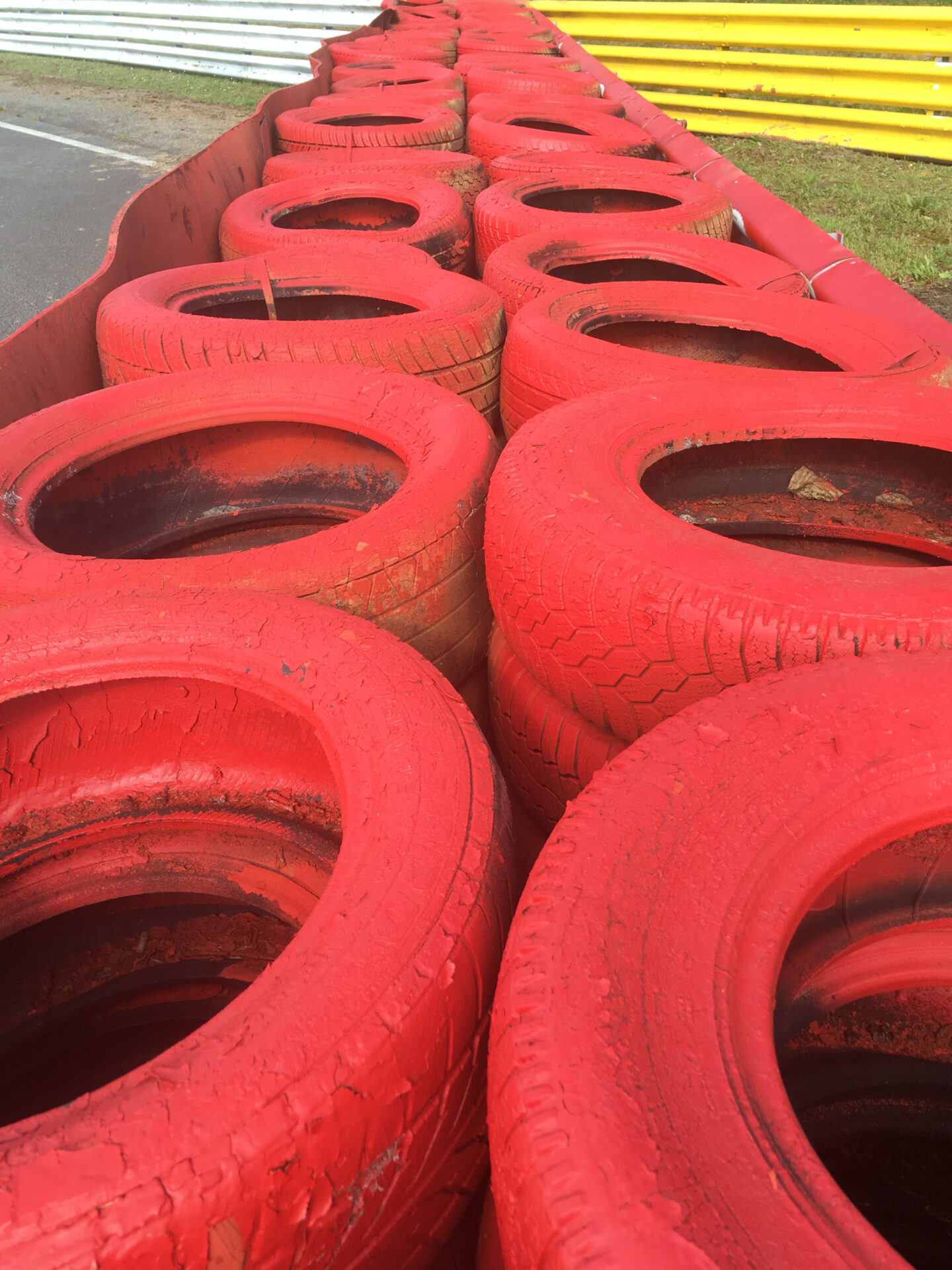
Francochamps Spa racetrack. Credit: The Brussels Times / Angela Dansby
Liège-Bastogne-Liège: The oldest international cycling race in the world that goes through hilly Stavelot each April
Spa Royal Festival: An August indoor-outdoor performing arts festival with a wide range of national and international talent
Tintin’s Imaginary Museum: An exhibition on the comic book hero and the inspirations behind his creator, Hergé, at the Spa-Jalhay-Stoumont Cultural Centre, until December 31
SAVOUR
Brasserie de Bobelines: Offers classic Belgian dishes (some made with its own beers) in a historic building with a contemporary interior
L’Auberge: Brasserie with a warm, traditional feel, serving hearty Belgian classics in the busy town centre
La Cour de La Reine: Restaurant focused on local, creative cuisine in the heart of Spa
L’Att de Vivre: Modern French restaurant in a grand townhouse, known for refined dishes with a contemporary touch
Le Chalet du Parc: Stylish address in the Parc des Sept Heures, surrounded by greenery with a large terrace
L’Olivier: An Italian pizzeria and restaurant with a homey atmosphere near the casino
Restaurant Bistronomique des Bains de Spa: A refined dining room in a historic spa complex, blending French brasserie flair with seasonal, locally inspired cuisine
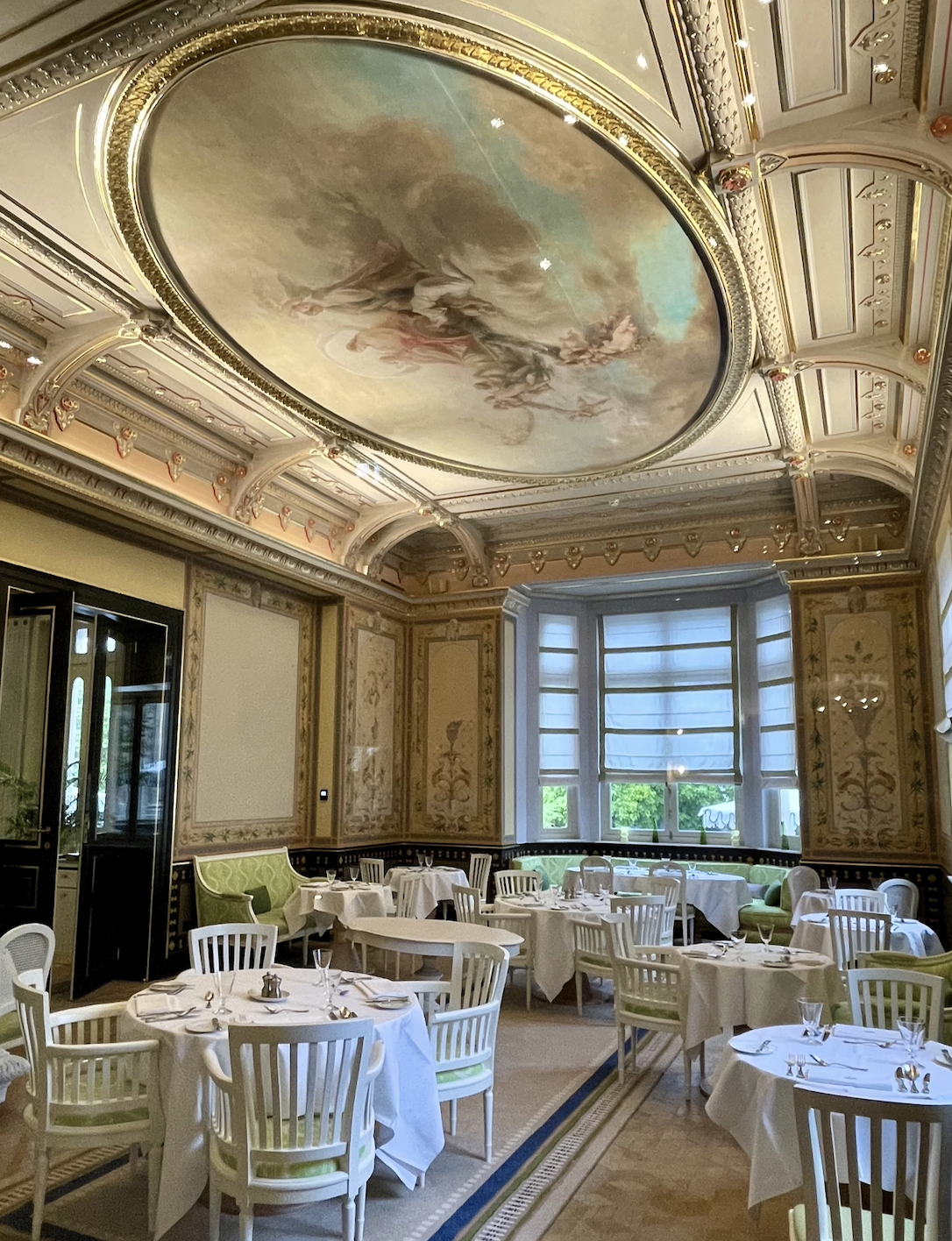
Restaurant in Les Thermes de Spa
SIP & SNACK
Brasserie des Artistes: Lively central brasserie with an artsy atmosphere, Belgian classics and a large beer selection
Brasserie Le Palmarès: Italian brasserie with a motorsport-themed décor and lively, all-day dining, including a spacious terrace
Gio Café: Casual café in the centre of Spa offering lunch, sandwiches, salads and a relaxed stopover
La Gaterie: Pâtisserie and snack stop with freshly made pastries and sweet treats
Little Arthur: Sweet-and-savoury tarterie serving a broad choice of pies, quiches and quality breakfasts
Sparsa Brasserie: The only brewer in Spa, offers a range of beers, tours and tastings
STAY
Hôtel la Tonnellerie: A small, charming hotel with a restaurant, set in a quiet spot in Parc des Sept Heures (operated by Van Der Valk)
Hôtel Le Palmarès: A central Spa brasserie-hotel with a distinctive automotive-themed décor and luxurious rooms
Les Bains de Spa: As of May 2025, a luxury 5-star hotel in a historic building with a restaurant, bar and 1,300 m² spa area with an indoor pool in collaboration with Clarins
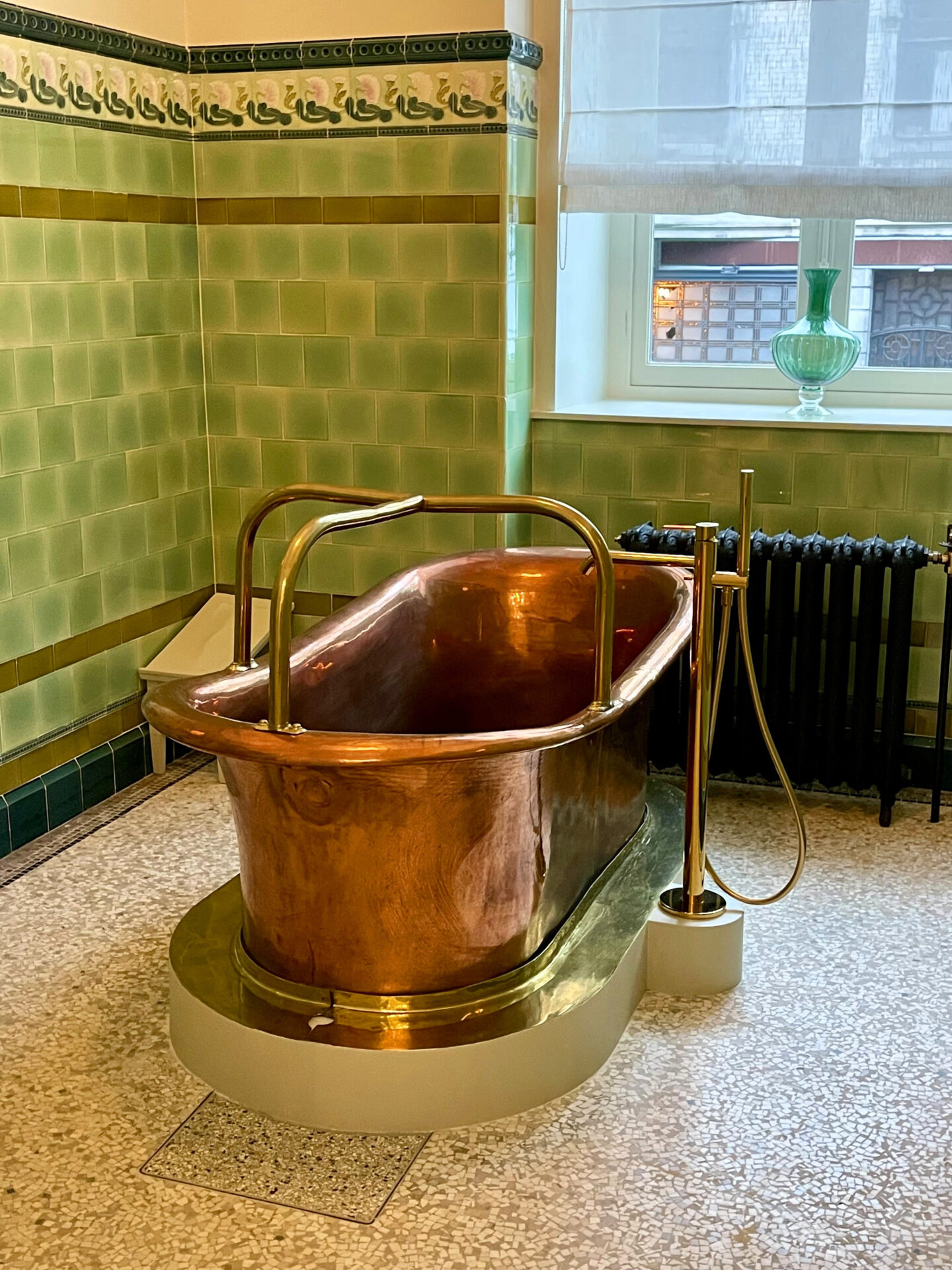
Copper bathtub in Les Bains de Spa. Credit: The Brussels Times / Angela Dansby
Van der Valk Hotel Spa: A 4-star hotel in the centre with an outdoor terrace, fitness centre and private funicular cable car going to Les Thermes de Spa
Villa des Fleurs: Intimate hotel known for its elegant villa style and central location
Villa Le Vert Bois: A bed and breakfast in a restored historic building offering a quieter, more residential stay
SHOP
Black Bison: Leather artisan workshop making handmade crafts and custom-style pieces
Glenwood: Offers racing-inspired T-shirts and Spa-Francorchamps-style apparel, especially themed around motorsports
La Boutique des Créateurs: Small gift and craft shop selling handmade items and locally made creative pieces
Regain en Ville: Stylish interior-design shop offering decorative pieces and distinctive home furnishings
Renaud Austen: Artisan chocolatier known for pralines and truffles
Savonnerie de Spa: A cosmetic formulation and manufacturing workshop producing bar and liquid soaps, lotions and more.
