
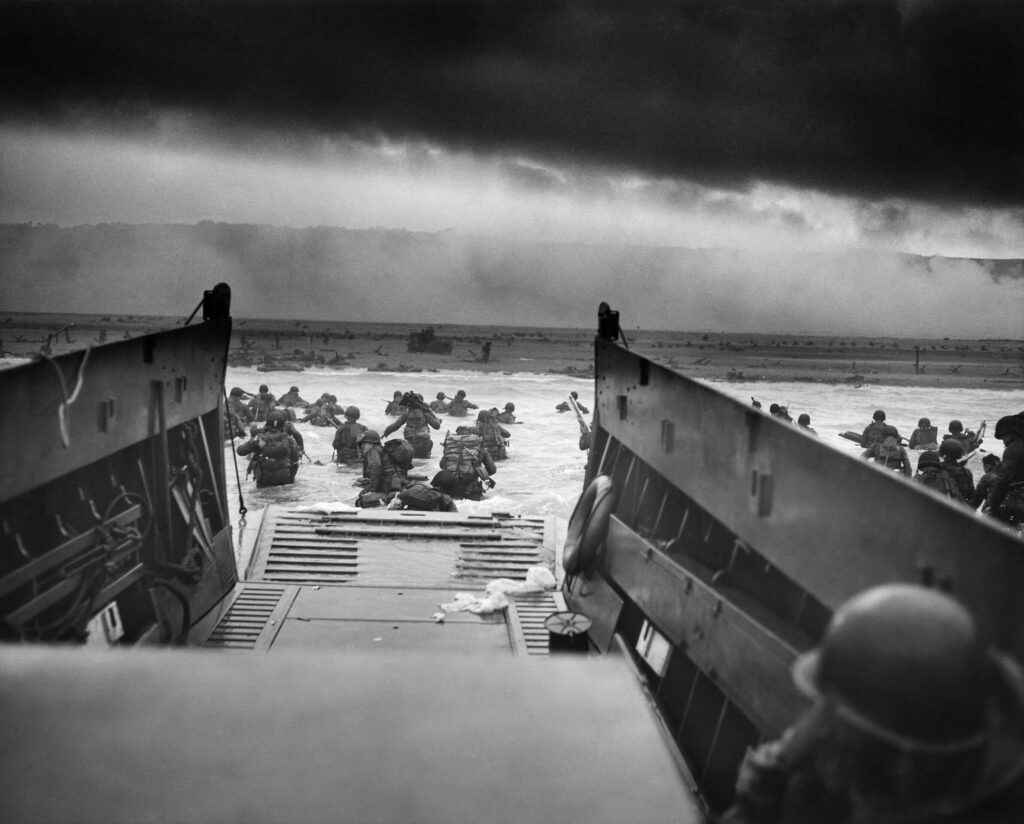
The D-Day beaches on the Normandy coastline in the north of France, where the Allied forces landed during the Second World War, have been added to the UNESCO World Heritage List.
The beaches of the landings – Utah, Omaha, Gold, Juno and Sword, as well as Pointe du Hoc – stretch for 80 kilometres between Ouistreham and Sainte-Marie-du-Mont, located about a five-hour drive from Belgium.
"These sites are directly associated with the Allied landings of 6 June 1944 – the opening phase of Operation Overlord, which marked the beginning of the liberation of Western Europe from Nazi occupation during the Second World War," reads UNESCO's website.
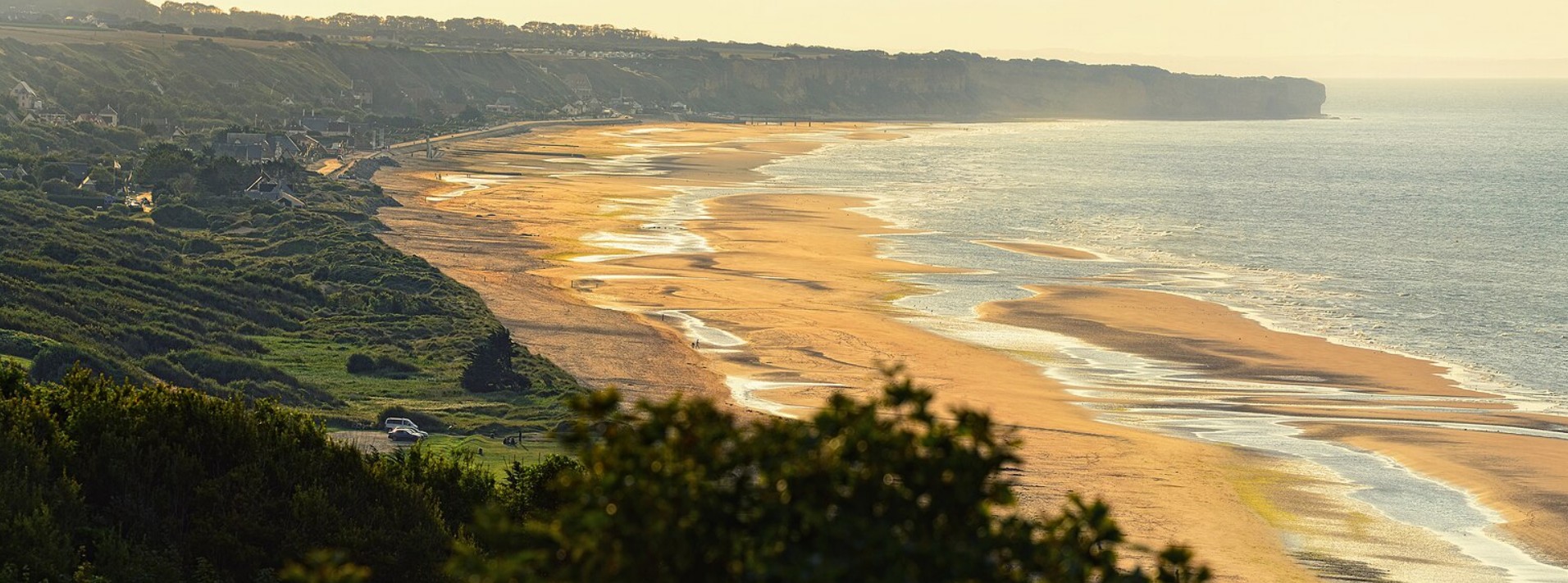
Omaha Beach in Normandy. Credit: Wikicommons/Anton Bielousov (CC BY-SA 3.0)
The property also preserves significant elements of the German Atlantic Wall, including casemates, artillery batteries, fire‑control posts, and "Widerstandsnests" (fortified strongpoints), as well as battlefield traces, original wartime equipment, and major commemorative landscapes such as the American Cemetery at Colleville‑sur‑Mer.
"Together, these elements form an exceptional cultural landscape shaped both by the events of 1944 and by their enduring remembrance," said UNESCO.
Each year, several million visitors come to reflect, pay their respects, and learn. Along with museums, military cemeteries, bunkers, and more, these sites constitute a cradle of remembrance and one of the region's major tourist attractions.
Properties under threat
The decision to add the D-Day beaches to the list was made on 28 July, during the 48th session of the World Heritage Committee, which was held in Busan, South Korea. In total, 25 sites were added to the UNESCO World Heritage List during this session.
This brings the total number of sites on the list to 1,273, spread across 173 countries.
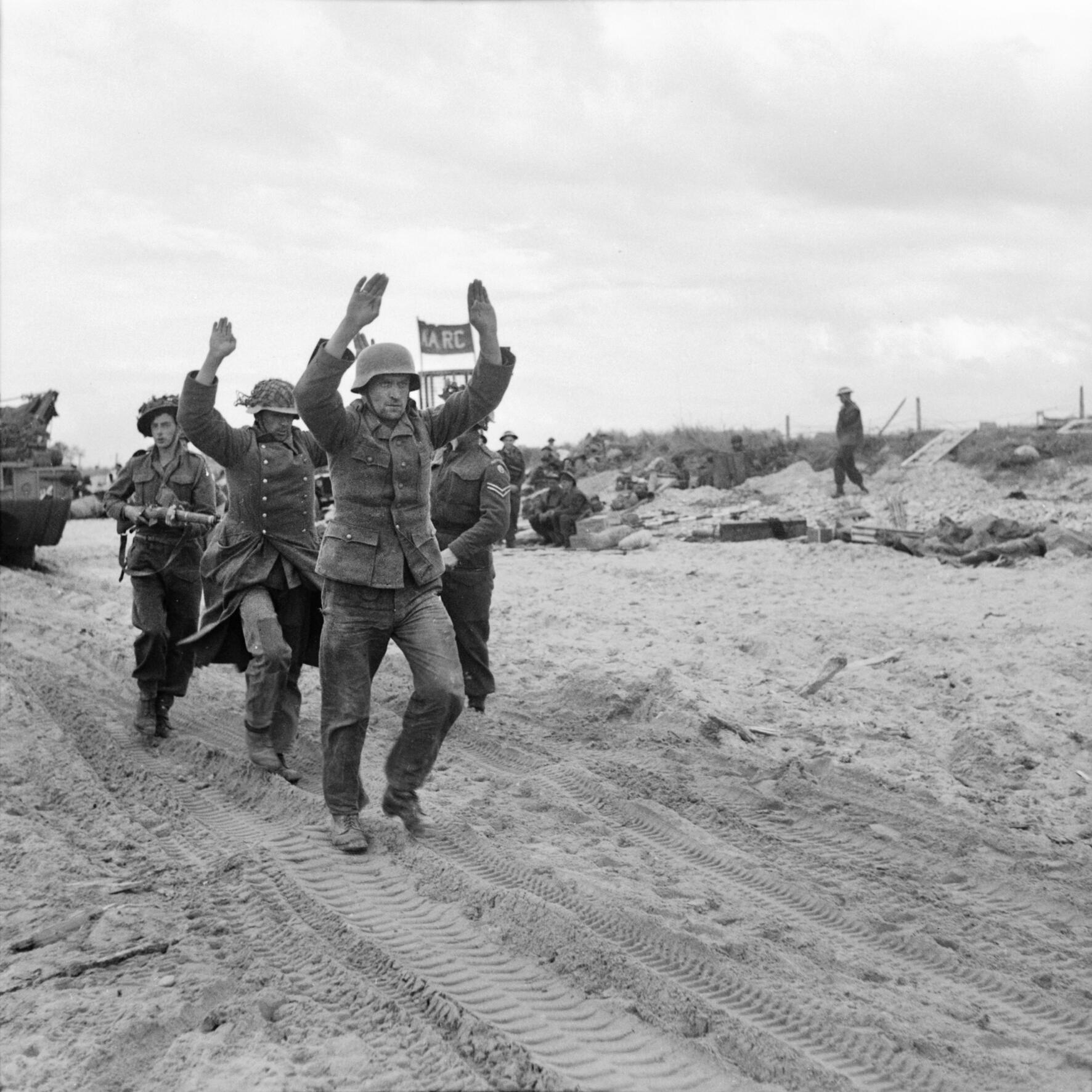
British Forces rounding up Nazi POWs during the Invasion of Normandy 6 June 1944.
Among the key takeaways was a strong focus on sites in danger, with three sites added through an emergency procedure reserved for crisis situations. These were the Boma-Badingilo Migration Landscape in South Sudan, the Castles of Mount Amel in Lebanon, and Sebastia in the State of Palestine.
The use of this mechanism for three sites reflects the growing number of properties under threat in conflict-affected regions.
