
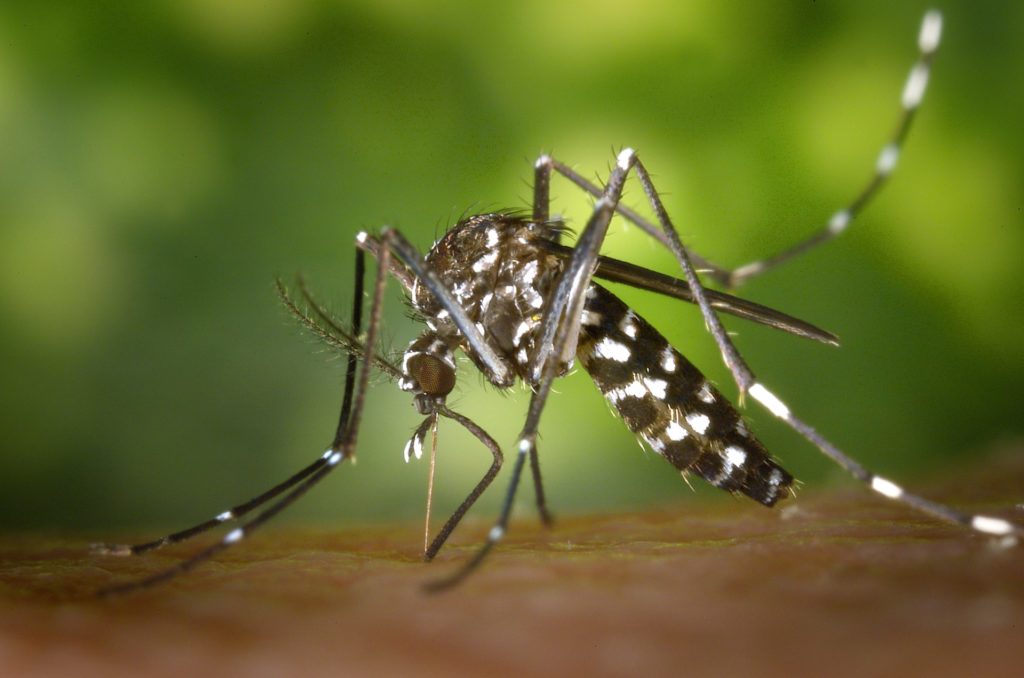
The tiger mosquito is still present at eight locations in Belgium where it had previously been observed, and showed up in three more, according to the preliminary results of Belgian national health institute Sciensano and the Institute of Tropical Medicine's (ITM) surveillance programme.
Since the beginning of May, members of the public have reported tiger mosquitoes in 11 Belgian municipalities. In Flanders, these are Boom, Kessel-Lo, Kraainem, Kuurne, Merelbeke-Melle, Rotselaar, Schelle, Wijnegem and Zaventem. In Wallonia, it concerns the municipalities of Aywaille and Ath.
"For the fifth year running, members of the public are playing a crucial role in monitoring the tiger mosquito in Belgium," said Javiera Rebolledo Romero, an epidemiologist at Sciensano.
The tiger mosquito was sighted for the first time in Aywaille, Kraainem, Kuurne and Rotselaar, while sightings had already been recorded in the other municipalities in previous years.
"Every reported sighting provides valuable information that helps us better understand where this species is being introduced and where further surveillance may be required," she said.
Active surveillance
The detection of tiger mosquitoes does not necessarily mean that there is an "immediate risk" of virus transmission (dengue, chikungunya or Zika), stressed Romero.
"However, these findings demonstrate why continuous surveillance is essential to monitor the situation closely and to inform the competent authorities so that they can take preventive and control measures," Romero said.
During the mosquito season (from May to October), researchers also carry out active surveillance in a number of selected municipalities to monitor the presence of the tiger mosquito.
They use traps to determine where the mosquito is present, how many individuals there are and whether the species is spreading further. In 2026, the field team confirmed that the species is still present in Hoegaarden, Merelbeke-Melle, Wijnegem and Zaventem.
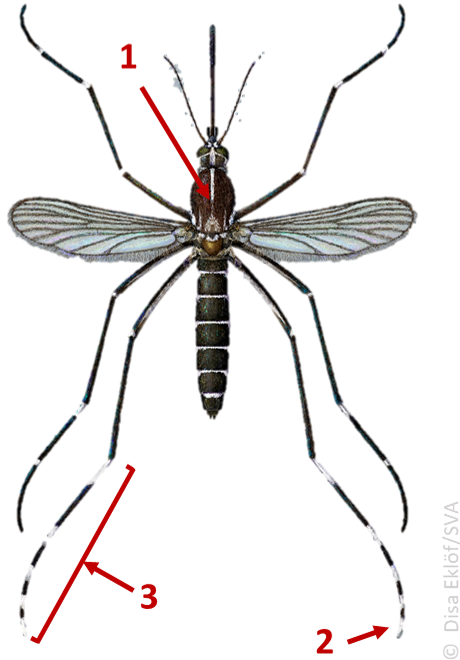
Tiger mosquito. Credit: Sciensano
The results also indicate that the tiger mosquito is becoming increasingly established in these municipalities. Additionally, an extra day of inspections in Boom and Ath confirmed that the tiger mosquito is still present there as well.
"The growing number of tiger mosquitoes we are finding in Hoegaarden and Merelbeke-Melle is a clear sign that the species is increasingly gaining a foothold there," said Wim Van Bortel, an entomologist at the ITM.
"Once tiger mosquitoes have established themselves in an area, they are much more difficult to control. Early detection and targeted control measures therefore remain essential," he said.
The tiger mosquito season is not yet over: the surveillance campaign will continue throughout the entire 2026 mosquito season. Sciensano and the ITM encourage members of the public to remain vigilant and to continue reporting sightings of tiger mosquitoes.
They also ask the public to take precautions to prevent accidentally bringing these invasive mosquitoes home in their cars when returning from holiday destinations in southern Europe.
How do you report a tiger mosquito?
The tiger mosquito continues to spread across Europe. In addition to the nuisance it causes, it can also play a significant role in the transmission of viruses.
Monitoring mosquito populations has therefore become a key public health priority and forms an essential part of preparedness and prevention.
In Belgium, monitoring the invasive tiger mosquito helps to track its establishment and spread, and provides valuable information to support public health measures.
Anyone who thinks they have seen a small black mosquito with white stripes can take a photo and upload it via mosquitosurveillance.be or via the app, available for Android and iOS.
The MEMO+ project is a collaboration between Sciensano and the Institute of Tropical Medicine (ITM). The project is funded by the federal and federated entities for the Environment and Health through the National Action Plan for Environment and Health (NEHAP).
