
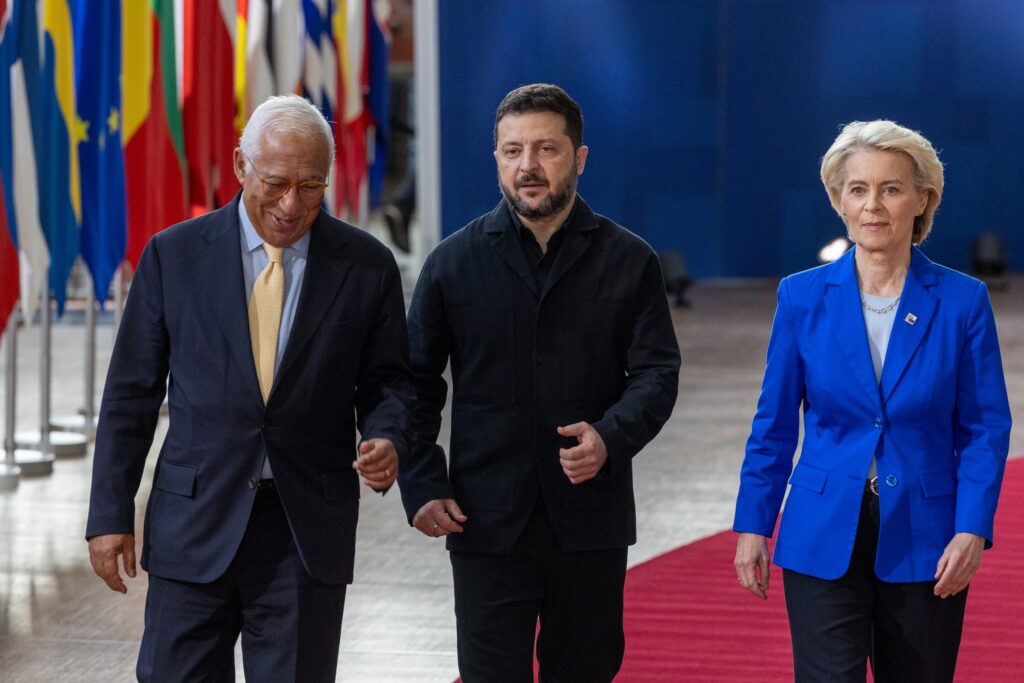
A trade union confederation representing 45 million workers has urged EU leaders to reject further cuts to the next long-term EU budget on Wednesday, warning against the social impact of the proposed cuts.
The European Trade Union Confederation (ETUC) sent the open letter to the President of the European Council António Costa ahead of the Council meeting's start on Thursday. The letter criticised proposed budget cuts to cohesion funding, which the ETUC say support the creation of quality jobs and reduce social and regional inequalities.
According to the confederation, further investment, rather than cuts, is needed.
"The EU needs more common investment in its people, industries and services, and regions, not less. The anger we see on the streets is a warning that working people will not accept being asked to pay the price for Europe’s failure to invest,” ETUC General Secretary Esther Lynch wrote in the letter.
At the council meeting, EU heads of state will discuss the Multiannual Financial Framework (MFF) in addition to financial aid for Ukraine during the ongoing war in the country. The new budget proposal cuts nearly €200 billion from the European Commission's original proposal of nearly €2 trillion.
Related News
- EU Parliament clashes with Council over budget cuts in long-term plan
- MEPs push for €10.72bn cultural and journalism fund despite budget clash
- EU’s new budget: How the European Commission is missing key reforms
The third MFF Negotiation Box
On November 21, Costa released a compromise proposal of the revised MFF Negotiation Box, a working document used in negotiations over the upcoming EU budgets until 2034.
Several lead MEPs rejected the proposed cuts by Costa, criticising the changes in a press release. “The negotiating box takes us backwards instead of preparing Europe for the challenges ahead,” Siegfried Mureșan (EPP) said.
“A smaller common budget means a weaker Europe and fewer opportunities for its citizens,” Carla Tavares (S&D) wrote. “The proposed size of the next MFF does not match the Union's ambition, and further cuts to cohesion policy must not undermine vital investments in people, regions and communities.”
EU leaders hope to reach an agreement on the next budget framework, which starts in 2028, by the end of 2026.
