
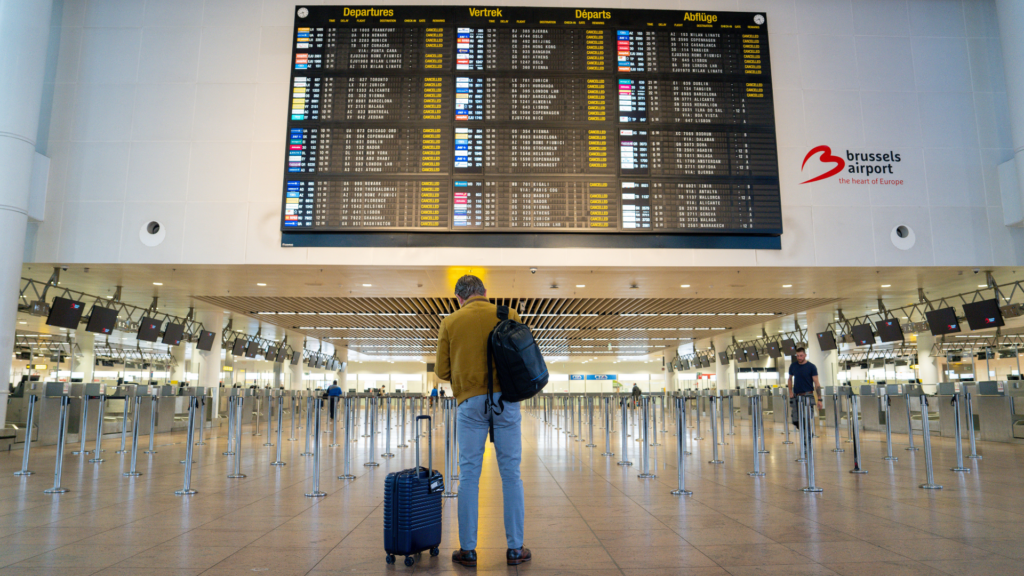
Threats of disruptions to fuel supplies due to the war in the Middle East have triggered a surge in jet fuel prices and concerns of possible shortages. What does this mean for Brussels flights?
Since the first US-Israeli airstrikes on Iran on 28 February and the subsequent closure of the Strait of Hormuz, the price of jet fuel has more than doubled.
Several passengers are already facing the consequences of the dramatic price change, with some airlines increasing their fare costs or even cancelling flights.
On Tuesday, according to a document seen by Reuters, the European airlines group, Airlines for Europe (A4E), urged the EU to take measures to monitor and address the impact of the war in Iran.
The news comes just days after the Airports Council International Europe (ACI) warned in a letter to the European Commission of possible systemic jet fuel shortages ahead of the peak summer travel season, as first reported by the Financial Times.
Commission spokesperson Anna-Kaisa Itkonen said in a press briefing on Tuesday that “there is no evidence of fuel shortages in the European Union at present” but admitted supply issues “could occur in the near future, in particular for jet fuels”.
Normal fuel supplies in Brussels airports
The fuel supply at Brussels Airport is currently “operating as normal”, according to Quentin Mertens, a press officer at the airport. “We therefore see no impact at this stage from the geopolitical situation,” he told The Brussels Times.
While he stated that it is difficult for the airport to comment on how the fuel supply situation may evolve, Mertens noted that the airport in Zaventem “benefits from a robust fuel supply infrastructure, as it is connected to an underground system, the NATO pipeline, for jet fuel supply.”
The press officer added that "suppliers can deliver jet fuel to the airport via this system" at the request of airlines.
Meanwhile, the Brussels South Charleroi Airport also noted that they are currently not experiencing any fuel shortages.
“Our fuel station’s kerosene tanks are full,” said the airport's communication manager, Nathalie Pierard, adding that its fuel supplies are “entirely independent of the Middle East and the Strait of Hormuz.”
What's happening to Brussels flights?
The Brussels Times contacted several carriers that operate flights to and from Brussels regarding their responses to the looming threat of fuel supplies and rising costs.
A spokesperson for the low-cost airline Ryanair said it will not apply fuel surcharges but that it expects that “all airlines will pass on these higher [fuel] costs in the form of higher air fares post Easter and later this summer.”
The spokesperson said that the airline's "fuel suppliers can guarantee supply to mid-end May”, and it did “not expect any near-term fuel shortages, but the situation is fluid”.
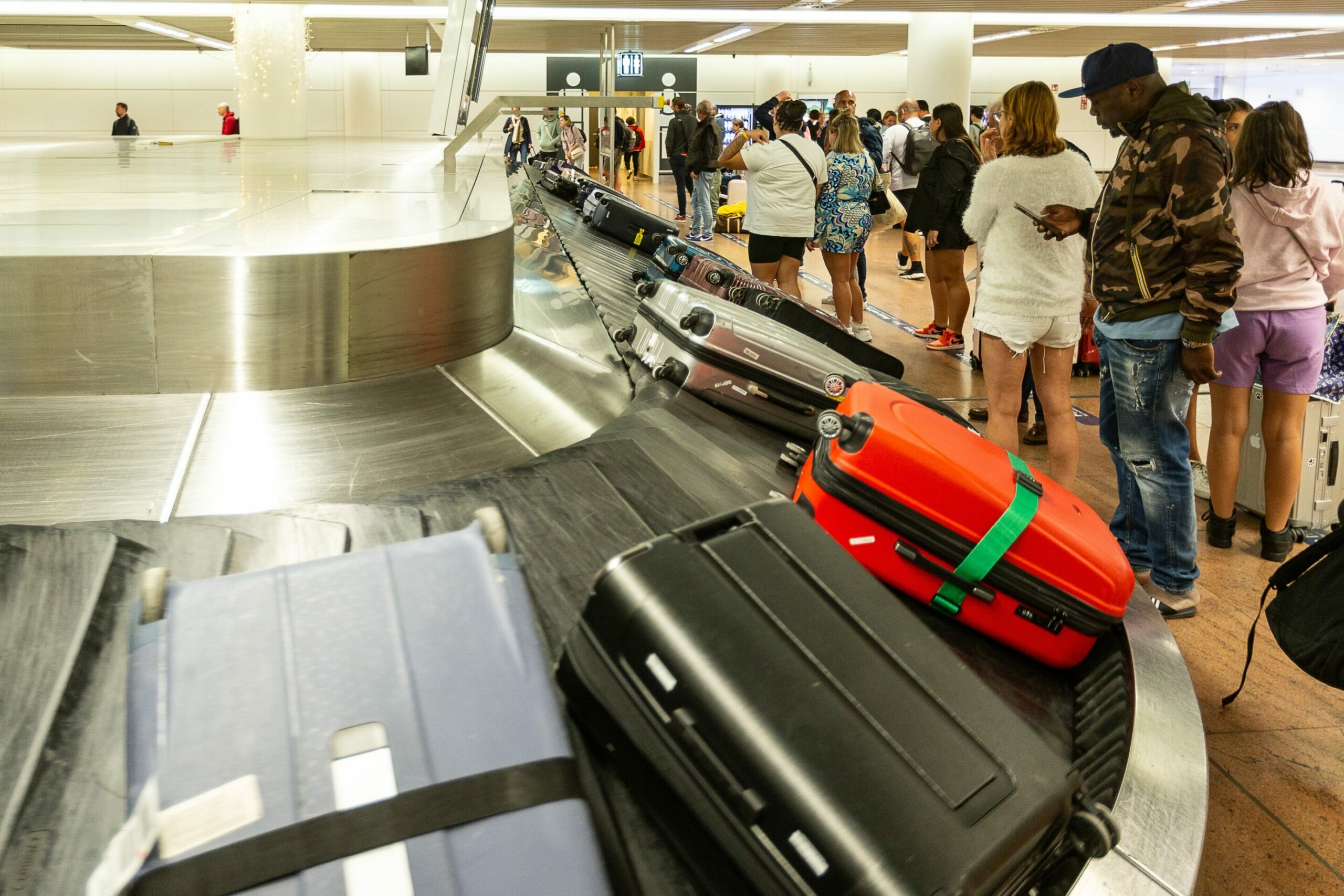
Illustrative image of passengers and suitcases in Brussels. Credit: Belga/James Arthur Gekiere
Meanwhile, the Lufthansa Group, the parent company of several airlines, including Brussels Airlines, confirmed that its International/Domestic Surcharges have been adjusted “as necessary” on several routes to reflect the rising prices.
“Increased fuel costs must be passed on to customers to a certain extent,” a spokesperson told The Brussels Times, noting that tickets which have already been issued will not be charged additional fees.
The aviation group added that it is relatively better protected against price fluctuations, as it has hedged the majority of its kerosene costs. Hedging is a risk management strategy, which in this case means jet fuel is bought at a fixed price ahead of time, shielding it to an extent from the impact of market changes.
Nonetheless, a spokesperson for Lufthansa Group warned that ticket prices may continue to increase due to the “highly volatile” geopolitical environment.
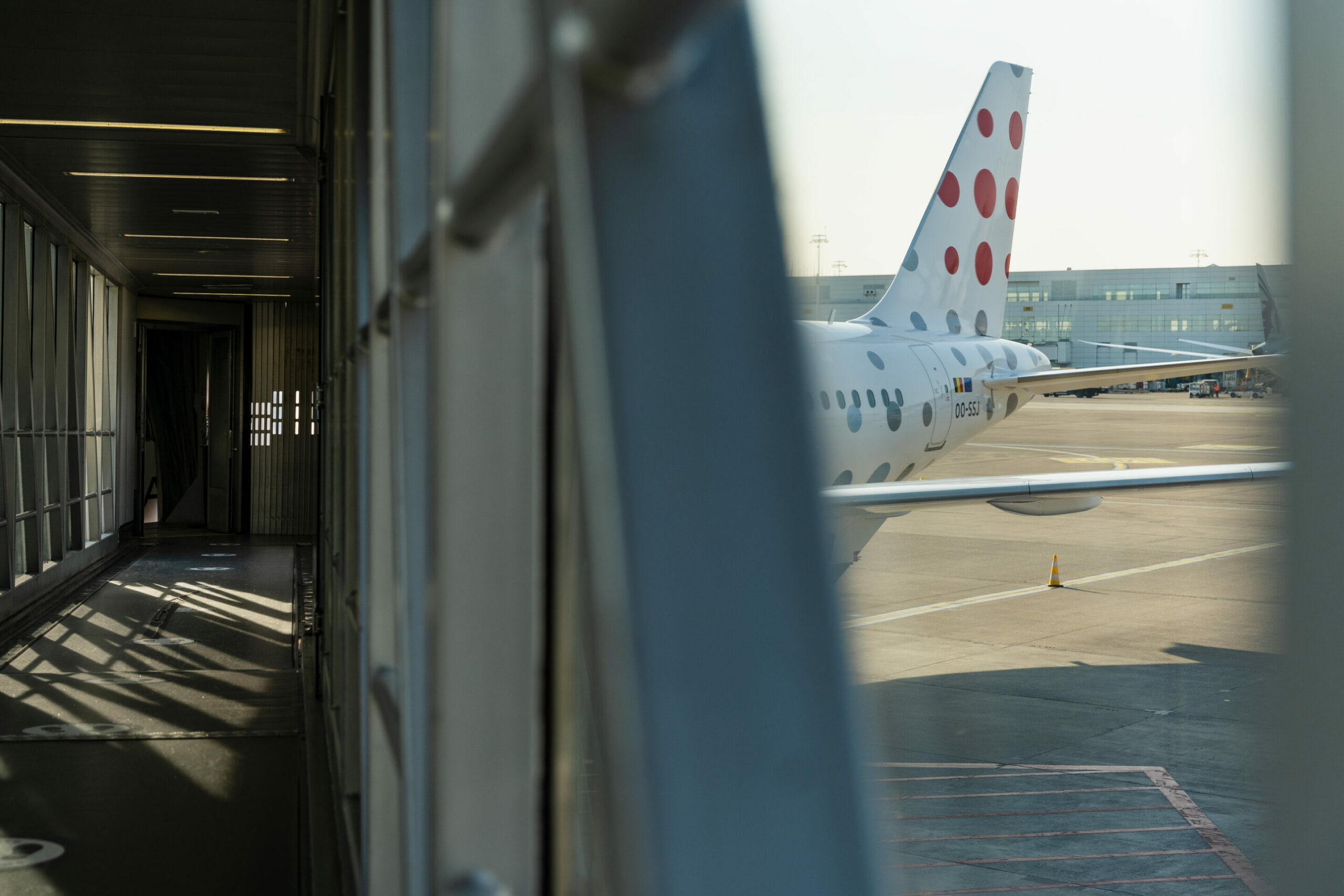
Credit: Brussels Airlines
Similarly, a spokesperson for Brussels Airlines said that ticket prices, specifically the International Surcharge, have been adapted in response to rising fuel prices.
However, the airline does not have any plans “at the moment” to cancel flights or apply fuel surcharges to tickets which have already been purchased.
Meanwhile, a spokesperson for Finnair said its operations have so far not been affected by the "fuel situation” but that the airline is closely monitoring developments.
They added that the airline has hedged the price of its fuel purchases at a "relatively high hedging ratio” but noted that "the hedging ratio decreases gradually on a quarterly basis."
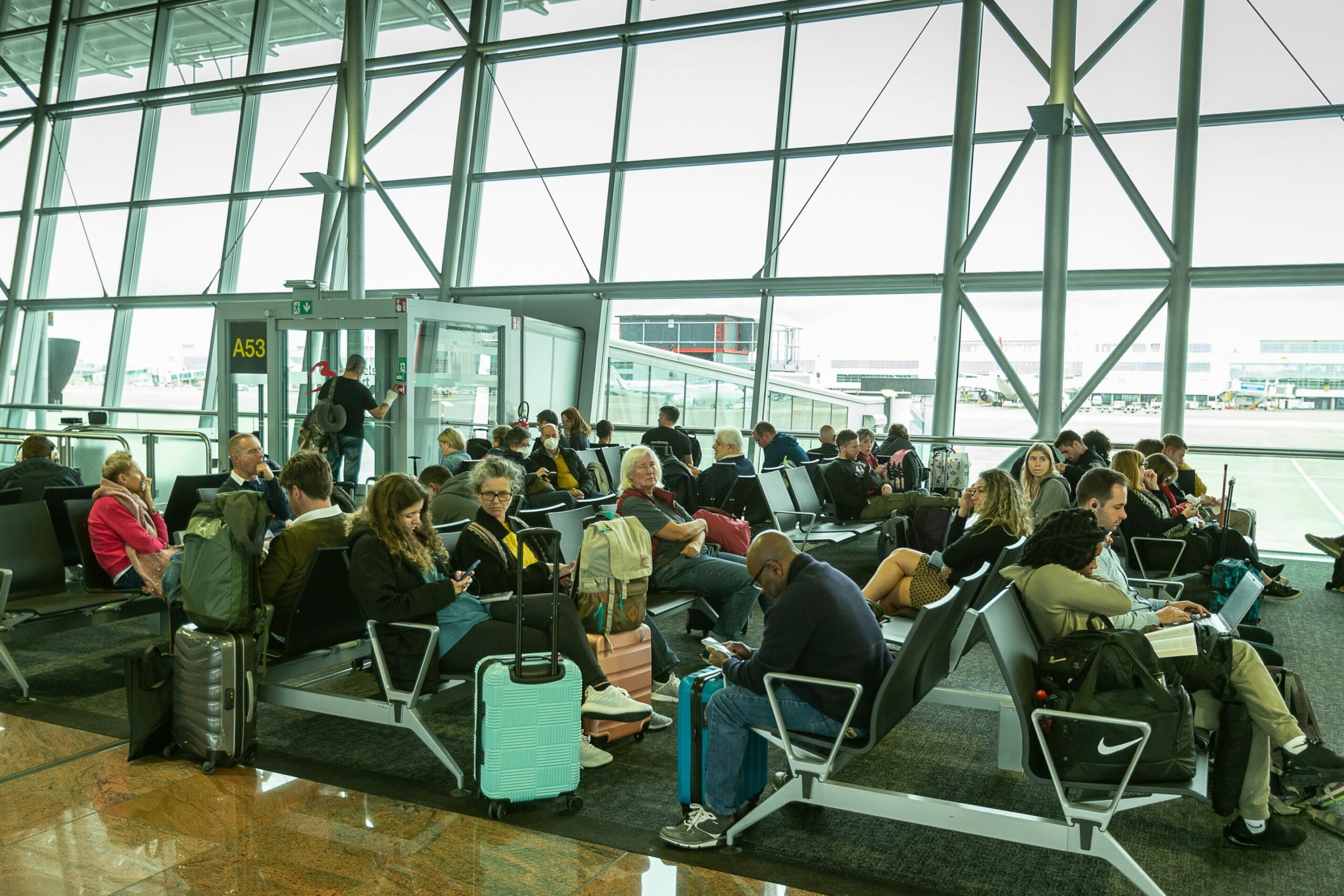
Illustrative image of passengers waiting at an airport. Credit: Belga/James Arthur Gekiere
Similarly, Air Canada said that its operations to and from Brussels have so far not been affected.
The Canadian airline noted that while it will not add additional "fuel surcharges” to tickets which were already purchased, it has adjusted its prices to reflect the higher fuel costs.
Upcoming EU measures
The European Commission is expected to present a package of measures on 22 April aimed at addressing the general ongoing energy crisis triggered by the war in Iran.
It is unclear whether this will include measures targeting issues with jet fuels. The Commission spokesperson Anna-Kaisa Itkonen said on Tuesday that work on the measures was still being finalised.
Nonetheless, Itkonen added that the jet fuel situation remains a "primary concern at the moment” and that the Commission is communicating with Member States and industry members to gather real-time information on the situation.
