
Over half of European countries are critically reliant on US cloud services for their national defence – exposing them to a high risk of a potential US-sanctioned "kill switch", according to recent analysis by the Brussels-based tech think tank Future of Technology Institute (FOTI).
Conducted within the European Union and the United Kingdom, the research highlights vulnerability in heavy reliance on US cloud services, mainly via Microsoft, Google, Oracle and lately Amazon.
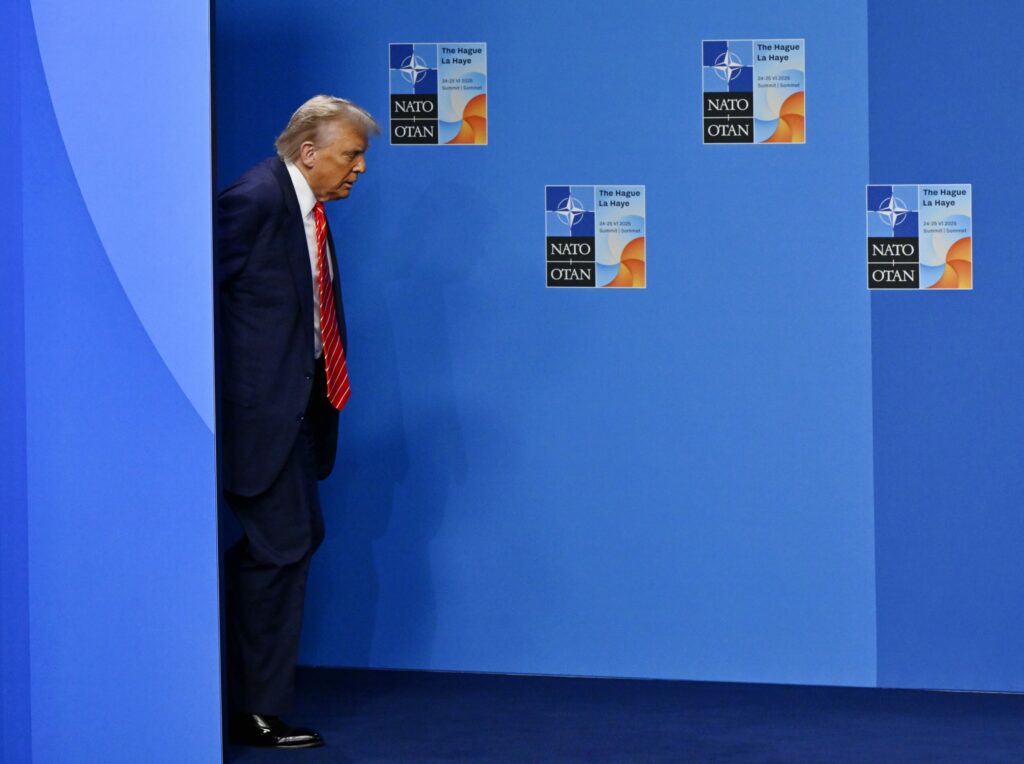
The think tank believes that the United States government under President Donald Trump, who is working closely with American tech giants, could potentially initiate a refusal of service – a so-called "kill switch".
Of the 28 analysed countries, 23 are at a medium to high risk of exposure, of which 16 are especially vulnerable, including Germany, Poland, Denmark and the UK, the institute found. Only one country – Austria – was said to be fully sovereign in its cloud solution for defence and security systems, while the Netherlands might follow their example.
European sovereignty?
The think tank stressed that finding a solution to this bottleneck is crucial to Europe’s sovereignty.
The EU seems keen on the idea: in February, the European Defence Agency (EDA) presented plans to establish a fully operational military-grade data-sharing platform free from US dependencies by 2030.
However, some American companies have responded by offering so-called "sovereign cloud" solutions. Amazon Web Services opened such a Germany-based data centre last year, describing it as "physically and logically separate cloud infrastructure, with all components located entirely within the EU".
Other providers, like Microsoft, have ruled out such measures entirely. In a hearing before the French Senate of Parliament last summer, Microsoft’s executives were asked whether EU data would be secure from US government reach. The Company's Chief Legal Officer declined to provide such a guarantee.
Still, even such "sovereign" cloud solutions are still exposed to US tech via hidden dependencies, FOTI’s analysis suggests. Moreover, they state that Europe's military cloud architecture is also an investment opportunity that can be directed to European challengers.
