
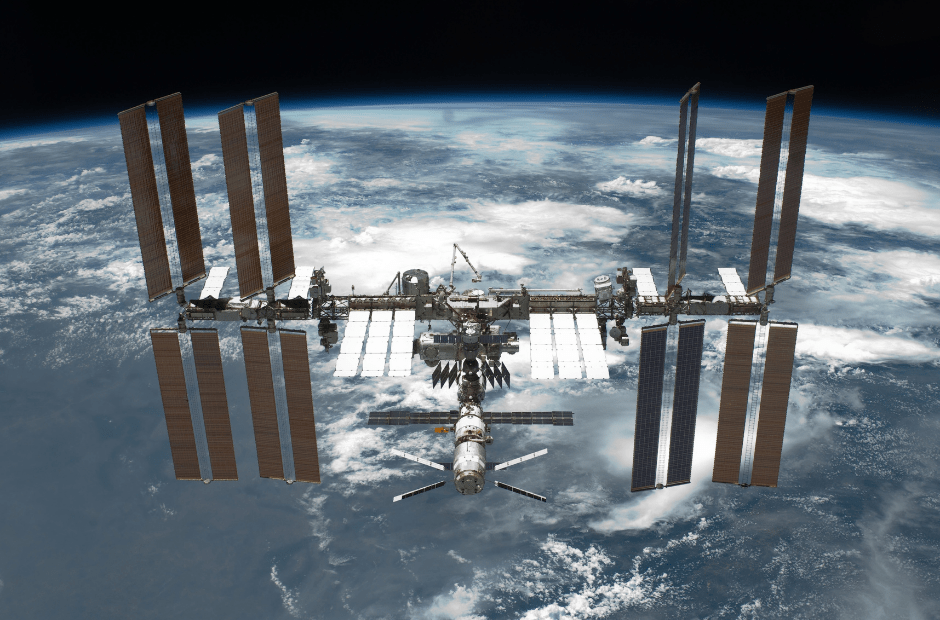
The European Space Agency (ESA) announced on Monday the launch of the HOBI-WAN project, an experiment designed to produce protein in space using bacteria. The mission aims to test a new technology that could one day supply astronauts with food on long-distance space journeys.
One of the major challenges in space exploration is feeding astronauts, as transporting food supplies or organising resupply missions from Earth is costly and impractical. The HOBI-WAN experiment uses hydrogen-oxidising bacteria (HOB), microbes capable of producing protein from hydrogen, oxygen and carbon dioxide.
The technology was first developed by Finnish company Solar Foods, which uses the same microbes to create a sustainable food source on Earth. ESA now intends to test it aboard the International Space Station (ISS), in a microgravity environment far from Earth.
"This project aims to develop a crucial resource that will help improve the autonomy and resilience of human spaceflight, as well as the well-being of our astronauts," said Angelique Van Ombergen, ESA's head scientist for human and robotic exploration. "To carry out long-term missions on the Moon, or even one day travel to Mars, we need innovative and sustainable solutions to survive with limited supplies."
The bacteria are expected to produce protein without the need for soil or sunlight. If successful, the technology could also help tackle challenges on Earth, such as food scarcity and insecurity.
ESA is funding the experiment through its Terrae Novae Exploration programme, which focuses on research related to the Moon and Mars.
