
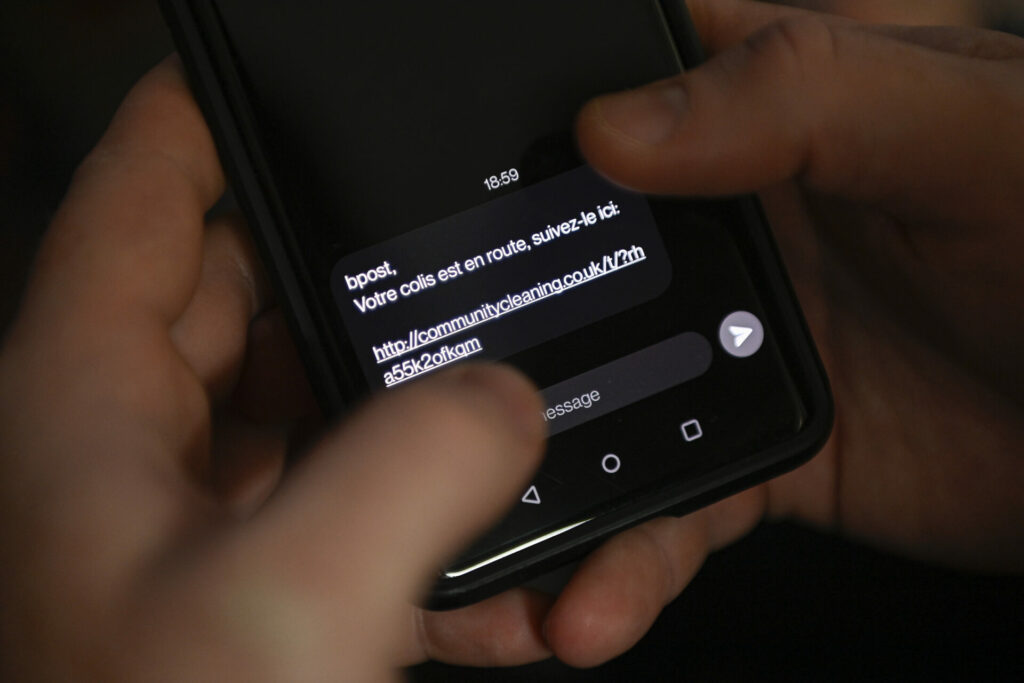
Belgian Banks must immediately reimburse victims of phishing scams for their financial losses, according to a recent ruling by an Antwerp court that could have significant implications for fraud cases across the country.
The decision, first reported by Het Laatste Nieuws, concerns an elderly couple who lost nearly €50,000 after transferring money to a fraudster posing as a bank employee in Portugal.
Banks have traditionally refused to reimburse customers in such cases, arguing that customers who voluntarily transfer funds to scammers have committed "gross negligence" and are therefore liable for the losses.
However, the Antwerp court ruled that European case law requires financial institutions to reimburse victims first. If a bank believes the customer acted with gross negligence, it must then initiate separate legal proceedings to recover the funds.
The ruling effectively reverses the usual burden in phishing disputes, according to banking and fraud specialist Geert Lenssens.
"This is an important decision because the roles are reversed," Lenssens told Het Laatste Nieuws. "The bank must pay first and can subsequently go to court itself to challenge the reimbursement."
Although Lenssens was not involved in the case, he described the decision as a "groundbreaking" precedent that could strengthen the position of phishing victims seeking compensation.
The ruling comes as phishing and online banking fraud continue to affect thousands of consumers across Belgium each year, with criminals increasingly impersonating banks, government agencies and other trusted organisations to persuade victims to transfer money.
